By transmission
Readings the commentary discusses
Commentaries that discuss a reading of each transmission, of 334. One commentary can discuss several.
Commentary on variant readings: what a different reading does to the meaning, who read it, and where it is recorded. Each verse is shown in the Ḥafṣ text, unchanged.
Commentaries that discuss a reading of each transmission, of 334. One commentary can discuss several.
Of 334 commentaries.
Various readings of this verse present two issues:
Disagreement about the reading of the word ‘ajab (“wonder”) concerns the diacritical mark the word should have as an ending. The ending mark affects the meaning and interpretation of the word.
Majority reading is ‘ajaban (“a wonder”), meaning, “Was our inspiration a wonder”?
Ibn Mas‘ūd and Ibn ‘Abbās read ‘ajabun (“have wonder”), meaning “Did the people have wonder….”
Question: Was the inspiration a wonder, or did the people have wonder?
هناك اختلاف في قراءة «عجب» ما بين النصب والرفع يؤدي إلى اختلاف المعنى والتفسير:
قراءة الجماعة <عَجَبًا>، بالنصب على أن الكلمة خبر «كان»، وتقديرها: أَكَانَ وَحْيُنَا عَجَبًا.
وقرأ ابن مسعود وابن عباس: «عَجَبٌ» بالرفع، على أنه اسم «كان»، وما سبقه خبر.
Reading differences—“sorcery” or “sorcerer”—affect meaning and context.
Current Arabic Qur’ān reads Inna hadhā la-sāḥirun (“Verily, this is an obvious sorcerer”), with inna (“verily”) for emphasis.
Al-A‘mash read Mā hadhā illā sāḥirun, which captures the Quraysh’s exclusionary dismissal: “This [one] is not but a sorcerer.”8
Nāfi‘ and others read Inna hadhā la-siḥrun (“Verily, this is an obvious sorcery”).
’Ubayy Ibn Ka‘b read Mā hadhā illā siḥrun (“This is not but an obvious sorcery). His reading corresponds exactly to the verse’s script in his codex (muṣḥaf).
The readings of the current Arabic Qur’ān and al-A‘mash indicate that the message deliverer is a sorcerer. This description may be due to the similarity in the way Muḥammad received his “revelations” and the way sorcerers and diviners of his time received their predictions: The recipient of these supernatural messages falls into a trance or trance-like state accompanied by profuse sweating and talks in a particular style known as saja‘ al-kuhhān (“the rhyme of the diviners”). The Quraysh, Muḥammad’s tribesmen, accused Muḥammad of being a diviner as indicated by Q 52.29 (“Wherefore do thou remind them [Quraysh]: for thou art, by the favour of thy Lord, neither a soothsayer nor mad!” ) and that Muḥammad’s recitation of the Qur’ān followed “the pattern of the rhyme of the diviners”.
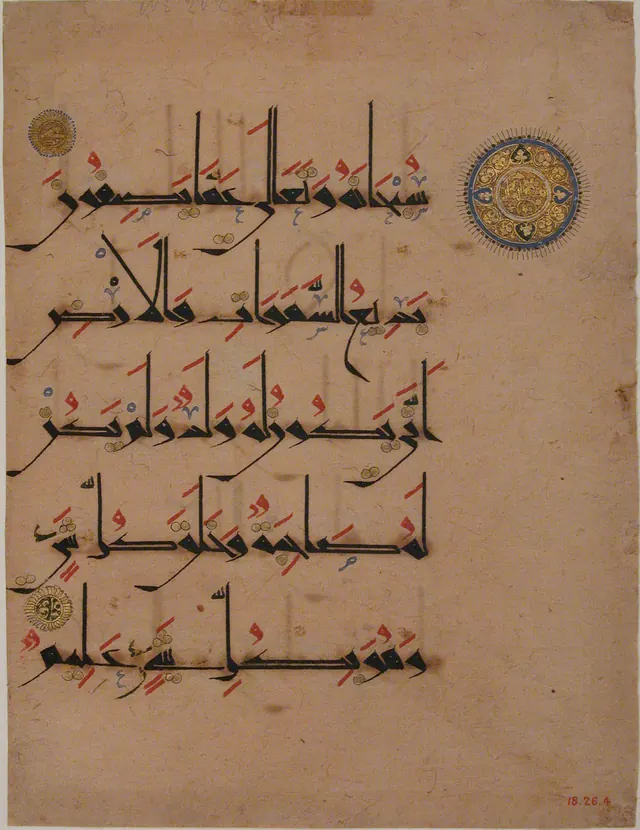
The difference in reading the word as sāḥirun (“sorcerer”) instead of sihrun (“sorcery”) can be attributed to an absent letter, the alif al-madd (middle alif), which, if present, changes the form of this word from an act (“sorcery”) to a person (“sorcerer”). While the middle alif appears in the text of today’s Qur’ān, this letter rarely appears in the early Qur’ānic manuscripts. In addition, these early Qur’ānic manuscripts lacked both dotting and diacritical marks, which might have helped to determine the originally intended word.
Question: Given the missing dotting, diacritical marks, and certain letters in the early Qur’ānic manuscripts, did this situation provide the early readers with a wide latitude in choosing expressions or synonyms that agreed with their literary and intellectual tastes and their personal comprehension of the Qur’ān’s text?
<إن هذا لساحر>
القراءة الشائعة: <إن هذا لساحر>، بصيغة التوكيد.
وقرأ الأعمش: «مَا هَذاَ إِلاَّ سَاحِرٌ»، حيث تعني هذه القراءة أن قريشاً قالت أن محمدًا ما هو إلا ساحر فحسب، باستخدام أسلوب القصر.
وقرأها نافع وآخرون: «إِنَّ هَذَا لَسِحْرٌ»، باستخدام قراءة مختلفة المعنى والمدلول.
وقرأ أُبي بن كعب: «مَا هَذَا إلاَّ سِحْرٌ»، وهي كذلك في مصحفه.
القراءة الشائعة وقراءة الأعمش تشيران إلى أن صاحب الرسالة ساحرٌ، ربما لأن طريقة تلقي محمد «الوحي» تشبه تمامًا طريقة تلقي السحرة والكهان التنبؤات؛ من الدخول في غيبوبة، أو شبه غيبوبة وتعرق، والنطق بأسلوب خاص في الكلام يسمى بسجع الكهان. وقد اتهمت قريش محمدًا بأنه «كاهن»، كما تشير آية الطور 52: 29، «وبأنه يقول القرآن على نمط سجع الكهان». أما الفرق بين قراءة «ساحر» وقراءة «سحر» هو نتيجة أن رسم المصاحف الأولى لا يظهر ألف المد إلا نادرًا في معظم الكلمات التي بها مدّ في وسط الكلمة، وأيضًا خلوها من التنقيط والتشكيل.
وهنا نتساءل: هل كان للقراء الأوائل كامل الحرية في اختيار التعبير أو المرادف الذي يتماشى مع ذوقهم الأدبي والفكري ومفهومهم الشخصي للآية؟
Reading differences—“sorcery” or “sorcerer”—affect meaning and context.
Current Arabic Qur’ān reads Inna hadhā la-sāḥirun (“Verily, this is an obvious sorcerer”), with inna (“verily”) for emphasis.
Al-A‘mash read Mā hadhā illā sāḥirun, which captures the Quraysh’s exclusionary dismissal: “This [one] is not but a sorcerer.”8
Nāfi‘ and others read Inna hadhā la-siḥrun (“Verily, this is an obvious sorcery”).9
’Ubayy Ibn Ka‘bN1 read Mā hadhā illā siḥrun (“This is not but an obvious sorcery).10 His reading corresponds exactly to the verse’s script in his codexD1 (muṣḥaf).
The readings of the current Arabic Qur’ān and al-A‘mash indicate that the message deliverer is a sorcerer. This description may be due to the similarity in the way Muḥammad received his “revelations” and the way sorcerers and diviners of his time received their predictions: The recipient of these supernatural messages falls into a trance or trance-like state accompanied by profuse sweating and talks in a particular style known as saja‘ al-kuhhān (“the rhyme of the diviners”). The QurayshD1, Muḥammad’s tribesmen, accused Muḥammad of being a diviner as indicated by Q 52.29 (“Wherefore do thou remind them [Quraysh]: for thou art, by the favour of thy Lord, neither a soothsayer nor mad!” ) and that Muḥammad’s recitation of the Qur’ān followed “the pattern of the rhyme of the diviners.”11
The difference in reading the word as sāḥirun (“sorcerer”) instead of sihrun (“sorcery”) can be attributed to an absent letter, the alif al-madd (middle alif), which, if present, changes the form of this word from an act (“sorcery”) to a person (“sorcerer”). While the middle alif appears in the text of today’s Qur’ān, this letter rarely appears in the early Qur’ānic manuscripts. In addition, these early Qur’ānic manuscripts lacked both dotting and diacritical marks,12 which might have helped to determine the originally intended word.
Question: Given the missing dotting, diacritical marks, and certain letters in the early Qur’ānic manuscripts, did this situation provide the early readers with a wide latitude in choosing expressions or synonyms that agreed with their literary and intellectual tastes and their personal comprehension of the Qur’ān’s text?
<إن هذا لساحر>
القراءة الشائعة: <إن هذا لساحر>، بصيغة التوكيد.
وقرأ الأعمش: «مَا هَذاَ إِلاَّ سَاحِرٌ»، حيث تعني هذه القراءة أن قريشاً قالت أن محمدًا ما هو إلا ساحر فحسب، باستخدام أسلوب القصر.
وقرأها نافع وآخرون: «إِنَّ هَذَا لَسِحْرٌ»، باستخدام قراءة مختلفة المعنى والمدلول.
وقرأ أُبي بن كعب: «مَا هَذَا إلاَّ سِحْرٌ»، وهي كذلك في مصحفه.
القراءة الشائعة وقراءة الأعمش تشيران إلى أن صاحب الرسالة ساحرٌ، ربما لأن طريقة تلقي محمد «الوحي» تشبه تمامًا طريقة تلقي السحرة والكهان التنبؤات؛ من الدخول في غيبوبة، أو شبه غيبوبة وتعرق، والنطق بأسلوب خاص في الكلام يسمى بسجع الكهان. وقد اتهمت قريش محمدًا بأنه «كاهن»، كما تشير آية الطور 52: 29، «وبأنه يقول القرآن على نمط سجع الكهان». أما الفرق بين قراءة «ساحر» وقراءة «سحر» هو نتيجة أن رسم المصاحف الأولى لا يظهر ألف المد إلا نادرًا في معظم الكلمات التي بها مدّ في وسط الكلمة، وأيضًا خلوها من التنقيط والتشكيل.
وهنا نتساءل: هل كان للقراء الأوائل كامل الحرية في اختيار التعبير أو المرادف الذي يتماشى مع ذوقهم الأدبي والفكري ومفهومهم الشخصي للآية؟
Among the various readings, differences in word choice affect meaning:
Majority reading for the word translated as “brightness” by Palmer is ḍīā’an (“lights”), read with the consonant ي (/j/ or the “y” sound in “yes”) before the alif ا (/a:/ “a” sound in “part”).
‘Abd Allah Ibn Kathīr, Qunbul, and others read it as ḍi’ā’an with two hamzas (/ء/): one before the alif ا instead of the consonant ي and one after the alif. (Note: The apostrophes indicate the hamzas.) Ibn Manzūr rejects this strange variant reading in his concordance Lisān al-‘Arab, indicating that ḍīā’ does not have a second hamza in place of the consonant .
Tayyar Altıkulaç, Turkish scholar of Arabic paleography and calligraphy who prepared and edited the ancient Topkapi manuscript, states that this “Muṣḥaf does not include a hamza (ء) anywhere.” His statement is applicable to all the ancient codices (maṣāḥif ) and manuscripts. He adds that “[a]pparently, the Topkapi Muṣḥaf was copied much before the differences among the authentic readings became systematic and the readings of the famous imāms of reading became widespread....” Altıkulaç’s view is supported by historical fact, as the hamza and its insertion in Arabic text came later, specifically in the age of al-Khalīl Ibn Aḥmad al-Farāhīdī (AD 718-788). Even today, the Arabic colloquial dialects continue to hold onto the original pronunciation of the word ḍīā without a hamza. (See the table “Comparison between Two Classical Arabic Readings'' in the article “Variant Readings of the Qur’ān: Study Update,” page <?>.)
Altıkulaç submits a few sample words that include hamzas today but appear without hamzas in the manuscript. These early manuscript words are also missing the required connecting vertical stroke to accommodate a hamza and clearly distinguish the letter tā’, for example, from the hamza: (nonstandard); (standard). This stroke omission occurs many times in the ‘Uthmānic codices. (See the table “Sample of Words Changed over Time” in the article “Variant Readings of the Qur’ān: Study Update,” page <?>.)
Based on this explanation, both readings (ḍīā’an and ḍi’ā’an) occurred after the penning of the unmarked Topkapi manuscript. The original would have to be ḍīān without any hamzas.
قراءة الجماعة <ضِيَاءً> بياء قبل الألف.
وقرأها ابن كثير وقنبل وآخرون: ««ضِئَاءً» بهمزتين، الأولى قبل الألف بدل الياء»، والثانية بعد الألف، وهي قراءة غريبة أنكرها ابن منظور في معجم «لسان العرب»، حيث قال: «وأما الضياء، فلا همز في يائه».
يقول آلتى قولاج عن مخطوطة طوب قابي : «ليس هناك مكان للهمزات في أي موضع من المصحف»، وهذا ما ينطبق على كل المصاحف والمخطوطات القديمة. وأوضح قولاج شيئًا هامًا قائلا: «والواضح أن مصحف طوب قابى قد جرى استنساخه قبل زمن طويل يسبق تحويل الفروق الموجودة في القراءات الصحيحة إلى نظام معروف»، ونحن نشاطره الرأي فيما يخص رسم الهمزة الذي جاء متأخرًا وبالضبط في عهد الفراهيدي. ولازالت اللهجات العربية تحتفظ بالنطق الأصلي للكلمة «ضيا» دون همز، وقد قدم الدكتور آلتي قولاج بعض الأمثلة، فالكلمات: ««الرءيا، نساءنا، يستنبئونك، مستهزؤن» وردت على شكل «الريا، نسانا، يستنبونك، مستهزون»». وعلى هذا تكون القراءتان غير أصليتين وإنما كان من المفترض أن تكون القراءة بدون تهميز «ضِيًا».
Among the various readings, differences in verb choice strongly affect meaning:
Majority reading is wa-lā ’ādrākum (“nor taught you”), which is more properly translated by others as “nor would He have made it known to you” (Yusuf Ali trans.). The expression ’ādrākum means “to become familiar with something or know it”.
Al-Ḥasan al-Baṣrī read wa-lā ’ādra’ākum (“He has pushed it from you”), which uses the verb dar’ (“to push away”).
Al-Shanabūdhī read la’āndhartukum (“I would have warned you”), which uses the verb ’āndhara (“to warn”).
In the ‘Uthmānic codex, the expression appears as adrīkum (ادرٮكم) with ي or yā (/i:/ “ee” sound as in “see”). The majority reading differs, with the ي (yā) now ا (alif). Later, al-Ḥasan al-Baṣrī read the alif with a hamza (أ), without keeping in mind that the alif was a yā in the codex.
The reading of al-Shanabūdhī, however, agrees with the context of the verse that Muḥammad is a warner. All these changes create doubt that the readers knew the original reading of the Qur’ānic text
قراءة الجماعة: <وَلَا أَدْرَاكُمْ>، من دَرَى الشيءَ أي عَلِمَهُ.
وقرأ الحسن البصري: «وَلَا أَدْرَأَكُمْ»، من الدَّرْءِ، وهو الدَّفْعُ.
أما الشنبوذي فقد قرأها: «لَأَنْذَرْتُكُم»، من الإنذار.
الكلمة في رسم المصحف <>، فأبدلت قراءة الجماعة الياء بالألف، ثم قرأ الحسن البصري هذه الألف بالهمز، دون مراعاة لوجود الياء برسم المصحف. أما قراءة الشنبوذي فهي توافق سياق الآية بأن محمدًا نذير، مما يثير الشك حول معرفة القرّاء أصل قراءة النص القرآني.
Among the various readings, differences regarding the speaker’s identity affect meaning:
Current Arabic Qur’ān reads quli Allahu ’āsra‘u makrān ’inna rusulanā (“Say, ‘God is quicker at stratagem.’ Verily, our messengers …”).
Codex of ’Ubayy Ibn Ka‘b reads Ya ’āyuhā al-nās ’inna Allaha ’āsra‘u makrān wa ’inna rusulahu ladaykum (“O ye folk, indeed Allah is quicker at stratagem, and verily, his messengers are with you…”).
The current Arabic Qur’ān has a command from the author of the Qur’ān addressing Muḥammad and saying, “‘God is quicker at stratagem. However, the codex of ’Ubayy Ibn Ka‘b informs that Muḥammad is the one stating that “Allah is quicker at strategem.” This variance leads to a difference in meaning, unless there is a time difference between the two readings. Perhaps, the current Arabic Qur’ān reading came first, where the author of the Qur’ān states, “Say, ‘God is quicker at stratagem.’ Verily, our messengers write down....” Then, in the codex of ’Ubayy Ibn Ka‘b, Muḥammad carries out the command by addressing those around him, saying, “O ye folk, indeed Allah is quicker at stratagem and verily, his messengers are with you, writing down….” In this scenario, ’Ubayy would not have heard the discussion between “Jibrīl” and Muḥammad but heard instead Muḥammad when he said, “…O ye folk…” and “…his messengers are with you….” So, ’Ubayy wrote these words down in his codex, considering Muḥammad’s words here as revelation. This variation does not mean that ’Ubayy Ibn Ka‘b misunderstood Muḥammad; according to Q 53.3-4, he considered what Muḥammad uttered when reciting the Qur’ān as revelation. Thus, the codex of ’Ubayy Ibn Ka‘b is more acceptable by using the same syntax in this verse as the following verse (Q 10.23), which uses “O ye folk,” suggesting that his rendering is the better reading.
القراءة الشائعة للقرآن: <قُلِ اللهُ أَسْرَعُ مَكْرًا إِنَّ رُسُلَنَا>.
وجاء في مصحف أُبيّ بن كعب: «يا أيها الناس إن اللهَ أَسْرَعُ مَكْرًا وَإِنَّ رُسُلَهُ لَدَيْكُم».
في القراءة الشائعة أمر من صاحب القرآن لمحمد بالقول <اللهُّ أَسْرَعُ مَكْرًا>، أما مصحف أبيّ بن كعب فيخبرنا أن محمدًا هو الذي أخبر الناس بأن<اللهُّ أَسْرَعُ مَكْرًا>، وهذا اختلاف في المعنى إلا إذا كان هناك فرق زمني بين القراءتين، حيث تأتي القراءة الشائعة أولًا، فيقول صاحب القرآن: <قُلِ اللهُّ أَسْرَعُ مَكْرًا إِنَّ رُسُلَنَا يَكْتُبُونَ مَا تَمْكُرُونَ>، ثم يأتي مصحف أبيّ بن كعب فينفذ محمد الأمر بمخاطبِة مَنْ حوله فيقول: «يا أيها الناس إن اللهَّ أَسْرَعُ مَكْرًا وَإِنَّ رُسُلَهُ لَدَيْكُم يَكْتُبُونَ» وفي هذه الحالة، من المفترض أن أُبيّ بن كعب لم يسمع حديث «جبريل» لمحمد وإنما سمع محمدًا يقول: «...يا أيها الناس...» و«...رُسُلَهُ لَدَيْكُم...» فدونها في مصحفه على أساس أن كل ما قاله محمد في هذه الآية هو وحيٌ، وهذا لا يعني أن أُبي بن كعب قد أساء فهم محمد، بدليل ما ورد في (النجم 53: 3-4) الذي يفيد أن كل ما نطق به محمد عند تلاوته للقرآن هو وحيٌ. ونرى أن ما جاء في مصحف أُبي بن كعب هو الأرجح لوجود نفس الخطاب «...يا أيها الناس...» في الآية 23.
Various readings of this verse present two issues:
Current Arabic Qur’ān reads yusayyrukum (“who makes you travel”).
Al-Ḥasan al-Baṣrī, Zayd Ibn Thābit, Abū Ja‘far, Ibn Mas‘ūd, and others read yunshirukum, derived from the verb anshara, and means “to revive or bring to life”. The expression is also written with ش (/∫/ or “sh” sound in “she”) instead of س (/s/ or the “s” sound in “see”) in the codices of the Sham region (ancient Syria).
Some readers from the Sham region read yunashshirukum (“to revive or bring to life”), doubling the ش for emphasis. Such doubling in Arabic indicates increasing, augmenting, or heightening the act.
What is the most plausible explanation regarding this transition from yunshirukum to yusayyrukum? Because the early codices did not have dotting to help distinguish the letters, most likely spellings (and thus meanings) of words were changed when later scribes added incorrect dotting.
In this instance, in order to identify the consonant s ( س ) easily, it should be written with its successive vertical strokes going from right to left, large to small: . Perhaps the scribe neglected to mark the different sizes of the strokes for the two letters, s and n, and wrote down all the strokes of the consonant s (س) the same as that one stroke of the consonant n (ن). This error thus made it harder for readers to distinguish between the consonants and their order. The scribe may have gotten confused later in specifying the place of the strokes, so he put the stroke of the consonant n after the consonant s:
The original unmarked word does not adequately show the necessary stroke length and dotting to clearly represent its spelling and meaning, which led to variations of its spelling (and meaning) in subsequent manuscripts, as shown in the following table:
15v
(Al-Mashhad al-Ḥussaynī, Cairo)
351v
46r
1542263b
142r
130r
The word yanshurakum exists in the copies of the Qur’ān of the Levant, confirmed by the ancient manuscripts of the Qur’ān, such as the Paris (Arabe 328a) and British (Or. 2165) manuscripts. These manuscripts are written in the Ḥijāzī script, which is older than the Kūfī script.
Al-Sijistānī, Muslim scholar and compiler of Hadith literature, reports that al-Hajjāj Ibn Yūsuf al-Thaqafī (Muslim governor of Iraq, seventh century AD) changed “yunashshirukum to yusayīrukum” to possibly remove confusing parts and improve the Qur’ān’s readability. (See inset text “Human Tampering of the Qur’ān?” “Human Tampering of the Qur’ān: Cross Accusations'' on page <?>.) Although the Cairo manuscript (al-Mashhad al-Husayni) uses the word yusayirukum (which agrees with the view that al-Ḥajjāj did change this word), surprisingly the word yanshurakum exists in the Topkapi manuscript and in one of the Ṣan‘ā’ manuscripts, which are newer than the Cairo manuscript. This evidence challenges the supposition that al-Ḥajjāj Ibn Yūsuf al-Thaqafī is the one who has miswritten this word in the Qur’ān.
Questions: (1) What accounts for the word variations of in the later Qur’ānic manuscripts—accidental changes by scribes unable to correctly decipher the unmarked word or deliberate editing by Muslim leaders trying to improve the grammar and clarity of the text (or both)?
(2) Is this situation unique to this verse or did other unmarked words in other parts of the Qur’ān create similar problems in the readings and subsequent manuscripts? (3) What do these variations and possibly deliberate changes mean regarding the alleged inerrancy of the Qur’ān?
Majority reading uses the singular pronoun jā’at-hā as in “there comes to her,” with the pronoun “her” referring to the ship, which takes the feminine gender in Arabic.
Ibn Abī ‘Abla read jā’at-hum or “there comes to them” (Palmer trans.). The pronoun “them” refers to the people of the ship.
<يُسَيِّرُكُمْ>
القراءة الشائعة للقرآن: <يُسَيِّرُكُمْ>.
وقرأ الحسن وزيد بن ثابت وأبو جعفر وابن مسعود وآخرون: «يُنْشِرُكُمْ» من «أَنْشَرَ» أي: أحيا. وهي كذلك بالشين في مصاحف أهل الشام.
وقد قرأ بعض الشاميين: ««يُنَشِّرُكُمْ» بتشديد الشين، وهو للتكثير».
تصور عن كيفية تحول «ينشركم» إلى «يسيركم»
: بناءً على ما صرح به السجستاني، فنبرة النون في الكلمة كانت تسبق السين (). وكما هو معروف فالمصاحف الأولى لم تكن منقطة.
(): من المفترض أن يرسم حرف السين بتدرج في أسنانه، نزولاً من الكبير إلى الصغير ()، بحيث يسهل تحديد حرف السين. ولكن يبدو أن كاتب المصحف لم يُراع تدرج حرف السين، فساوى بين كل النبرات ()، بحيث بات يصعب التمييز بين الأحرف وترتيبها.
(): وفيما بعد التبس على النساخ تحديد موضع النبرة، فوضعوها بعد السين (). ويخبرنا السجستاني، في باب «ما غيّر الحجاج في مصحف عثمان»، أن من بين ما غيره: «هو الذي يُنَشِّرُكُمْ ، فغيرّه يُسَيِّرُكُمْ».
وهو ما يتبين من مخطوطات القرآن القديمة، حيث اختلفت فيما بينها بالنسبة لهذه الكلمة كما يتضح في الجدول التالي:
15 v
351v
46r
142r
130r
ليس هناك شك في وجود كلمة ينشركم في مصاحف أهل الشام، وهو ما تؤكده المخطوطات القديمة للقرآن، كمخطوطة باريس والبريطانية، كما يتضح من الجدول أعلاه، ولاسيما كونها كتبت بالخط الحجازي الذي هو أقدم من الخط الكوفي. وبالرغم من أن مصحف المشهد الحسيني جاء بكلمة يسيركم متماشيًا مع الرأي القائل بتغيير الحجاج لهذه الكلمة، إلا أن ما يدعو للاستغراب هو وجود كلمة ينشركم في مصحف طوب قابي، وإحدى مخطوطات صنعاء، الذي هو أحدث من مصحف المشهد الحسيني، مما يشكك في مقولة أن الحجاج ابن يوسف الثقفي هو من قام بتحريف هذه الكلمة في القرآن.
ونتساءل:
ما الذي يفسّرُ وجودَ قراءات مختلفة للكلمةِ غيرِ المنقطةِ () في المخطوطاتِ القرآنيةِ اللاحقةِ؟ هل كانت تلك تغييراتٍ غيرَ مقصودةٍ أجراها النسّاخُ الذين عجزوا عن فهم تلك الكلمةِ غيرِ المنقطةِ بنجاحٍ، أم كانت تنقيحًا متعمدًا قامَ به قادةٌ مسلمون في محاولاتِهم في إجراءِ تحسيناتِ اللغةِ على اللغة وتحسين النصِّ (أم كليهما)؟
هل هذه الحالةُ مقصورةٌ على هذه الآيةِ، أم أن هنالك كلماتٍ أخرى في مواضعَ أخرى من القرآنِ تخلقُ مشكلاتٍ مشابهةً في القراءاتِ والمخطوطاتِ اللاحقةِ؟
ماذا تعني هذه الاختلافات والتغييراتُ المتعمَّدةُ المحتملةُ في ما يتعلقُ بعصمةِ القرآنِ المزعومةِ؟
<جَاءتْهَا>
قراءة الجماعة: <جَاءتْهَا> بصيغة المفرد والضمير يعود على الْفُلْكِ.
وقرأ ابن أبي عبلة: «جَاءتْهم» على الجمع، والضمير يعود على أصحاب الْفُلْكِ.
Among the various readings, differences in word choice affect meaning:
Current Arabic Qur’ān reads tablū(ā) (“prove what it has sent on before”). The final (ā), however, is not voiced.
‘Abd Allah Ibn Kathīr, Nāfi‘, and others read the expression as tablū, with the meaning translated as “experience that which it did aforetime” (Pickthall trans.).
‘Āṣim Ibn Abī al-Nujūd is narrated to have read it with the consonant n (majesty plural pronoun, or royal “we” for glorification) as nablū instead of tablū, meaning “we make it experience” instead of “it experiences”.
Ḥamza, al-Kisā’ī, and others read tatlū(ā), with two t’s. The word tatlū means “to recite or read”.
Even if the change from tablū(ā) to nablū in the readings was a mistake, it does not affect the unmarked original expression’s script. However, the eventual different dotting between tablū(ā) and tatlū(ā) have led to different meanings and interpretations. These kinds of problems indicate that the entire Qur’ān was not preserved in the hearts (memorized) and then transcribed but transcribed on manuscripts without dots and accents and then memorized based on the readers’ understanding.
Although the verb tablū is singular, the ‘Uthmānic codex shows an alif after the wāw in this word, or (tablū(ā)). According to linguistic, grammatical rules of the written Arabic language, it is incorrect to add the alif in this case.
This problem is repeated several times in the scripting of the muṣḥaf, where similarly formed words are written with the alif after the wāw in the Arabic Qur’ān:
yarbū(ā)
yatlū(ā)
yamḥū(ā)
yad‘ū(ā)
Q 2.221; Q 10.25; Q 22.12-13; Q 35.6; Q 39.8; Q 46.5; Q 84.11
ānad‘ū(ā)
ād‘ū(ā)
ta‘fū(ā)
ya‘fū(ā)
Apparently, the ‘Uthmānic codex does not follow the general standard grammatical rules of the Arabic language, resulting in a disordered, messy, and difficult linguistic source to use as the “superior” model. Those who would protest against this assessment that the Qur’ān is not an eloquent, rhetorical “miracle”—because Arabic grammatical rules were not established and applied until after the codification of the muṣḥaf—make an inexplicable argument. Why would Allah communicate to Muḥammad in a language with a written form so primitive and imprecise that later grammarians and linguists needed to develop a system of dots, diacritical marks, and hamzas, along with rules of spelling and grammar, to standardize it for more universal understanding?
القراءة الشائعة للقرآن: <تَبلُواْ>.
قرأ ابن كثير ونافع وغيرهما: «تَبْلُو» بمعنى تختبر ما قدّمت النفس من عمل.
وقد روي عن عاصم أنه قرأها: «نَبْلُو» بنون التعظيم.
أما حمزة والكسائي وآخرون فقرأوها: «تَتْلُوا» بتائين، بمعنى التلاوة والقراءة.
يمكن القبول باختلاف صيغة القراءات سهوًا بين «تَبْلُوا» و«نَبْلُو»، ما دام أن أصل الكلمة في رسم المصحف لم يتغير. والقراءة بتغيير معنى الكلمة من «تَبْلُوا» إلى «تَتْلُوا»، تبين أن هذا التغيير كان نتيجة لاختلاف تنقيط الكلمة، مما يؤكد أن القرآن لم يكن (قبل التنقيط والتشكيل) محفوظَا في الصُّدورِ، وإنما مخطوطًا على السطورِ.
ويلاحظ وجود ألفٌ بعد الواو في الرسم العثماني رغم أن الفعل في صيغة الإفراد. وبحسب قواعد اللغة، فمن الخطأ وضع الألف في هذه الحالة. إلا أن هذه الظاهرة تكررت عدة مرات في رسم المصحف، بحسب المخطوطات القديمة للقرآن، كما نرى من الجدول التالي:
نماذج إشكالية الألف الزائدة والناقصة في المخطوطات القديمة للقرآن
Q 2.221; Q 10.25; Q 22.12-13; Q 35.6; Q 39.8; Q 46.5; Q 84.11
نماذج إشكالية الألف الزائدة بعد الواو في المخطوطات القديمة للقرآن
ولمحاولة تبرير هذه الاستثناءات، ذهب الداني إلى القول إن المصاحف اتّفقت على حذف الألف بعد واو الجماعة في أصلين: <جاءو> و<باءو>. إلا أن واقع المخطوطات لا يتفق مع هذا الطرح. فعلى سبيل المثال، وردت كلمة <جاءوا> في مصحف القاهرة بألف بعد الواو . ويلاحظ أيضًا أن كلمة <سعوا> وردت بالألف في إحدى مخطوطات صنعاء، كما جاءت بالألف في مصحف طوب قابي أيضًا، وكذلك وردت كلمة <سعوا> في آية (الحج ٢٢: ٥١) بالألف في العديد من المخطوطات.
ومن الواضح أن الرسم العثماني لا يخضع لقواعد اللغة العربية الصحيحة المتفق عليها، وبالتالي جاء متمردًا فوضويًا لايمكن البناء عليه. وإذا احتج أحدهم بالقول إن قواعد اللغة قد تبلورت بعد تدوين المصحف، فإن هذا الاحتجاج يبدو مستغربًا، لما يؤمن به سائر المسلمين بأن هذا القرآن نزل كدرة التاج في عصر الفصاحة والبلاغة، بل كان «معجزة» لغوية. لكن علماء اللغة اللاحقين قاموا بإجراء تحسينات عديدة عليه مثل التنقيط، والتشكيل، وقواعد الإملاء!
ونتساءل: لماذا اختار الوحي الإسلامي لغة غير ناضجة في إبلاغ رسالته «للعالمين»؟
Among the various readings, differences in the singularity or plurality of a pronoun affect meaning:
Current Arabic Qur’ān reads kalimatu (“word”), a singular noun.
Nāfi‘ and others read kalimātu (“words”), a plural noun.
According to contemporary grammarian, writer, and academic al-Khaṭīb, those who read the word in the singular differed on whether the ending consonant should be an h (ه) or a t (ت). One group read it with an h according to the Quraysh (Meccan) dialect. Another group read it with the regular t (ت) according to the Ṭaī’ dialect. The latter agrees with the ‘Uthmānic codex.
Al-Khaṭīb claims that the Ṭaī’ transcription is the proper way to say kalimat, meaning the use of the consonant t (ت). If that rendering is correct, why then does the Qur’ān use h (ه) for kalimat in Q 11.119? Was there a mix-up between the dialects of Ṭaī’ and Quraysh (Mecca) in the original revelation?
What al-Khaṭīb seems to overlook is that the ‘Uthmānic codices of the Qur’ān do not distinguish between the h (ه) and the t (ت) as seen in the word kalimat, which is written as كلمت in Q 10.33 and كلمة in Q 11.119. The same is true of the word shajarat (“tree”), which appears as شجرة in Q 37.62 and شجرت in Q 44.43. Al-Ṭabarī and other scholars try to excuse this issue by suggesting that it is permissible to use either letter in the grammatical idafa structure. However, this “rule” is not always followed. For example, the word bayinat contradicts this “rule.” (See the comment on Q 35.40)
القراءة الشائعة للقرآن: <كَلِمَتُ>، بالإفراد.
قرأها نافع وبعض القراء: «كَلِمَاتُ» بالجمع.
ذكر الخطيب أن من قرأ بالإفراد هم في الوقف فريقان: فريق قرأها بالهاء كَلِمَهْ، «لغة قريش»، والفريق الثاني قرأها بالتاء المبسوطة أو المفتوحة <كَلِمَتْ>، «موافقة لصريح الرسم، وهي لغة طيء».
إذا كانت كتابة «كَلِمَتْ» على هذه الصورة بلغة طيء كما يدعي الخطيب، فما هو رأيه في آية <إِلَّا مَنْ رَحِمَ رَبُّكَ وَلِذَلِكَ خَلَقَهُمْ وَتَمَّتْ كَلِمَةُ رَبِّكَ...> (هود 11: 119)؟ فهل اختلط الأمر على صاحب القرآن بين «لغة» (لهجة) طيء و«لغة» مكة؟ فالرسم العثماني للمصحف لا يفرق بين التاء المربوطة (ة) والتاء المفتوحة أو المبسوطة (ت)، مثل <كَلِمَتُ> و<كَلِمَة> (يونس ١٠: ٣٣، وهود 11 : 119) وكذلك <شَجَرَةُ الزقوم> و<شَجَرَتُ الزقوم> (الصافات 37 :62، و الدخان 44 :43). وقد حاول الطبري تبرير هذا بقوله: «وَمَا كَانَ مُضَافًا فَجَائِزٌ بِالْهَاءِ وَالتَّاءِ». ولكن هذه القاعدة ليست ثابتة، بسبب وجود استثناءات، ككلمة بينة <عَلَى بَيِّنَتٍ مِنْهُ> (فاطر 35 :40) التي يليها جار ومجرور وليس مضاف إليه.
Among the various readings, differences in the choice of the personal pronoun affect meaning:
Majority reading is yaf ‘alūna (“they do”), with the third-person pronoun referring to the idolaters.
Ibn Mas‘ūd read the word using the second-person pronoun or taf ‘alūna (“you do”), meaning the Muslims.
This issue is repeated many times, where different personal pronouns are read by different readers. Another instance can also be found in Q 10.18 where many readings, as well as the current Arabic Qur’ān, use yushrikūna (“They worship beside God”) with a y. Yet, Ḥamza, al-Kisā’ī, and others read the same word as tushrikūna (“You worship beside God”) with a t. (See the comment on Q 4.44)
These differences in the readings are the result of the absence of dots in the early copies of the Qur’ān, which questions the common Muslim belief that the original Qur’ān was preserved in the Muslims’ hearts.
قراءة الجماعة: <يَفْعَلُونَ> بياء الغائب، والمقصود: المشركون.
وقرأها ابن مسعود: «تَفْعَلُونَ» بتاء الخطاب. والمقصود: المسلمون.
وهناك العديدمنالأمثلة على هذا النوع من اختلاف القراءات؛ ولكننا نكتفي بذكر الآية الثامنة عشرة من نفس السورة (يونس 10: 18). فعدد كبير من القرّاء يتلون كلمة <يُشْرِكُونَ> بالياء، إلا أن حمزة والكسائي وخلف والأعمش يتلونها «تَشْرِكُونَ» بالتاء.
جاءت هذه الاختلافات في القراءات نتيجة لغياب التنقيط في المصاحف الأولى للقرآن، مما يشكك في القول بأن القرآن كان محفوظًا في الصدور.
Among the various readings, differences in word choice affect meaning:
Majority reading is aqḍū(a) (“decide”). The root verb is qaḍā and means “completed a task”.
Abū Ḥaywa and Ibn Yan‘um read ’āfḍū(a) (“come up,” “hasten”) with an f and a glottal hamza on the alif. The generalized meaning becomes “highlight your evil to me”.
A third reading is afḍū(a) (“hasten”), without a glottal hamza on the alif. The root verb is faḍā and means “hurry to me.”
Question: Is Noah telling his people to carry out their plan against him, produce their evil plot against him, or execute their plan quickly?
قراءة الجماعة: <ثُمَّ اقْضُوا...> بالقاف وهمزة وصل.
وقرأها أبو حيوة والسدّي: «ثُمَّ أفضُوا...» بالفاء وهمزة قطع، «أي انتهوا إلّيَّ بشركم».
وقُرِئ ««ثُمَّ افضُوا...» بالفاء وهمزة وصل، «من فضا يفضو أي أسرع».
فالمعنى الأول: «اقْضُوا إِلَيَّ» من «قضى»، أي «امضوا في ما أردتموه».
والمعنى الثـاني: «أفضُوا إِلَيَّ»، «أي انتهوا إليَّ بشرِكم».
والمعنى الثـالث: «افضُوا إِلَيَّ» بمعنى أسرعوا إليَّ.
ونتساءل: هل كان المقصود مُضي قوم نوح فيما أرادوه؟ أم إنتهاؤهم إلى نوح؟ أم إسراعهم إليه؟
Among the various readings, differences in word choice affect meaning:
Majority reading is aqḍū(a) (“decide”). The root verb is qaḍā and means “completed a task”.
Abū Ḥaywa and Ibn Yan‘um read ’āfḍū(a) (“come up,” “hasten”) with an f and a glottal hamza on the alif. The generalized meaning becomes “highlight your evil to me”.
A third reading is afḍū(a) (“hasten”), without a glottal hamza on the alif. The root verb is faḍā and means “hurry to me.”
Question: Is Noah telling his people to carry out their plan against him, produce their evil plot against him, or execute their plan quickly?
القراءة الشائعة للقرآن <لَسِحْرٌ> بدون ألف بعد السين، خلافًا للآية الثانية من هذه السورة. وقرأ مجاهد وابن مسعود وآخرون «لَسَاحِرٌ» بالألف.
Among the various readings, the use of synonyms for common, familiar Arabic words presents text inconsistencies:
Majority reading is ji’tum (“ye have brought”).
’Ubayy Ibn Ka‘b read ’ātaytum (“ye have brought”), a synonym.
The word ji’tum is understood by everyone who speaks Arabic and needs neither explanation nor a synonym to be comprehended. The presence of the reading with the synonym ataytum raises the question regarding the possibility of the existence of a non-Arabic original text from which some of the Qur’ān’s texts were translated.
قراءة الجماعة: <مَا جِئْتُمْ بِهِ>.
و قرأها أُبيّ بن كعب: «مَا أَتَيْتُمْ بِهِ».
وجود قراءة «أتيتم» التي تحمل نفس معنى «جئتم»، المفهومة لكافة الناطقين باللغة العربية، ولا تحتاج لأي تفسير أو مرادفة، يثير التساؤل حول احتمالية وجود أصل غير عربي تُرجِمت عنه بعض مقاطع القرآن.
Among the various readings, script inconsistencies affect clarity and integrity:
Majority reading is qawmi (“people”) with a kasra ( : قَوْمِ ), a diacritical mark that indicates the vowel sound /i/ (short “i” sound in “sit”).
Ibn Muḥayṣin read qawmu (“people”) with a ḍamma ( : قَوْمُ ), a diacritical mark that indicates the vowel sound /u:/ (“u” sound in “boot”).
In the majority reading, the possessive ي (“my”) is missing in the verse, but the expression according to the Arabic language should be qawmī (“my people”). This expression means that Moses is addressing his people, the Israelites.
The second reading by Ibn Muḥayṣin with the ḍamma ending means that Moses is talking to the Israelites as well as Pharaoh’s people. However, the context of this verse in Q 10 does not mention the magicians believing in the Lord of Aaron and Moses, as it is stated in Q 7.117-122, Q 20.69-73, and Q 26.47-48. Instead, Q 10.83 states, “But none believed in Moses, save a race of his own people”.
Questions: (1) Did the magicians believe in the God of Moses? (2) If so, why don’t the verses of Q 10 mention that the magicians of Pharaoh declared their faith in the God of Moses and Aaron?
قراءة الجمهور: <يَا قَوْمِ>، بكسر الميم.
وقرأ ابن محيصن: «يَا قَوْمُ»، بضمها.
في قراءة الجمهور، ياء النسب محذوفة على التخفيف، وأصلها <يا قومي>؛ بمعنى أن موسى يخاطب قومه، وهم بنو إسرائيل. أما قراءة ابن محيصن <يَا قَوْمُ> بالضم، فتعني أن موسى يخاطب بني إسرائيل مع قوم فرعون. كما أن سياق الآيات في سورة يونس لا يذكر إيمان السحرة كما هو مذكور في (الأعراف 7: 117-122 وطه 20: 69-73 والشعراء 26: 47-48)، بل تخبرنا الآية السابقة أن من آمن لم يكن سوى <ذُرِّيَّةٌ> من بني إسرائيل!
والسؤال مازال مطروحًا: هل آمن السحرة بإله موسى أم لم يؤمنوا؟ ولماذا لم تذكر سورة يونس إعلان سحرة فرعون الإيمان بإله موسى وهارون؟ وهل حدث سهو ما أثناء سرد هذه السورة؟
Among the various readings, differences in word choice affect meaning and context:
Majority reading is bi-badanika (“in thy body”), which uses a singular noun.
Ibn Mas‘ūd and Abū Ḥanīfa read this noun in the plural, or bi-’ābdānika (“in thy bodies”). Al-Khaṭīb states that bi-’ābdānik means bi-durū‘ik, or “with your armors”.
In the majority reading, the word badan is a commonly known word that means “body”. So, how does one explain the phrase “we will save thee in thy body” in this context? Does this phrase “we will save thee in thy body” mean saving Pharaoh’s soul and body, when “we will save thy body” would clearly mean saving his body only? This verse does not state “we will deliver your body,” which implies that Pharaoh was saved, his body unharmed because of his belief in Allah and his declaration of his Islamic faith while he was drowning: “...I believe that there is no God but he on whom the children of Israel believe, and I am one of the Muslims” (Rodwell trans. Q 10.90).
However, Pharaoh’s deliverance from drowning does not reconcile with a different verse in a different sura (Q 73.16): “But Pharaoh rebelled against the apostle, and we seized him with an overpowering punishment.” Explaining Q 73.16, al-Ṭabarī writes that Allah ``took him a mighty taking and made him perish and all those with him”. Al-Ṭabarī adds that “Allah was not content that he [Pharaoh] would [only] drown and suffer but he would be immured in steady suffering until he is resurrected to the hellfire on Yawm al Qiyama [Day of Resurrection]….”
To justify these contradictions among the verses, Muslim exegetes generate various stories ascribed to Ibn ‘Abbās that portray Jibrīl filling Pharaoh’s mouth with mud “lest mercy reaches him”. Al-Rāzī further offers several possible explanations without offering a final solution to the issue. The last of the possibilities he introduces is to read nunaḥḥīka (ننحيك) instead of nunajjīka (ننجيك). This al-Rāzī reading is accomplished when the consonant j ( جـ) is replaced with a similar-looking consonant with no dot, or ḥ ( حـ). By that one letter replacement the meaning changes from “we will save thee” (nunajjīk) to “we will throw you” (nunaḥḥīk). According to al-Rāzī, the meaning would be “‘we will throw you’”…that is to say, in a place beyond the sea. He was cast after drowning to one of the sides of the sea”.
Questions: (1) Was Pharaoh saved from drowning, as plainly stated in Q 10.92: “…we will save thee in thy body…”? Or did he drown, according to Q 73.16: “But Pharaoh rebelled against the apostle, and we seized him with an overpowering punishment”? (2) Does the reading offered by al-Rāzī concerning the expression nunaḥḥīk resolve the contradiction of this verse with Q 73.16? (3) Is it acceptable for Jibrīl to prohibit a transgressor like Pharaoh from repentance by stuffing his mouth with mud, as reported from Ibn ‘Abbās? (4) Why is the text of this Qur’ānic revelation so ambiguous that Islamic scholars cannot resolve its meaning and the commentaries differ on its interpretation?
قراءة الجماعة: <بِبَدَنِكَ>، بالإفراد.
وقرأ أبو حنيفة وابن مسعود: «بِأَبْدَانِكَ» بالجمع، أي «بدروعك».
في قراءة الجماعة، يفيد البدن مدلوله الشائع، أي: الجسم، فكيف نفسر استخدام تعبير <ننجيك ببدنك> في هذا السياق؟ وحيث إنه لم يقل «ننجي بدنك»، فعليه يكون من الوارد أن فرعون قد نجا من الغرق ولم يصب بدنه أي أذى، إذ آمن بالله وأعلن إسلامه أثناء غرقه بحسب الآية (يونس 90:10) <حَتَّى إِذَا أَدْرَكَهُ الْغَرَقُ قَالَ آمَنْتُ أَنَّهُ لَا إِلَهَ إِلَّا الَّذِي آمَنَتْ بِهِ بَنُو إِسْرَائِيلَ وَأَنَا مِنَ الْمُسْلِمِينَ>. إلا أن هناك إشكالية في آية (المزمل 16:73) <فَعَصَى فِرْعَوْنُ الرَّسُولَ فَأَخَذْنَاهُ أَخْذًا وَبِيلاً>، فيورد الطبري في شرح هذه الآية ما يلي: «فأخذناه أخذا شديدا؛ فأهلكناه ومن معه جميعًا»، ويضيف: «ولم يرض الله بأن غُرِّق وعُذّب، حتى أقرّ في عذاب مستقرّ، حتى يُبعث إلى النار يوم القيامة. يريد فرعون». ولتبرير هذا التضارب حاول المفسرون حبك الكثير من القصص عن ابن عباس مفادها أن جبريل أخذ يملأ فم فرعون بالطين «مَخَافَة أَنْ تُدْرِكَهُ الرَّحْمَة». كما طرح الرازي عدة احتمالات مختلفة دون حسم نهائي لها، خاتمًا هذه الاحتمالات بقراءة لكلمة <ننجيك> بالحاء المهملة ««ننحيك»...أي نلقيك بناحية مما يلي البحر، وذلك أنه طرح بعد الغرق بجانب من جوانب البحر».
هل نجا فرعون من الغرق كما هو بظاهر الآية <ننجيك ببدنك> أم غرق ومات بحسب آية المزمل 16:73 <فَعَصَى فِرْعَوْنُ الرَّسُولَ فَأَخَذْنَاهُ أَخْذًا وَبِيلاً>؟
وهل القراءة التي أتى بها الرازي «ننحيك ببدنك» قد حلت إشكالية تضارب <ننجيك ببدنك> مع آية المزمل؟
هل يجوز لجبريل أن يمنع عاصيًا كفرعون عن التوبة بحشو فيه بالطين، كما نُقِل عن ابن عباس؟
وأخيرًا، لماذا يأتي الوحي القرآني بنصٍ غامضٍ تتضارب فيه آراء الفقهاء، وتختلف فيه التفاسير؟
Among the various readings, differences in the singularity or plurality of a noun affect meaning:
Current Arabic Qur’ān reads al-kitāb (“the Book”) in the singular.
Yaḥyā Ibn Wathāb and Ibrāhīm al-Nakha‘īy read al-kutub (“the books”) in the plural.
In the earliest Qur’ānic manuscripts, the script for this word does not show the middle alif ا, which would resolve this ambiguity. Without this middle alif, it is impossible to state conclusively that the word is singular or plural here.
Interchanging the singular and the plural nouns is very common in the readings. The main reason for these fluctuations is that the alif in the middle of the word rarely appears in these earliest manuscripts, which also lack dots and diacritical marks. Since the script (rasm) in the ‘Uthmānic codex does not resolve whether the word is singular or plural in this verse, the confusing dilemma remains. Is the reference about one book: the Torah, or the Psalms, or the Gospel, or another book? Or is it a reference to more than one book, which might mean the Bible with both of its testaments?
القراءة الشائعة: <الْكِتَابَ>، بصيغة المفرد.
وقرأ يحيى بن وثاب وإبراهيم النخعي: «الْكُتُبَ»، بصيغة الجمع.
رسم المصحف <> لا يظهر ألف المد في وسط الكلمة، والتي كانت نادرًا ما تظهر في المصاحف الأولى العارية من التنقيط والتشكيل. الأمر الذي يؤدي إلى الخلط بين الإفراد و الجمع، وهذا الخلط شائع جدًا في القراءات. وبما أن رسم المصحف لا يجزم في هذه الآية بإفراد أو جمع صيغة الكلمة، فالمعضلة تبقى قائمة: هل الإشارة إلى كتاب التوراة أم الزبور أم الإنجيل أم كتاب آخر؟ أم هي إشارة للكتاب المقدس بعهديه القديم والجديد؟
Among the various readings, different spellings for the same word present text inconsistencies:
Majority reading is al-rijsa (“horror”), which is better translated as “detestability”.
Al-A‘mash read it al-rijza with a z instead of an s. Both words have the same meaning.
Within the text of the Qur’ān the same word may be written in two different ways, as shown in this verse, where the letters s ( س ) and z ( ز ) are written interchangeably in the same word. Since al-A‘mash read it with a z here, it seems that the matter was left to the literary taste of the reader. These spelling variances cast doubt upon the literality of the text of the Qur’ān and its inerrancy.
Though this table only shows the spelling variations (al-rijsa and al-rijza) found in the Qur’ān of this particular Arabic word, this problem is not isolated to this one sample. Several words with alternative spellings occur throughout the Qur’ān. Like the American and British spellings of the word civilization and civilisation, respectively, these slight spelling variations of the same word do not change the word’s meaning. However, these spelling differences strongly suggest the work of more than one writer or editor. In this particular table, notice the different spellings of al-rijsa and al-rijza in the same sura (e.g., Q 7.71 and Q 7.162).
قراءة الجماعة: <الرِّجْسَ>.
وقرأ الأعمش: «الرِّجْز».
نجد في النص القرآني أن نفس الكلمة الواحدة تدون بطريقتين، ففي الكلمة التي نحن بصددها الآن نجد أنها تارة تكتب بالـ (س) وأخرى تكتب بالـ (ز) على التبادل. وبما أن الأعمش قد قرأها هنا بالـ (ز)، فيبدو أن الأمر متروك لاستحسان القارئ. مما يشكك في القول بحرفية النص القرآني وسلامته من التحريف.
رجز (ز)
رجس (س)
البقرة 2:
الأعراف 7:
رغمَ أن هذا الجدولَ لا يبيّنُ إلاّ الاختلافاتِ الإملائيةَ الموجودة في القرآنِ لهذه الكلمةِ العربيةِ المعيّنة (الرجس والرجز)، إلاّ أن هذه المشكلةَ غيرُ مقتصرةٍ على هذا المثلِ. إذ ترِدُ عددُ كلماتٍ بتهجئةٍ بديلةٍ عبرَ القرآنِ، وهذه الاختلافات الإملائيةَ للكلمةِ نفسِها لا تغيرُ معنى الكلمةِ. غير أن هذه الاختلافاتِ الإملائيةَ توحي بقوةٍ بوجودِ عملِ أكثر من كاتبٍ أو منقّحٍ. لاحظْ في هذا الجدول الاختلافاتِ الإملائيةَ لـ «الرجس» و «الرجز» في السورةِ، على سبيل المثالِ: الأعراف 7: 71؛ الأعراف 7: 162).
See the comment on Q 10.2.
القراءة الشائعة للقرآن <سِحْرٌ>، وقرأ حمزة والكسائي وآخرون «ساحر».
Among the various readings, differences in personal pronouns and voice affect meaning:
Majority reading is ’unzila (“it is revealed”) in the passive voice, with the pronoun it referring to the inspiration.
Zayd Ibn ‘Alī read nazzala (“he revealed”).
The majority reading, ’unzila, implies that the Qur’ān was given all at once, as suggested in Q 2.185: “The month of Ramadhân, wherein was revealed the Qur’ân….”
On the other hand, nazzala implies that the revelation was given in portions over twenty-three years, as suggested in Q 17.106: “And a Qur’ân which we have divided, that thou mayst read it to mankind leisurely, and we sent it down, sending it down.” (See the critical analysis of Q 3.3-4, Qur’ān Dilemma 1: 268.)
Was the Qur’ān revealed all at once or in portions over time? To resolve this dilemma, Ibn ‘Abbās suggests that the Qur’ān was brought down to the lowest heaven during the Night of Power, Laylat al-Qadr (in the month of Ramaḍān). Then it was revealed consecutively based on the occasions and circumstances that necessitated it.
Questions: (1) Was the Qur’ān suspended in the lowest heaven until the appearance of the circumstances that concerned each verse? (2) If so, why were some verses abrogated and their verdicts changed, if the Qur’ān was “ready” before its delivery, based on the occasions that necessitated the revelation of its portions?
قراءة الجماعة: <أُنْزِلَ>.
وقرأ زيد بن علي: «نَزَّلَ».
الفرق بين القراءتين ينتج عنه اختلاف في المعنى، ألا وهو أن <أُنْزِلَ> على وزن أُفْعِلَ، يعني أن النزول حدث دفعة واحدة. وكمثال على ذلك نقرأ: <شَهْرُ رَمَضَانَ الَّذِي أُنْزِلَ فِيهِ الْقُرْآنُ> (البقرة 2: 185). أما «نَزَّلَ» فهي على وزن فَعَّلَ، وتفيد التكثير، حيث إن النزول كان على عدة مراحل، مفرقًا ومنجمًا على ثلاث وعشرين سنة. فمثلاً نقرأ: <وَقُرْآنًا فَرَقْنَاهُ لِتَقْرَأَهُ عَلَى النَّاسِ عَلَى مُكْثٍ وَنَزَّلْنَاهُ تَنْزِيلاً> (الإسراء 106:17).
الإشكالية المطروحة: هل أُنزل القرآنُ مرةً واحدةً، أم تنزّل مفرقًا ومنجماَ على مراحل؟
للخروج من هذا المأزق، قال ابن عباس إن القرآن نزل إلى السماء الدنيا في ليلة القدر في شهر رمضان، ثم تتابع تنزيله على حسب المواقف والأحداث.
ونتساءل: هل كان القرآن معلقًا في سماء الدنيا لحين ظهور الأحداث والمُناسبات الخاصة بكل آية!؟ وإذا كان الأمر كذلك، فلماذا تم نسخُ بعض الآيات، وتغييرُ أحكامها، طالما أن القرآن موجودٌ -«تحت الطلب»- يتم تنزيله وفقًا للمناسبة!؟
Among the various readings, the ambiguity of the subject affects the speaker’s identity:
Current Arabic Qur’ān reads ’innī (“Verily, I am to you an obvious warner”).
‘Abd Allah Ibn Kathīr, Abū ‘Amr Ibn al-‘Ālā’, and al-Kisā’ī read ’ānnī (“Verily, I am to you an obvious warner”).
Ibn Mas‘ūd read fa-qāla yā qawmi ’innī (“and he said, ‘O people I am to you an obvious warner’”).
In the current Arabic reading of the Qur’ān, the verse has two parts: (1) “We did send Noah unto his people… and (2) ‘Verily, I am to you an obvious warner.’” In the first part, Allah states clearly that he sent Noah to his people. The second part is less clear: the “obvious warner” could be Noah or Allah. According to the reading of ‘Abd Allah Ibn Kathīr, Allah is the obvious warner. Yet the reading of Ibn Mas‘ūd clearly shows that Noah is the one who announces to his people that he is the obvious warner with the words “and he said, ‘O people….” The next verse (Q 11.26) only strengthens this reading: “...Verily, I fear for you the torment of the grievous day” (emphasis added). Unquestionably, the fearful speaker here is Noah. Therefore, the reading of Ibn Mas‘ūd is more likely to be the correct reading.
Questions: (1) Because of the ambiguity of the current Arabic Qur’ān, who is meant by “obvious warner”—Noah or Allah? (2) If Ibn Mas‘ūd’s reading is clearer and better than the current Arabic Qur’ān reading, why is it rejected?
القراءة الشائعة للقرآن <... إِنِّي لَكُمْ نَذِيرٌ مُبِينٌ>.
وقرأ ابن كثير وأبو عمرو والكسائي: «... أني لَكُمْ نَذِيرٌ مُبِينٌ».
وقرأ ابن مسعود: «... فَقال يا قوم إني لكم نذير مبين».
في القراءة الشائعة، نلاحظ أن الآية تتكون من شقين: في الشق الأول، يقول الله إنه أرسل نوحًا لقومه. أما في الشق الثاني فيظهر أحد معنيين:
المعنى الأول: نوح يخبر قومه بأنه النذير المُبين .
المعنى الثاني: الله هو النذير المبين.
وتفيد قراءة ابن كثير أن الله هو النذير المبين. أما قراءة ابن مسعود فتُظهر بوضوح أن نوحًا هو من أعلن لقومه أنه النذير المبين، لوجود عبارة <فَقَالَ يَا قَوْمِ> دون غموضٍ أو إبهام، وما يعزز هذه القراءة هو ما جاء في الآية التي تليها: «...إني أخاف عليكم عذاب يوم أليم»، إذ لا شك أن القائل ها هنا هو نوح. ولذا فقراءة ابن مسعود هي الأقرب إلى الصواب.
ونتساءل: لماذا جاءت القراءة الشائعة للقرآن بهذا الغموض بحيث يمكن أن يُفهم منها معنيين؟ ولماذا تُرفض قراءة واضحة بلا لبس كقراءة ابن مسعود؟