By transmission
Readings the commentary discusses
Commentaries that discuss a reading of each transmission, of 334. One commentary can discuss several.
Commentary on variant readings: what a different reading does to the meaning, who read it, and where it is recorded. Each verse is shown in the Ḥafṣ text, unchanged.
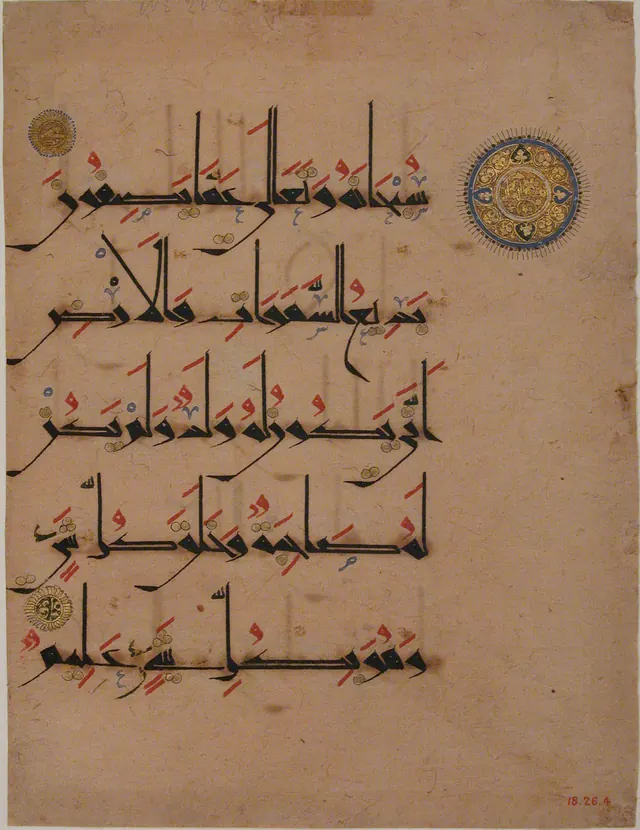
Commentaries that discuss a reading of each transmission, of 334. One commentary can discuss several.
Of 334 commentaries.
Among the various readings, possible additions or omissions affect clarity and understanding:
Current Arabic Qur’ān reads wa-’ātānī raḥmatan min ‘indihi, fa-‘ummiyat (“and there come to me mercy from him, and [though] ye are blinded to it”) with the second clause in the passive voice, meaning that “it became ambiguous to you”.
‘Abd Allah Ibn Kathīr and others read wa-’ātānī raḥmatan min ‘indihi, fa-‘amiyat (“...though ye are blind to it”), in the active voice in the Arabic language, meaning “it was hidden from you”.
Al-A‘mash narrates another reading: wa-’ātānī raḥmatan min ‘indihi, wa-‘amiyat (“...and ye are blind to it”), which matches the meaning of the reading of ‘Abd Allah Ibn Kathīr.
Other readings for this verse contain more or less words:
Ibn Mas‘ūd does not include the phrase wa-’ātānī raḥmatan min ’indihi (“…and there come to me mercy from him...”), which results in this reading: “He said, ‘O my people! let us see! if I stand upon a manifest sign from my Lord, and ye are blinded to it….”
Abū Zar‘a reports a different reading in the codex of ’Ubayy Ibn Ka‘b: …fa-‘ammāhā Allahu (“...though Allah blinded ye to it”), which includes the name of “Allah” as the agent.
The existence of the phrase, “and there come to me mercy from him,” has caused confusion in the text. Its presence makes it then difficult to know whether the blindness refers to mercy or the manifest sign—or both of them.
Islamic commentators disagree regarding the meaning of mercy in this verse. Some state that it means the prophethood or the miracle that refers to the prophethood. Al-Ṭabarī states that it means success, prophethood and wisdom. Al-Qurṭubī states that it means “the guidance to Allah through evidence, and it is said: faith and Islam”!
However, the reading of Ibn Mas‘ūd indicates that blindness refers to the “manifest sign,” where the adjective “manifest” means to make known or easily evident by the senses, particularly sight.
Ibn Mas‘ūd’s reading completely clears the confusion produced by the other readings; the additional phrase in the other readings, i.e., “and there come to me mercy from him,” does not serve the text. At best, this phrase is unnecessary, and at worst, it is detrimental to a straightforward understanding of this verse.
القراءة الشائعة للقرآن: <فَعُمِّيَتْ>، مبني للمجهول، أي أُبهِمَتْ عليكم.
وقرأ ابن كثير وآخرون: «فَعَمِيَتْ»، مبني للمعلوم، أي فَخَفِيَتْ.
وروى الأعمش أنها كُتبت بالواو: «وَعَمِيَتْ». وهي تطابق في المعنى قراءة ابن كثير.
وقد وردت بعض القراءات الأخرى لهذه الآية على الحذف والإضافة:
فقد حذف ابن مسعود عبارة «وَآتَانِي رَحْمَةً مِنْ عِنْدِهِ»، وقرأها «قَالَ يَا قَوْمِ أَرَأَيْتُمْ إِنْ كُنْتُ عَلَى بَيِّنَةٍ مِنْ رَبِّي وَعُمِّيَتْ عَلَيْكُمْ».
وذكر أبو زرعة أن القراءة في مصحف أبيّ بن كعب مختلفة، وهي كالتالي: «فَعَمَّاهَا اللهُ عَلَيْكُمْ» بإضافة اسم الجلالة فاعلاَ.
وجود عبارة <وأتاني رحمة من عنده> أربكت النص، بحيث أصبح من غير اليسير معرفة ما عميَ عليهم، وهل المقصود الرحمة أم البينة؟ أم الاثنين معًا؟
اختلف المفسرون اختلافًا كثيرًا في دلالة هذه الرحمة، فمنهم من قال أنها تعني النبوة، أو المعجزة الدالة عليها، وقال الطبري أنها تعني التوفيق، والنبوة، والحكمة، أو «الهداية إلى الله بالبراهين، وقيل: الإيمان والإسلام»!
لكن بالرجوع إلى قراءة ابن مسعود يتضح أن الإشارة تعود على البينة، والتي تعني في اللغة الوضوح، والبيان، فعُمِّيَتْ عَلَيْهمْ، وبهذه القراءة يزول الالتباس تمامًا. ويتضح جليًا أن زيادة هذه العبارة <وأتاني رحمة من عنده> لم يخدم النص، بل أدى إلى صعوبة فهم الآية.
Among the various readings, different wording produces different meanings regarding the parental lineage of Noah’s “son”:
Majority reading is ibnahu (“his son”).
Ibn ‘Abbās read ibnah (“his son”).
Al-Suddī read ibnāh (“his two sons”).
‘Alī Ibn Abī ṬālibN1 read ibnahā (“her son”), meaning the wife’s own biological son and not from Noah’s own seed.
There has been controversy among some of the readers regarding the lineage of this son (biological son or rabīb, meaning stepson, of Noah) and his religious beliefs (an infidel like his mother). One reader, al-Ḥasan Ibn ‘Alī, “swore” that this boy was not Noah’s biological son. Unfortunately, al-Ḥasan Ibn ‘Alī does not elaborate on his certainty. Perhaps he was guided by the following verse (Q 66.10):
God strikes out a parable to those who misbelieve: the wife of Noah and the wife of Lot; they were under two of our righteous servants, but they betrayed them: and they availed them nothing against God; and it was said, ‘Enter the fire with those who enter.’
Q 66.10 states that the wife of Noah betrayed him. The “betrayal” of a wife to her husband is understood to mean adultery, which brings in another possibility for the lineage of Noah’s son: Is Noah’s stepson an illegitimate son?
In response, commentator Ibn ‘Aṭīya cites Ibn ‘Abbās: “There is no wife who has ever [sexually] betrayed a prophet”. Perhaps this statement was an attempt to confirm the virtue of prophets’ wives and to rule out the charge by some Shiites that Muḥammad’s favorite wife, ‘Ā’isha, committed adultery during their marriage. (See the special feature “The Slander: Al-’Ifk Incident” at the end of Q 24).
Question: Is this young man Noah’s own offspring, his stepson, or an illegitimate “son” through adultery?
قراءة الجمهور: <ٱبۡنَهُ>.
وقرأ ابن عباس: «ابنهْ».
وقرأ السدي: «ابناهْ».
وقرأ علي بن أبي طالب : «ابنها»، أي ابن امرأته، كونه ليس ابنه لصلبه.
وقد حدث جدال بين بعض القراء حول كون هذا الابن هو من صلب نوح، أم ربيبه، أم كان كافرًا كأمه. فبحسب القناعات جاءت القراءات، ولذا كان الحسن «يحلف أنه ليس ابنه لصلبه»، ولا ندري كيف تأكد الحسن من كون هذا الابن ليس ابن نوح من صلبه؟ ألعله قد أخذ بما تلمح إليه الآيةِ العاشرة من سورة التحريم <ضَرَبَ ٱللَّهُ مَثَلًا لِّلَّذِينَ كَفَرُوا۟ ٱمْرَأَتَ نُوحٍ وَٱمْرَأَتَ لُوطٍ ۖ كَانَتَا تَحْتَ عَبْدَيْنِ مِنْ عِبَادِنَا صَٰلِحَيْنِ فَخَانَتَاهُمَا> فظاهر الآية هنا يوحي بأن امرأة نوح قد خانته، ومن المعروف أن خيانة المرأة لزوجها يُفهم منها الخيانة الزوجية.
وقد قدم ابن عطية قول ابن عباس: «ما بغت إمرأة نبيٍ قط»، حتى يؤكد عصمة الأنبياء وزوجاتهم، ويبدو أن هذا القول هو محاولة لاستبعاد فكرة خيانة عائشة لمحمد، الفكرة التي يقول بها حتى الآن البعض من الشيعة.
والسؤال المطروح: هل هذا الابن هو ابن نوح أم ربيبه أم ابن زنا؟
Among the various readings, the lack of a clear pronoun referent produces ambiguity:
Majority reading is min qabl hadhā (“before this”).
Codex of Ibn Mas‘ūd reads min qabl hadhā al-Qur’ān but includes the word al-Qur’ān after “before this” to read “before this Qur’ān”.
In his commentary on this verse, Ibn ‘Āshūr explains that in the phrase “before this”, there are three possible referents for the pronoun “this”: (1) the Qur’ān, (2) the current time, or (3) story or news.
The lack of clear prose or helpful context to determine an irrefutable referent for “before this” is yet another example of obscure Qur’ānic text.
Question: Was the wording al-Qur’ān, found in the codex of Ibn Mas‘ūd and provides a clear pronoun referent for “before this,” somehow inadvertently dropped by inattentive members of ‘Uthmān’s committee compiling the ‘Uthmānic codex? (See the section ‘Uthmān’s Compilation in the article “Compilation of the Qur’ān)
قراءة الجماعة: <مِنْ قَبْلِ هَذَا>.
وفي مصحف ابن مسعود: «مِنْ قَبْلِ هَذَا القُرْآن» بزيادة لفظ «القُرْآن».
ويقول ابن عاشور في تفسيره لهذه الآية: «والإشارة بقوله «مِنْ قَبْلِ هَذَا» إما إلى القرآن، وإما إلى الوقت باعتبار ما في هذه القصة من الزيادة على ما ذكر في أمثالها مما تقدم نزوله عليها، وإما إلى (تِلْكَ) بتأويل النبأ، فيكون التذكير بعد التأنيث شبيها بالالتفات».
وفقًا لابن عاشور إذًا، هناك ثلاثة احتمالات لتأويل كلمة «هَذَا» كالتالي:
فعدم ذكر المزيد من المعلومات لتوضيح المقصود من أداة الإشارة <هذا>، يصيب النص القرآني بنقص في البيان.
ونتساءل: هل وجود كلمة «القرآن» في مصحف ابن مسعود يدل على أنها سقطت سهوًا من مصحف عثمان دون أن تنتبه لها لجنة زيد بن ثابت؟
Among the various readings, the numerous variations themselves question the complete textual authenticity of today’s Qur’ān:
Majority reading is Wa imra’ātuhu qā’imatun (“And his wife was standing by”).Codex of Ibn Mas‘ūd reads Wa imra’ātuhu qā’imatun wa huwa qā‘idun (“And his wife was standing by, and he was sitting”) with the phrase “and he was sitting”.
It is narrated that Ibn Mas‘ūd read Wa hiya qā’imatun wa huwa jālisun (“And she was standing by, and he was sitting”).
Al-Khaṭīb criticizes these readings of Ibn Mas‘ūd, stating, “I did not find these two readings [codex and narrated readings listed above] in the printed copy of his codex, and they both should be considered as interpretative readings; most of the readings narrated from him are of this sort”.
Al-Khaṭīb insinuates that the two readings of Ibn Mas‘ūd are not true readings. Under scrutiny, however, al-Khaṭīb’s analysis lacks substance:
Al-Khaṭīb’s statement about “the printed copy of his codex” means the extant or available parts of Ibn Mas‘ūd’s codex included in a chapter of a scholarly reference on the Qur’ān, Kitāb al-Maṣāḥif, by al-Sijistānī. However, this book is not a comprehensive record for all the texts of the copies of the Qur’ān; it only contains parts of them. Since this book does not contain the complete codex of Ibn Mas‘ūd, then al-Khaṭīb has not seen Ibn Mas‘ūd’s codex in its entirety. Al-Khaṭīb’s comment distorts the facts and misleads the reader.
Al-Khaṭīb’s complaint notwithstanding, the Ibn Mas‘ūd reading does exist in some copies of the Qur’ān, such as the codex of Ibn Mas‘ūd and the codex of ’Ubayy Ibn Ka‘b. Their value cannot be discounted, especially in present times, when modern research of the ancient Ṣan‘ā’ manuscripts has shown that these “first-generation” copies of the Qur’ān include many differences from later copies, including the current Arabic Qur’ān. For example, Q 9.107 reads in the Ṣan‘ā’ manuscript as “…and His Apostle before; they surely swear by Allah what we wished…,” whereas the current Arabic Qur’ān reads “…and His Apostle before; they surely swear, ‘We only wished for what is good….’” This example, one of too many textual differences, points out that the current Arabic Qur’ān does not exactly align with these early codices, which are now available for definitive review, study, and comparison. (See the section Early Qur’ānic Manuscripts in the article “Variant Readings of the Qur’ān: Study Update, and the comment on Q 18.53).
The expression “interpretive reading” does not exist. A reading is just “a reading”. If there is an explanation, then it is a simplified explanation, as given in Tafsīr al-Jalālayn, a classical, concise study of the Qur’ān. The only acceptable use of this term “interpretive reading” is when the reader is unknown. (See the comment on Q 54.7).
Besides dismissing Ibn Mas‘ūd’s readings (listed earlier) as nonexistent or “interpretative,” al-Khaṭīb curiously mentions in a footnote yet another reading for this verse in Ibn Mas‘ūd’s codex, according to al-Mughīra: Wa imra’ātuhu qā’imatun wa huwa jālisun (“And his wife was standing by, and he was sitting”). This footnote is a surprising statement and brings up another controversial matter. How can there be different readings in the same codex? Ibn Mas‘ūd would have had just one reading for the same verse in his own codex; who would claim there is another reading and why?
What is known is that Ibn Mas‘ūd, who was handpicked by Muḥammad to act as one of only four supreme authorities to protect and uphold the Qur’ān’s text, was not invited by ‘Uthmān Ibn ‘Affān (third caliph after Muḥammad’s death) to serve on his committee to compile and unify the Qur’ān (c. AH 30/AD 650), an exclusion that deeply embittered him. After the task of compiling the Qur’ān was completed, ‘Uthmān sought to destroy all other codices in order to make his compiled copy the only official codex. Ibn Mas‘ūd strongly objected to the destruction of all these other codices and never accepted the ‘Uthmānic codex. In fact, Ibn Mas‘ūd “requested his supporters to resist and furtively hide their Korans”. (For more discussion, see the article “Compilation of the Qur’ān”), Given this history, is it not plausible that those who would want to protect the authority and “authenticity” of the “official” Qur’ān (‘Uthmānic codex) might wish to diminish or discredit Ibn Mas‘ūd’s readings? By disparaging Ibn Mas‘ūd and his readings—no matter the quality—his critics can bolster their claim that the Qur’ān is one Qur’ān without variations.
قراءة الجماعة: <وامرأته قائمة>.
وفي مصحف ابن مسعود: «وامرأته قائمة وهو قاعد» بزيادة «وهو قاعدٌ».
كما يُروى أن ابن مسعود قرأ: «وهي قَائِمَةٌ وهو جالسٌ».
علَّق الخطيب على قراءة ابن مسعود، فقال: «ولم أجد هاتيْن القراءتيْن في المطبوع من مصحفه، وهما قراءتان محمولتان على التفسير، ومن هذا الباب أغلب القراءات المروية عنه»؛ ملمحًا أن هاتين القراءتين زائفتان. ولكننا عندما نحلل قول الخطيب، نجد:
بعد أن أورد الخطيب مصادر هذه القراءة من مراجع علوم القرآن، أضاف أنه لم يجد هذه القراءة في باب: «مصحف ابن مسعود»، في «كتاب المصاحف» للسجستاني. ولكن هذا الكتاب ليس سجلاً شاملاً لكل نصوص المصاحف، بل إنه يحتوي فقط على أجزاء منها. فإيهام القارئ بأن «كتاب المصاحف» لابد وأن يشتمل على كامل مصحف ابن مسعود لهو تلاعب بالمعطيات.
عندما تكون هذه القراءة موجودة في بعض المصاحف، مثل مصحف ابن مسعود، ومصحف أُبي بن كعب، فلا حجة لأي أحدٍ أن ينقص من شأنها، وخصوصًا في عصرنا الحاضر حيث أثبتت الأبحاث الحديثة في مخطوطة صنعاء، أن مصاحف الأجيال الأولى كانت تضم هذه الاختلافات.
لا يوجد مصطلح اسمه «قراءة تفسيرية» إلا ما جاء في بعض القراءات مجهولة الصاحب، فنحن نوافق على هذا التعبير في هذه الحالة. فالقراءة قراءة. فإذا كانت شرحًا، فهي تفسير مبسط مثل «تفسير الجلالين». ومن خلال دراستنا لتعبير «قراءة تفسيرية» يمكن القول أن الخطيب أراد إقناع القارئ برأي مفادُه أن أغلب قراءات ابن مسعود ـ كما جاءت في المصادر الإسلامية ـ ما هي إلا شروحاتٌ مبسطة، ربما ليعزز دعوى وحدة النص القرآني.
إلى جانبِ رفضِ الخطيبِ قراءاتِ ابنِ مسعودٍ على أساسِ أنها غيرُ موجودةٍ أو أنها «تفسيريةٌ»، يذكرُ على نحوٍ غريبٍ في حاشيةٍ قراءةً أخرى لهذه الآيةِ في مصحفِ ابنِ مسعودٍ، حسبَ روايةِ المغيرةِ: «وامرأتُه قائمةٌ وهو جالسٌ». وهذه الحاشيةُ عبارةٌ مفاجئةٌ تثيرُ مسألةً خلافيّةً أخرى. فكيفَ يمكنُ أن توجدَ قراءاتٌ مخالفةٌ في المصحفِ نفسِهِ؟ إذْ من المتوقعِ أن تكونَ هنالك قراءةٌ واحدةٌ فقط للآيةِ نفسِها في مصحفِه الخاصِّ؟ فمن يمكنُ أن يزعمَ أن هنالك قراءةً أخرى، ولأيِّ سببٍ؟
من المعروفِ أنّ محمدًا اختارَ ابنَ مسعودٍ ليكونَ واحدًا بين أربعةِ ثُقاةٍ لحمايةِ النصِّ القرآنيِّ وتعزيزِه. لكن الخليفةَ الثالثَ، عثمانَ بنَ عفّانَ، لم يستدعه ليكونَ في اللجنةِ التي كوّنَها لجمعِ القرآنِ وتوحيدِه (حوالي 30 هـ . أو 650م)، وهو إقصاءٌ تركَ في نفسِه مرارةً عميقةً. وبعدَ اكتمالِ مَهَمّةِ جمعِ القرآنِ، سعى عثمانُ إلى القضاءِ على المصاحفِ الأخرى كلِها ليجعلَ نسختَه المجمّعةَ المصحفَ الرسميَّ الوحيدَ. فاعترضَ ابنُ مسعودٍ بقوةٍ على القضاءِ على المصاحفِ الأخرى كلِها، ولم يقبلْ مصحفَ عثمانَ قطُّ. بل إنه طلبَ من مؤيديهِ أن يقاوموا هذا المصحفَ وأن يُخفوا قرائينَهم.
أليس معقولًا، في ضوءِ هذا التاريخِ، أن الذين أرادوا أن يحموا سُلطةَ القرآنِ «الرسميِّ» (مصحف عثمان) وأصالتَهُ أرادوا أيضًا أن يقلَلوا من شأنِ قراءاتِ ابنِ مسعودٍ أو يطعنوا فيها؟ إذْ يمكنُ لمنتقدي ابنِ مسعودٍ بقيامِهم بالحطّ منه ومن قراءتِه، بغضِّ النظرِ عن نوعيتِها، أن يدعموا زعمَهم بأن القرآنَ قرآنٌ واحدٌ من دونِ اختلافاتٍ؟
القراءة الشائعة <رَحْمَتُ>.
وقرأ ابن كثير وأبو عمرو والكسائي وغيرهم: «رحمه» بالوقف على الهاء.
وقرأها نافع وابن عامر وعاصم وحمزة : «رحمتْ» بتسكين التاء.
اختلافات هذه القراءات ناتجة عن رسم التاء في آخر الكلمة.
Among the various readings, vowel differences in certain words and the presence or absence of certain phrases affect meaning:
Current Arabic Qur’ān reads ’āsri…wa lā yaltafit minkum ’āḥadun ’illā imra’ātaka (“then travel with thy people in the darkness of the night, and let none of you look round except thy wife”).
Ibn Mas‘ūd read fa’āsri…’illā imra’ātaka (“then travel with thy people in the darkness of the night, except thy wife”) without the phrase, “and let none of you look round”.
‘Abd Allah Ibn Kathīr and others read ’āsri…wa lā yaltafit minkum ’āḥadun ’illā imra’ātuka (“then travel with thy people in the darkness of the night, and let none of you look round except thy wife”), pairing the vowel ḍamma (ُ) and not fatḥa (َ) on the consonant t (تُ) in the word imra’ātuka (“thy wife”), but Abū ‘Ubayda refutes this reading.
A further clarification of these readings will better explain their differences in meaning according to Arabic grammar:
Current Arabic Qur’ān reading, with the word imra’ātaka (“thy wife”), uses the vowel fatḥa on the consonant t (ت), which indicates that the exception is connected to the travel. In other words, Lot and all his people are to travel without his wife.
Reading of Ibn Mas‘ūd also uses the word imra’ātaka (“thy wife”) with a fatḥa on the consonant t (ت) like the current Arabic Qur’ān, which means Lot’s wife is clearly excluded from the departing group of Lot and his people. This reading also removes the confusing part about looking behind.
Reading of ‘Abd Allah Ibn Kathīr, however, uses the word imra’ātuka (“thy wife”) with a ḍamma on the consonant t (ت), which means that the “exception” is that Lot’s wife is the only one who looked around.
It is worth mentioning that the phrase “and let none of you look round” can also be found in another account about Lot in Q 15.65: “Travel then with thy family in the deep darkness of the night, and follow thou their rear; and let not any one of you turn round to look; but go on to where ye are bidden.” Ibn Mas‘ūd read it with emphasis on the word “look”: wa lā yaltafitanna minkum ’āḥadun.
The story of Lot and his people are mentioned in two other passages: Q 26.170-171 and Q 37.134-135. Curiously, these passages do not include any command to not look around. These passages do mention that an “old woman…who lingered” does not escape perdition. Islamic commentators disagree about the identity of this old woman. Some state she is Lot’s wife, but others state she is just one of the old women who perished in the city. Those scholars who believe this woman is Lot’s wife do not explain why she was not given the same chance to escape with the rest of the family.
The story of Lot is recounted in the Old Testament (Torah) but with more detail. Two angels command Lot to “take your wife and your two daughters who are here, or you will be swept away when the city [Sodom] is punished” (NIV, Gen. 19.15). Two verses later, after the angels have safely led Lot, his wife, and their daughters out of the city, one of the angels admonishes Lot and his family to flee for their lives, saying, “Don’t look back, and don’t stop anywhere on the plain!”
In this biblical passage, none of Lot’s family members is excluded from the opportunity to safely depart Sodom and escape from its punishment. The command of not looking around occurs after Lot and his family have traveled some distance away from the city. The angel’s command is directed to everyone, including Lot’s wife. However, Lot’s wife does not heed this directive and decides to look back and becomes “a pillar of salt” (Gen. 19.26).
The Qur’ān’s four brief recounts conflict on several points with the one extensive account of Lot in the Old Testament. More importantly, the Qur’ān’s four accounts and their variations conflict with each other, most notably the final actions and consequences of Lot’s wife: whether she looked around, and whether she was saved from God’s annihilation of Sodom and Gomorrah.
Questions: (1) For a sacred book “in plain Arabic language” (see Q 26.195), why would these four versions about Lot and his wife in the Qur’ān not align on some of the most important points of this story—the actions and fate of Lot’s wife? (2) Why do two of the passages about Lot single out an old woman and her death by God’s punishment of the city’s people?
القراءة الشائعة <أَسْرِ بِأَهْلِكَ بِقِطْعٍ مِنَ اللَّيْلِ وَلَا يَلْتَفِتْ مِنْكُمْ أَحَدٌ إِلَّا امْرَأَتَكَ>
قرأ ابن مسعود: «فَأَسْرِ بِأَهْلِكَ بِقِطْعٍ مِنَ اللَّيْلِ إِلَّا امْرَأَتَكَ»، دون عبارة <وَلَا يَلْتَفِتْ مِنْكُمْ أَحَدٌ>.
قرأ ابن كثير وبعض القرّاء: «أَسْرِ بِأَهْلِكَ بِقِطْعٍ مِنَ اللَّيْلِ وَلَا يَلْتَفِتْ مِنْكُمْ أَحَدٌ إِلَّا امْرَأَتُكَ» بالرفع، ثم أنكر أبو عبيدة هذه القراءة.
ونوضح فيما يلي الفرق بين هذه القراءات بحسب إعراب كل منها:
في القراءة الشائعة: كلمة <امْرَأَتَكَ> بالنصب تفيد أن الاستثناء متصل، أي: خروج لوط وأهله باستثناء امرأته.
أما قراءة ابن مسعود: والتي جاءت بدون عبارة «ولايلتفت منكم أحدٌ»، فتفيد خروج لوط وأهله باستثناء امرأته.
وأخيرا، قراءة ابن كثير: كلمة امرأتك بالرفع، تفيد أن الاستثناء منفصل، أي أنها الوحيدة التي تلفتت.
من الجدير بالذكر أن عبارة «ولايلتفت منكم أحدٌ» قد وردت في آية أخرى من القرآن: <فَأَسْرِ بِأَهْلِكَ بِقِطْعٍ مِنَ اللَّيْلِ وَاتَّبِعْ أَدْبَارَهُمْ وَلَا يَلْتَفِتْ مِنْكُمْ أَحَدٌ وَامْضُوا حَيْثُ تُؤْمَرُونَ> (الحجر 15: 65)، وكذلك قرأ ابن مسعود هذه الآية بالتوكيد «وَلَا يَلْتَفِتَنَّ مِنْكُمْ أحدٌ». الا أن الأمر بعدم التفات لوط وأهله لم يرد في موضعين آخرين من القرآن تناولا نفس الحادثة (الشعراء 26: 170-171، والصافات 37: 134-135) وقد استثنت امرأة لوط في هذين الموضعين لا من الخروج أو الالتفات فحسب، بل من النجاة من الهلاك.
هذه القصة وردت في التوراة بتفاصيل أوضح؛ حيث أمر الملاكان لوطًا في العدد 15 قائِلَين: «قُمْ خُذِ امْرَأَتَكَ وَابْنَتَيْكَ الْمَوْجُودَتَيْنِ لِئَلاَّ تَهْلَكَ بِإِثْمِ الْمَدِينَةِ»، أما فيما يخص الالتفات أو النظر للوراء فقد ورد لاحقًا بعد خروجهم من المدينة، كما جاء في العدد 17: «وَكَانَ لَمَّا أَخْرَجَاهُمْ إِلَى خَارِجٍ أَنَّهُ قَالَ: «اهْرُبْ لِحَيَاتِكَ. لاَ تَنْظُرْ إِلَى وَرَائِكَ، وَلاَ تَقِفْ فِي كُلِّ الدَّائِرَةِ. اهْرُبْ إِلَى الْجَبَلِ لِئَلاَّ تَهْلَكَ»». ومن السياق يبدو جليًا أن الأمر بعدم الالتفات، جاء بعد خروجهم، وكان أمرًا للجميع بما فيهم امرأته، ولم يكن هناك استثناء سواءً من الخروج أو النجاة لأي منهم، إلا أن امرأة لوط هي التي اختارت الالتفات. ولكن النص القرآني بمواضعه الأربعة، وكذلك بقراءاته المختلفة جعلت من هذه المرأة هدفًا للاستثناء سواء من الخروج أو من النجاة، وليس هذا فحسب، بل تمادى النص القرآني في وصفها بالقول <إِلَّا عَجُوزًا فِي الْغَابِرِينَ> (الشعراء 26: 171، والصافات 37: 135).
ونحن نتسائل: لماذا هذا التحامل على المرأة؟ ولماذا لم يعطها النص القرآني الحق في النجاة كباقي اسرتها؟
Among the various readings, differences in initial consonants and final endings in one word affect meaning:
Majority reading is baqīyatu (“residue”). Islamic commentator Ibn Kathīr offers several meanings for “residue,” such as the bounty of Allah, the commandment of Allah, the obedience to Allah, and the like.
Ibn ‘Abbās read taqīyatu with the consonant t instead of b. The intended meaning is the reverence of Allah.
This phenomenon of different words and letters among the variant readings of this and other verses in the Qur’ān is a continual problem. This problem stems from the lack of dotting in the early codices of the Qur’ān. Without these definitive dots for guidance, readers developed their readings based on their personal taste, skill, and understanding.
Question: Which word—baqīyatu or taqīyatu—is the original word and its intended meaning?
قراءة الجماعة: <بَقِيَّتُ اللهِ > بالباء.
وقرأ ابن عباس: «تَقِيَّتُ اللهِ» بالتاء.
وهناك فرق واضح بين معنى القراءتين:
معنى قراءة الجماعة: ذكر ابن كثير مجموعة من الأقوال لتفسير: «بَقِيَّتُ اللهِّ خَيْرٌ لَكُمْ»، مثل: رزق الله، وصية الله ، وطاعة الله ، وغيرها من التفاسير.
وأما المراد من قراءة ابن عباس: «تقواه سبحانه».
بما أن المصاحف الأولى لم تكن منقطة، فبالتالي يبدو أن القراء قد ذهبوا في قراءاتهم لنفس الكلمة، كل حسب ما رآه مناسبًا لقراءتها، فهناك من قرأها بالباء وهناك من قرأها بالتاء.
Among the various readings, differences in the singularity or plurality of a noun affect meaning:
Current Arabic Qur’ān reads ghayābati (“the bottom”).
Ibn Mas‘ūd (and his codex) and others read it with a closed (ة) instead of an open (ت) consonant t for this word.
Nāfi‘ and Abū Ja‘far read ghayābāti (“the bottoms”) with a plural noun.
The interchanging of singular and plural nouns is very common in the readings. The main reason for these fluctuations is that the alif (ا) in the middle of the word rarely appears in the earliest codices, which lack dots and diacritical marks. This situation creates ambiguity in the ‘Uthmānic codex and thus does not resolve whether the word is singular or plural in this verse. This confusing dilemma remains here in this verse and many other places.
القراءة الشائعة للقرآن <غَيَابَتِ>.
وقرأ ابن مسعود وآخرون: «غَيَابَة» وهي كذلك في مصحفه بالتاء المربوطة.
وقرأ نافع وأبو جعفر: «غَيَابَاتِ» بالجمع.
جاءت الكلمة <غيابت> في رسم المصحف بتاء مفتوحة، وجاءت في مصحف ابن مسعود بتاء مربوطة. أما في مايخص القراءة بالجمع فذلك راجع إلى رسم المصحف العثماني والمصاحف الأولى التي نادراً ما تظهر فيها الألف في وسط الكلمة مما أربك القراء في القراءة بالمدّ أو عدمه وبالتالي بالجمع أو بالإفراد.
ونتساءل: كيف يمكن القول بوحدة النص القرآني في ظل هذه القراءات المختلفة؟
Among the various readings, the differences in wording produce different meanings:
Current Arabic Qur’ān reads yarta‘ wa yal‘ab (“to enjoy himself and play”; Yusuf Ali trans.).
Ibn Ibn Abī ‘Abla read yar‘a wa yal‘ab (“to go to pasture and to play”).
Muqātil Ibn Ģaīyān read nalhū wa nal‘ab (“amuse ourselves with play”).
The differences in these readings indicate that every reader read according to his own imagery and understanding of the text and not to a particular inspiration. For instance, the current Arabic Qur’ān reading refers to Joseph and uses the word yarta‘ (from al-rat‘u), which means eating and drinking happily in the countryside.7 The second reading refers to Joseph, who shepherds the flock and plays. The third reading refers to Joseph and his brothers, who amuse themselves and play.
In analyzing the different word choices in the readings, the word yarta‘, or “enjoys” in the sense of eating and drinking, lacks persuasive power because it would be more reasonable for the young Joseph to eat and drink at home. Similarly, the brothers’ request to their father to let Joseph help them with their flocks seems most unusual and, again, unpersuasive given his youth and inexperience. Therefore, the reading in which the brothers wish to play and have fun with their young brother seems the most logical in this scenario and the most persuasive in cajoling a doting father into letting his son go with them.
Question: Which of the three meanings is the verse’s true communication?
القراءة الشائعة للقرآن: <يَرْتَعْ وَيَلْعَبْ>.
وقرأ ابن أبي عبلة: «يَرْعَى وَيَلْعَبُ».
وقرأ مقاتل بن حيان: «نَلْهُو وَنَلْعَبْ».
باختلاف القراءات يختلف المعنى والمدلول، مما يدل على أن لكل قارئ تصوراً شخصياً يختلف عن سائر القرّاء؛ كل باختلاف استيعابه للنص، وليس وفقاً لوحي معين:
فالقراءة الشائعة: <يَرْتَعْ وَيَلْعَبْ>، أي يوسف، والرَّتْعُ: «الأَكل والشرب رَغَدًا في الرِّيف».
بينما تدل القراءة الثانية: «يَرْعَى وَيَلْعَبُ» على أن يوسف يرعى الغنم ويلعب.
في حين أن القراءة الثالثة: «نَلْهُو وَنَلْعَبْ» تشير إلى يوسف وإخوته حيث يلهون ويلعبون.
يرتع بمعنى يأكل ويشرب، فليس لهذا الغرض طلب إخوة يوسف من أبيهم محاولين إقناعه بذهاب يوسف معهم، حيث يمكنه الأكل والشرب في البيت. أما بالنسبة للرعي، فهذا غير ممكن لصغر سنه، ولو كان في سن يسمح له بالرعي لأرسله أبوه مع إخوته دون الحاجة للإقناع. لهذا، فاللهو واللعب هو الاكثر ترجيحًا لصغر سن يوسف.
Among the various readings, different word choices affect meaning:
Majority reading is ‘ishā’an (“at eve”), which is the beginning of the evening’s darkness.
Al-Ģasan al-Bašrī, al-A‘mash, al-Muţţawwi‘ī, Ibn al-Samayfi‘ and others read ‘ushā’an (“darkness”).
Al-Ģasan al-Bašrī is said to have read ‘ushān (عُشًا), which is the plural of ‘āshin (“one who had dinner”).
It is rather surprising that some Islamic commentators, such as al-Qurţubī, try to justify the existence of the word ‘ishā’an (“at eve”) in the context of the verse, although the meaning of the word is clear. Al-Qurţubī states in his interpretation that ‘ishā’an means “in the night…because it is easier to apologize in the darkness”. Al-Qurţubī’s view might be reasonable if the loss was a replaceable possession, but the context here is related to the loss of Jacob’s most beloved son, a catastrophe that cannot be eased by choosing a particular time to announce it. It is difficult to imagine any father able to control his reaction while receiving such catastrophic news just because darkness has fallen.
The third reading, which has no hamza, aligns with the consonantal scripting (rasm) in the ‘Uthmānic codex (عسا), which also has no dots, diacritical marks, or hamzas (ٔ ). The context of the verse shows that Joseph’s brothers wanted to deceive their father. By only dotting the first consonant of the word, it becomes ghishān (غشًا), which means “deceiving or cheating.” This word ghishān perfectly matches the context, resulting in the proposed following verse: “And they came to their father deceiving and weeping” (emphasis added). (Remember, Joseph’s brothers deceived their father by claiming that the wolf had eaten Joseph.) Christoph Luxenberg, a scholar of ancient Semitic languages, points out that by adding this dot to the originally unmarked word to make it ghishān, the verse becomes clearer in meaning and closer to the context and reflects the personalities of the brothers more eloquently and accurately than “And they came to their father at eve and weeping.”
The reading by Luxenberg, with his theory about ghishān, is more convincing and more appropriate contextually than the attempt provided by al-Qurţubī.
قراءة الجماعة: <عِشَاءً>، أي أول الظلام من الليل.
قرأها الحسن، والمطوعي، والأعمش، وغيرهم: «عُشَاءً»، من العشوة، وهي الظلمة.
وقراءة الحسن: «عُشًا»، على وزن دُجىً، جمع عاشٍ، أي «أكل العشاء».
من الملفت توقف بعض المفسرين، كالقرطبي على سبيل المثال، عند كلمةٍ مفهومةٍ للجميع، مثل «عِشاءً»، في محاولة منهم لتبرير وجودها في سياق الآية. حيث يقول القرطبي في تفسيره لكلمة عِشاءً: «أَيْ: لَيْلاً...لِيَكُونُوا أَقْدَر عَلَى الإِعْتِذَار فِي الظُّلْمَة». ويبدو ما ذهب إليه القرطبي مقبولاً إذا تعلق الأمر بفقدان متاع يمكن تعويضه، أما أن يكون السياق مرتبطًا بفقدان يعقوب لفلذة كبده، فهذه مصيبة لا يقلل من هولها توقيت إعلانها، حيث لايتصور أن يتمكن أي أب أن يتمالك نفسه من وقع كارثة كهذه، فيقبل الاعتذار فقط لحلول الظلام!
جاءت القراءة الأخيرة بدون تهميز متماشية مع رسم المصحف العثماني <>، الذي لم يكن مُنقطاً ولا مُشكلاً ولا مَهموزاً. وبالرجوع إلى سياق الآية يتبين أن إخوة يوسف أرادوا خداع أبيهم، وبمجرد تنقيط الحرف الأول فقط من الكلمة تصبح «غشًا»، التي تتناسب تمامًا مع السياق. فتصبح الآية «وَجَاءُوا أَبَاهُمْ غِشًا يَبْكُونَ»، لأن إخوة يوسف غشّوا أباهم بقولهم إن يوسف أكله الذئب. وعليه، تصبح الآية أكثر بلاغةً، وأوضح معنىً وأقرب إلى السياق وإلى شخصية إخوة يوسف مِن <وجاءوا أباهم عشاء يبكون>.
وهي القراءة التي توصل إليها كريستوف لوكسنبورج، وهي أكثر إقناعًا واتساقاً من تفسير القرطبي.
Majority reading: qaddat ("she tore"). Abu Hayan interprets the verb qad as the ("tear or split.) Most commonly used for vertical tear."
Al-Hassan's reading is qattat. Abu Hyaan "…the 'qat' is for sideway tear"
Al-Hassan also read it "Ottat" where "Al-Ott" is a linear tear/cut. It is also said: "Al-Att is tearing a garment or others without specifying the direction."
قراءة الجماعة: <قَدَّتْ>. وقد ذكر أبو حيان أن القدّ هو «القطع، والشقّ، وأكثر استعماله فيما كان طولاً».
وقرأها الحسن «قَطَّتْ». وقال أبو حيان إن «...القطُ يستعمل فيما كان عَرْضًا».
وقرأها الحسن كذلك «عُطَّتْ». والعطُّ: أي الشقّ طولاً. وقيل «العطّ: شقّ الثوب وغيره، عرضًا أو طولاً، من غير بَيْنُونَةٍ».
Among the various readings, the use of unusual words that are not of the common Arabic vernacular is one of the puzzling features of the Qur’ān:
Majority reading is alfayā (“they met”).
Ibn Mas‘ūd read this word as wajadā (“they found”), instead of alfayā (“they met”). While there is not a difference in the meaning of the verse, wajadā is the commonly used expression in the Arabic language.
Questions: (1) Why is the majority reading alfayā, an expression rarely used by the typical Arabic speaker? (2) Did Ibn Mas‘ūd decide to change alfayā to wajadā for this reason, or did he hear wajadā directly from Muģammad and did not dare change it with another reading? (3) If the reading of Ibn Mas‘ūd (one of only four authoritative readers specifically designated by Muģammad) is authentic—the true words of the Qur’ān—why do the other readings deviate from it?
قراءة الجماعة: <وَأَلْفَيَا>.
وقرأ عبد الله بن مسعود: «وَوَجَدا».
ليس هناك فرق في المعنى بين الكلمتين: <وَأَلْفَيَا> و«وَوَجَداَ». إلا أن لفظة «وَجَدَ» هي أكثرُ شيوعاً من <أَلْفَى>. هـذا مع الاختلاف الكامل في التكوين الصوتي، ونطق الكلمتين. كما نلاحظ في هذه القراءة أن هاتين الكلمتين مترادفتان، وليس كباقي القراءات التي تختلف في التشكيل أو التنقيط أو التهميز فقط.
وهنا نتساءل: هل وجد ابن مسعود أن قراءة <أَلْفَيَا> غير مفهومة في ذلك العصر، فاستبدلها بقراءة «وجدا»؟ أم أنه قرأ بما سمعه من محمد فلم يجرؤ على القراءة بغيره؟ أم أن بعض القراء لم يلتزموا بحرفية القرآن؟ لاسيما أن محمدًا أمر المسلمين أن يأخذوا القرآن من أربعة؛ وعلى رأسهم عبد الله بن مسعود.
Among the various readings, differences in the type of noun—common or proper—affect meaning:
Majority reading is wa qulna ģāshā li-lāhi (“and [they] said, ‘God forbid!”).
Al-Ģasan al-Bašrī read wa qulna ģāshā al-’ilāhi (“and [they] said, ‘the god forbid!”).
The majority reading indicates that when the Egyptian women saw Joseph, they said “God forbid!” as if they believed in the God of Joseph. However, historical sources, artifacts, and hieroglyphics indicate that the ancient Egyptians believed in pagan gods and did not know—let alone, believe—in this God of Joseph. Therefore, the reading of al-Ģasan al-Bašrī more accurately expresses an exclamation made by people living in a culture that worships idols.
قراءة الجمهور: <وقلن حاشَ للهِ>.
وقُرِئَ عن الحسن: «وقلن حَاشَ الْإِلَه».
قراءة الجمهور تفيد أن النسوة لما رأوا يوسف قلن<حاشَ لله> وكأنهن يؤمن بإله يوسف، والتاريخ يخبرنا أن المصريين كانوا يؤمنون بآلهة وثنية ولا يعرفون الله، إله يوسف، فبالتالي تكون قراءة الحسن هي الأرجح لأنها تفيد أن النسوة يخاطبن الإله الذي يعرفونه بحسب ثقافتهن الوثنية.
Among the various readings, different pronunciations of the same word prompt some Islamic scholars to suggest different language origins:
Majority read ģattā (“until a time”).
Ibn Mas‘ūd read it as ‘attā (“until a time”).
It is noteworthy that Ibn Mas‘ūd consistently read the word ‘attā wherever it is found in the Qur’ān: Q 12.35, Q 23.25 and 54, Q 37.174 and 178, and Q 51.43. ‘Umar Ibn al-Khaţţāb, the second caliph, asked him to read as the majority reading in these verses, but the codex of Ibn Mas‘ūd still contains this word ‘attā in these verses.
Al-Khaţīb (quoting Ibn Jinnī) explains that ‘attā is in a different language:
[O]f such a thing is what has been related concerning ‘Umar that he heard a man reading, “…‘attā ģīn….” He said [to the man], “Who makes you read it so?” The man replied, “Ibn Mas‘ūd.” So, he [‘Umar] wrote to him [Ibn Mas‘ūd]: “Allah...sent down the Qur’ān, making it Arabic. He sent it down in the language of the Quraysh. So, make the people read according to the language of the Quraysh, not by the language of Hudhayl....”
Because Ibn Mas‘ūd was from the Hudhayl tribe, perhaps ‘Umar assumed the word ‘attā was from the Hudhayl language.
Questions: (1) Was the use of this non-Quraysh word ‘attā a linguistic choice made by Ibn Mas‘ūd or was this word given to him by Muģammad? If the latter, why would Muģammad use such a word? (2) Was ‘Umar’s request to Ibn Mas‘ūd to change his reading just one of other requests? (3) How do such requests and possible changes affect the belief that the Qur’ān’s text is divine revelation, the exact words of Allah?
قراءة الجماعة:<حَتَّى حِينٍ>.
وقرأ ابن مسعود «عَتَّى حِينٍ» بالعين.
ما يلفت الانتباه هو أن ابن مسعود قرأ «عتَّى حِينٍ» أينما وجدت في القرآن: (يوسف12: 35 ، والمؤمنون 23: 25، 54، والصافات37: 174، 178، وأخيراً الذاريات 51: 43). وظل ابن مسعود على قراءاته هذه حتى أن عمر بن الخطاب طلب منه أن يقرأ بقراءة الجماعة. ويفيد بعض المفسرين أن قراءة ابن مسعود هي بلغة هذيل، وقراءة الجماعة بلغة قريش، فقد ذكر ابن عطية الأندلسي الحديث التالي: «...فكتب عمر إلى ابن مسعود: إن الله أنزل القرآن عربيًا بلغة قريش، فبها أقرئ الناس، ولا تقرئهم بلغة هذيل...». إلا أننا نستغرب كيف يطلب عمر هذا الطلب في الوقت الذي تخبرنا بعض المصادر الإسلامية أن محمدًا أمر أتباعه بأخذ القرآن عن أربعة، أولهم عبد الله بن مسعود، حيث جاء في صحيح مسلم عن عبد الله بن عمرو أنه قال: «سمعتُ رسول الله صلى الله عليه وسلم يقول: «خذوا القرآن من أربعة: من ابن أمِّ عبد [ابن مسعود]. فبدأ به. ومعاذ بن جبل، وأبيّ بن كعب، وسالم مولى أبي حذيفة»».
In this verse, the variant readings present two issues:
Majority reading is khamran (“wine”).
’Ubayy Ibn Ka‘b and Ibn Mas‘ūd read ‘inban (“grapes”).
There is a problem here because khamran (“wine”) can be made from the juice of grapes, dates, figs, or any other fruit. However, according to the second reading, it is specifically the making of grape juice. This reading reflects the same meaning as presented in the Joseph story in the Torah: “Pharaoh’s cup was in my hand, and I took the grapes, squeezed them into Pharaoh’s cup and put the cup in his hand.” (NIV, Gen. 40.11; emphasis added).
One scholarly opinion suggests that “wine” means “grapes” in the Omani language.30 But the Arabic, and not the Omani language, is supposedly the language of the Qur’ānic text; Omanis were not Muslim when the verse was given.
Still, the majority reading has its own problems.
Questions: (1) How can one squeeze wine, which has already been squeezed? (2) What is the wine’s source: apple, grapes, or some other fruit?
قرأ الجمهور <أعصر خَمْراً>.
وقرأ أُبيّ بن كعب وابن مسعود «أعصر عِنباً».
من الأرجح أن قراءة أُبي وابن مسعود هي الأقرب إلى الصواب، لوضوحها وتحديد المقصود منها ألا وهو العنب. وخاصة أن ما يؤيد هذا المعنى، كون القصة الأصلية في التوراة تتحدث عن العنب، حيث جاء في نص الآية: «وكانت كأس فرعون في يدي، فأخذت العنب وعصرته في كأس فرعون، وأعطيت الكأس في يد فرعون».
وإذا قيل أن الخمر هو العنب بلغة عُمان، كما نقل الخطيب عن أحد الآراء، فما دخل لغة عُمان بنص القرآن؟ علمًا بأنها لم تكن قد دخلت في الإسلام عندئذ، لأن سورة يوسف مكية.
ومن جهة أخرى، فإذا قبلنا بقراءة الجمهور <أعصر خَمْراً>، فهناك إشكاليتان: الأولى، كيف يعصر ما هو معصور؛ ثانيًا، وهو الأهم، لايُعرف مِمَ عُصر هذا الخمر: من التفاح، أم العنب، أم ماذا؟
Majority reading is khubzan (“loaves”).
Codex of Ibn Mas‘ūd shows the word scripted instead as tharidan (“bread soaked in broth”).
Was Ibn Mas‘ūd’s reading influenced by the culinary taste of his time (seventh century AD) because Arabs preferred tharīd over similar foods? It is known that Muģammad commanded Muslims to take the Qur’ān from few individuals—among them, Ibn Mas‘ūd—who had served Muģammad and heard the Qur’ān directly from him. (See the article “Compilation of the Qur’ān,” Qur’ān Dilemma 1: 47.) Even if this variant reading from the codex of Ibn Mas‘ūd comes directly from Muģammad, perhaps ‘Uthmān’s committee changed it when it realized that tharid was not among the foods known to the Egyptians during Joseph’s time.
قراءة الجماعة: <فَوْقَ رَأْسِي خُبْزاً>.
وجاء في مصحف ابن مسعود: «فَوْقَ رَأْسِي ثَرِيداً».
هناك فرق بين الخبز والثريد. فالثريد ما ثُرِدَ من الخبز، أي يُبلُّ الخبز بماء القدر وغيره. وقد كان العرب يفضلون الثريد على سائر الطعام، حيث جاء في تفسير القرطبي: «وأما الثريد فهو أزكى الطعام وأكثره بركة، وهو طعام العرب»، فهل قراءة ابن مسعود تأثرت بالذوق العام السائد في ذلك العصر؟ لقد أمر محمد المسلمين أن يأخذوا القرآن من بضعة أفراد، بينهم ابن مسعود الذي خدم محمداً وسمع القرآن منه شخصياً.
ونتساءل: هل واقع الأمر هو أن قراءة الآية في مصحف ابن مسعود هي ما سمعه من فمِ محمد؟ وهل تغيرت بعد ذلك في المصحف العثماني عندما أدركت لجنة عثمان أن الثريد لم يكن من الأطعمة المعروفة للمصريين في زمن يوسف؟
Among the various readings, differences in wording—perhaps caused by deliberate alterations to the text—produce differences in meaning:
Majority reading is unabbi’ukum (“I will inform you”).
Al-Ģasan al-Bašrī is said to have read ’ujibkum (“I reply to you”).
’Ubayy Ibn Ka‘b and others read ’ātīkum (“I will bring to you”).
Ibn al-Khaţīb states in his book Al-Furqān that al-Ģajjāj Ibn Yūsuf al-Thaqafī changed Q 12.45 to “I will inform you of the interpretation” from its codex script, which was “I will bring to you the interpretation.”40 (See inset text “Human Tampering of the Qur’ān: Cross Accusations,” page 74.) Al-Sijistānī confirms this statement in his book Kitāb al-Mašāģif.
This alleged change, the phrase ’unabbi’akum (“I will inform you”), unfortunately does not correspond well with the entire context of the Joseph story. In the story, Joseph is imprisoned with two men, the Pharaoh’s chief cupbearer and baker. When they are troubled by dreams, Joseph offers to interpret these dreams. He tells the cupbearer he will soon be freed and resume his prior position but tells the baker he will soon be executed. Joseph’s interpretations are fulfilled just as he said. When Pharaoh is troubled by his own dreams, the cupbearer says to him ’unabbi’akum (“I will inform you”), according to this (majority) reading, which means the man is incorrectly saying that he—and not Joseph—is the interpreter of dreams.
Ibn al-Khaţīb states that the codex script, “I will bring you the interpretation” means “I will bring someone who will interpret for you”—in other words, Joseph. Ibn al-Khaţīb reasons that in al-Ģajjāj’s efforts (after consultations with noted scholars and readers) to remove textual corruption and faulty scribal transmission from the Qur’ān, he inadvertently made this verse even less clear.
Questions: (1) Several Muslim scholars have documented this deliberate change to the Qur’ān by al-Ģajjāj. Is it reasonable to assume that other changes to the Qur’ān have been made by humans? (2) If the Qur’ānic text has been changed—for better or for worse—by humans, why not allow scholars to freely study the Qur’ān on scientific grounds, away from fanaticism and arrogance, to correct or improve the parts that have been changed?
قراءة الجماعة: <أُنَبِّئُكُمْ> أي أخبركم.
وقرأ الحسن: «...أُجِبْكُمْ بِتَأْوِيلهِ».
وقرأ أُبيّ بن كعب وآخرون: «آتِيَكُمْ» مضارع أتى، من الإتيان.
اخبرنا ابن الخطيب في كتابه الفرقان أن الحجاج بن يوسف الثقفي قد غير (حرف) المصحف. من «أَنَا آتِيَكُمْ بِتَأْوِيلِهِ» فغيرها إلى «أَنَا أُنَبِّئُكُمْ بِتَأْوِيلِه». وقد أكد هذا الطرح السجستاني في كتاب المصاحف. وكلمة <أنبئكم> لا توافق سياق القصة، حيث إن أحداث القصة تدل على أن من نجا من السجينين اللذين كانا مع يوسف هو الذي دلَّ فرعون عن الشخص الذي باستطاعته تفسير حلمه، والمعنى أنه سيأتي بشخص آخر هو يوسف القادر على تأويل هذا الحلم. والظاهر أن حرف الجر «إلى» قد سقط من النص الأصلي بحيث يكون الكلام: «فأرسلونِ إلى يوسف».
ختام القول: إذا كان هناك من المسلمين مَنْ يقول إن الحجاج قد غير القرآن، فلماذا لا يقوم علماء الإسلام بدراسة جدية للنص القرآني على أسس علمية بعيدًا عن التعصب والفوقية؟ ومن ثم يقومون بتنقيح ما ثبت تغييره، معلنين أن مَنْ قاموا بجمع القرآن وتدوينه ليسوا ملائكة، ولا أنبياء، بل هم بشر مثلنا قابلون لارتكاب الأخطاء، وهذا ليس بعيب، بدلاً من أن يَدَّعوا أن هذا النص غير قابل للتغيير، صابغين على من كتبه صبغة العصمة والقداسة، تاركين للأجيال القادمة عبء هذه المبادرة التي هي قادمة لا محالة.
Among the various readings, differences in voice—active or passive—and parallelism change meaning:
Current Arabic Qur’ān reads ya‘širūna (“they shall press”), which means that they shall press the grapes.
Ibn ‘Abbās and others read ta‘širūna (“you shall press”).
Ja‘far Ibn Muģammad, al-A‘raj and ‘Īsā al-Bašra read yu‘šarūna (“they shall be pressed”), in the passive voice.
‘Īsā also read tu‘šarūna (“you shall be pressed”), in the passive voice.
The current Arabic Qur’ān reading, ya‘širūna (“they shall press”), uses a third-person pronoun, where Allah is speaking. The reading of Ibn ‘Abbās, ta‘širūna (“you shall press”), uses a second-person pronoun, which means that Joseph, the prophet of Allah, is the speaker, addressing Pharaoh and his people.
The variant third and fourth readings that use “they shall be pressed” and “you shall be pressed” mean that Pharaoh and his people will experience hard times. But these readings, stating that the people will be hard-pressed, conflict with the overall context of this verse, which describes a positive year where the people “shall have rain” (Palmer trans.) or “will be succoured [relieved]” (Arberry trans.).
The most likely cause of this jarring juxtaposition is the lack of dotting and diacritical marks47 in the early codices, leading to this strange pairing by these readers, guided only by their own preferences and understanding.
To make the verse congruent and parallel, both of its parts should describe either a positive or a negative year. With different dotting of the problematic word, two possibilities emerge for making the verse sound:Positive form: “Then...will come after that a year in which men shall be relieved [yughāthu: يُغَاثُ] and in which they/you shall press [ta‘širūna: تَعْصِرُونَ].”
Negative form: “Then...will come after that a year in which men shall be disgraced [yu‘ābu: يُعَابُ] and in which they/you shall be pressed [tu‘šarūna: تُعْصَرُونَ].
Still, even if the verse’s two parts are resolved in the variant third and fourth readings by following the negative form, it means an eighth year of hard times. An extra year of hard times does not agree with the preceding verses, which mention seven plentiful years and “seven severe” years. (See Q 12.47-48.) Among all the four readings, the reading of Ibn ‘Abbās most closely fits the context of this passage. It also shows parallelism with the preceding verses by repeating the positive-form pattern established in Q 12.47 (tazra‘ūna: “you shall sow”; ta’kulūna: “you shall eat”) and Q 12.48 (tuģšinūna: “you shall preserve”) with ta‘širūna (“you shall press”) in Q 12.29.
القراءة الشائعة: <يَعْصِرُونَ>، أي يعصرون الأعناب.
وقرأ ابن عباس وآخرون: «تَعْصِرُونَ».
وقرأ جعفر بن محمد والأعرج وعيسى البصرة: «يُعْصَرُونَ».
وعن عيسى أيضًا: «تُعْصَرُونَ».
جاءت القراءة الشائعة للقرآن <يَعْصِرُونَ> بياء الغيبة، بمعنى أن الله هو الذي يخبر بهذا الأمر. أما في قراءة ابن عباس بتاء الخطاب «تَعْصِرُونَ»، بمعنى أن نبي الله يوسف هو المتكلم، مخاطبًا فرعون وأهله. أما قراءة من قرأ بـ«يُعْصَرُونَ» أو «تُعْصَرُونَ» بمعنى يُضَيَّقُ عليهم، فكان عليهم أن يعيدوا تنقيط كلمة <> في رسم المصحف بما يناسب القراءة الخاصة بهم، فنرى أننا أمام أحد احتمالين لتنقيط هذه الآية:
ثُمَّ يَأْتِي مِنْ بَعْدِ ذَلِكَ عَامٌ فِيهِ يُغَاثُ النَّاسُ وَفِيهِ تَعْصِرُونَ (يَعْصِرُونَ)
ثُمَّ يَأْتِي مِنْ بَعْدِ ذَلِكَ عَامٌ فِيهِ يُعَابُ النَّاسُ وَفِيهِ تُعْصَرُونَ (يُعْصَرُونَ)
وبموجب القراءة الأخيرة يصبح المعنى أن السنة الثامنة هي سنة شديدة القحط، ونحن نستبعد هذا الطرح، ونرجح قراءة ابن عباس لتوافقها مع صيغة الآيات السابقة <تزرعون...تأكلون...تحصنون...>.
والملاحظ أن القراءات اختلفت معانيها باختلاف التنقيط والتشكيل، مما يدل على أن القراء لم يكونوا متأكدين من القراءة الصحيحة للنص القرآني الخالي من التنقيط والتشكيل، فقرأ كل قارئ بحسب استحسانه ورؤيته أو مفهومه الشخصي لسياق النص.
Among the various readings, possible word omissions and incompatible grammatical forms reduce eloquence and affect meaning:
Majority reading is ’āwā ’ilayhi ’abawayhi (“he took his father and mother into his arms”).
Note: Palmer incorrectly translates ’abawayhi (“his two parents”) as “his father” in this verse. See instead Arberry’s translation: “So, when they entered unto Joseph, he took his father and mother into his arms saying, ‘Enter you into Egypt, if God will, in security”.
Ibn Mas‘ūd and his codex read ’āwā ’ilayhi ’abawayhi wa ’ikhwatihi (“he took his father and mother and brothers into his arms”).
If Joseph is addressing only his two parents, as mentioned in the majority reading, then why doesn’t the Qur’ān use the Arabic dual formD1 in his invitation, “Enter you both into Egypt”? (Unlike the English language, the Arabic language uses a form of “you” to mean only two subjects.)
The codex of Ibn Mas‘ūd uses the Arabic plural form (more than two subjects) in Joseph’s invitation, “Enter you into Egypt,” which perfectly matches the number of subjects in his reading: “his father and mother and brothers.”
Questions: (1) Was the phrase “his brothers” omitted from the ‘Uthmānic codex? (2) Or was the committee of Zayd Ibn Thābit inattentive during the compilation of the early Qur’ān regarding the grammatical form of this verse?
قراءة الجماعة: <آوى إليه أبويه>.
والآية في مصحف ابن مسعود: ««آوى إليه أبويه وَإخْوَتِهِ» بزيادة «إخْوَتِهِ» على قراءة الجماعة».
إذا كان الخطاب موجه للأبوين فقط كما ذكر في قراءة الجماعة، فلماذا لم يتحدث إليهما القرآن بصيغة المثنى «ادخلا مصر»؟ أما وجود عبارة <ادخلوا مصر> بالجمع في نفس الآية فيرجح قراءة ابن مسعود كونها توافق السياق تماماً.
ونتساءل: هل سقط تعبير «وإخوته» من مصحف عثمان؟ أم أن لجنة زيد بن ثابت لم تنتبه لسياق الآية؟
For this verse, the variant readings present two issues:
Majority reading is lahu mu‘aqqibātun min bayni yadayhi wa min khalfihi (“Each of them has pursuers before him and behind him”).
’Ubayy Ibn Ka‘b read (...) min bayni yadayhi wa raqībun min khalfihi with the word raqīb (“overseer”) before the word “behind”: “Each of them has pursuers before him and [an] overseer behind him….”
Ibn ‘Abbās read (...) min bayni yadayhi wa ruqabā’un min khalfihi with the word ruqabā’ (“overseers”) before the word “behind”: “Each of them has pursuers before him and overseers behind him….”
Abū Ģātim read (...) min khalfihi wa raqībun min bayni yadayhi (“Each of them has pursuers behind him and [an] overseer from between his hands”). Instead of “behind him,” the overseer (“raqīb”) is between his hands.
The role of the “pursuers” (Islamic scholars suggest they are angels) is not clear in the verse, though the use of the word “overseer(s)” in some of the readings does explain the role of the “pursuers.” This alteration in the text demonstrates that the text is subject to the literary convictions of the writer, rather than the text being a divine text written exactly as it was revealed.
Islamic commentator Abū Haiyān explains that these differences in the readings should be viewed as commentary and not as the literal authentic Qur’ānic text because these readings are different than all the major codices accepted by Muslims. His explanation thus means that every reading that differs from the ‘Uthmānic codex is therefore not an authentic reading of the true Qur’ān.
However, new discoveries, such as the Šan‘ā’ manuscripts, reveal many differences between these ancient manuscripts and the ‘Uthmānic codex. One example can be seen in Q 9.80. (Emphasis added in red to indicate difference):
(Arberry translation)
Ask pardon [forgiveness] for them, or ask not pardon for them; if thou askest pardon for them seventy times, God will not pardon them; that, because they disbelieved in God and His Messenger; God guides not the people of the ungodly.
Ask pardon [forgiveness] for them, or ask not pardon for them; if thou askest pardon for them seventy times, God does not pardon them; verily, God guides not the people of the ungodly.
اسْتَغْفِرْ لَهُمْ أَوْ لَا تَسْتَغْفِرْ لَهُمْ إِن تَسْتَغْفِرْ لَهُمْ سَبْعِينَ مَرَّةً فَلَن يَغْفِرَ الله لَهُمْ ذَٰلِكَ بِأَنَّهُمْ كَفَرُوا بِالله وَرَسُولِهِ وَالله لَا يَهْدِي الْقَوْمَ الْفَاسِقِينَ
اسْتَغْفِرْ لَهُمْ أَوْ لَا تَسْتَغْفِرْ لَهُمْ إِن تَسْتَغْفِرْ لَهُمْ سَبْعِينَ مَرَّةً لا يَغْفِرَ اللَّهُ لَهُمْ إن الله لَا يَهْدِي الْقَوْمَ الْفَاسِقِينَ
Questions: (1) If these early codices (with readings from Ibn Mas‘ūd, ‘Alī Ibn Abī Ţālib, ’Ubayy Ibn Ka‘b, etc.) cannot be considered “The Qur’ān” because they contain textual differences from the ‘Uthmānic codex, what are they and how should they be treated? (2) How should early Qur’ānic manuscripts of the Qur’ān, such as the Šan‘ā’ manuscripts, be classified when parts or verses may be completely different in script and meaning from the current Arabic Qur’ān?
Majority reading is yaģfažūnahu min ’amri Allahi (“[they] keep guard over him at the command of God”).
‘Alī Ibn Abī Ţālib, Ibn ‘Abbās, and others read bi (“by”) instead of the word min (“from” or “at”): “…to keep guard over him by the command of God….” A third reading uses min (“at”) instead of li (“for”).
Another reading attributed to Ibn ‘Abbās (min amri Allahi yaģfažūnahu) uses a different verb order: “…from the command of Allah they keep guard over him….”
<مِنْ بَيْنِ يَدَيْهِ وَمِنْ خَلْفِهِ >
قراءة الجمــاعة: <له معقبات مِنْ بَيْنِ يَدَيْهِ وَمِنْ خَلْفِهِ >.
قرأ أُبيّ بن كعب: «... مِنْ بَيْنِ يَدَيْهِ وَرَقِيبٌ مِنْ خَلْفِهِ».
وقرأ ابن عبـاس: «... مِنْ بَيْنِ يَدَيْهِ وَرقباءٌ مِنْ خَلْفِهِ».
وقرأ أبو حـــــاتم: «... من خلفه وَرقيبٌ مِنْ بين يديهِ».
فدور المُعَقَّبَات (أو «الملائكة» بحسب معظم المفسرين) غير واضح في هذه الآية لهذا أضاف أُبيّ وأبو حاتم كلمة «رَقِيب»، وابن عباس كلمة «رُقَبَاء» في قراءاتهم، لتفسير الدور المنوط بالمُعَقَّبَات. مما يدل على أن تدوين القرآن كان متأثراً بقناعة الكاتب الأدبية وليس بإلزام نص رباني. ويقول أبو حيان الأندلسي: «وينبغي حمل هذه القراءات على التفسير، لا أنها قرآن، لمخالفتها سواد المصحف الذي أجمع عليه المسلمون»، أي أن كل ما يخالف مصحف عثمان ليس قرآناً. هذا من جهة، ولكن من جهة أخرى، فإن ما جاءت به الأبحاث الجديدة في مخطوطة صنعاء تظهر أن ما جاء فيها يخالف مصحف عثمان، وكمثال على ذلك (التوبة 9: 80): «ذلك بأنهم كفروا بالله ورسوله والله لايهدي» بدلاً من <إن الله لا يهدي>:
الاختلافات بين المخطوطات القديمة للقرآن ومصحف عثمان: مثال (التوبة 9:80)
القراءة الشائعة للقرآن: "استغفر لهم أو لا تستغفر لهم سبعين مرة فلن يغفر الله لهم ذلك بأنهم كفروا بالله ورسوله والله لا يهدي القومَ الفاسقين".
مخطوطة صنعاء: "استغفر لهم أو لا تستغفر لهم سبعين مرة لا يغفر الله لهم إن الله لا يهدي القومَ الفاسقين".
ونتساءل: الادعاء بأن المصاحف التي تخالف مصحف عثمان، كمصحف ابن مسعود وأُبي وعلي بن أبي طالب وغيرها من المصاحف، هي ليست بقرآن، فماذا يمكن تسميتها إذًا؟ وماذا نوصف مخطوطات القرآن، كمخطوطة صنعاء، حينما تخالف تماماً معنى ورسم القراءة الشائعة للقرآن؟
<يَحْفَظُونَهُ مِنْ أَمْرِ اللهِ>
قراءة الجماعة: <يَحْفَظُونَهُ مِنْ أَمْرِ اللهِ >.
قرأ علي بن أبي طالب وابن عباس وآخرون: «يحفظونه بأمر الله».
وتوجد قراءة لابن عباس أيضًا: «من أمر الله يحفظونه» بتقديم وتأخير الفعل.
وتوجد قراءة أخرى: «يحفظونه لأمر الله».
في هذه القراءات يختلف المعنى باختلاف حرف الجر؛ فـ «من» تفيد الجنس والنوع هاهنا، و«الباء» تفيد الإلصاق المجازي، أما «اللام» فتفيد السببية والتعليل، وربما تفيد الاختصاص، أما القراءة الثالثة ففيها تقديم وتأخير. ومن هنا فإن هذه الاختلافات تشكك في صحة القول بوحدانية النص القرآني.