By transmission
Readings the commentary discusses
Commentaries that discuss a reading of each transmission, of 334. One commentary can discuss several.
Commentary on variant readings: what a different reading does to the meaning, who read it, and where it is recorded. Each verse is shown in the Ḥafṣ text, unchanged.
Commentaries that discuss a reading of each transmission, of 334. One commentary can discuss several.
Of 334 commentaries.
For this verse, the variant readings present two issues:
Majority reading is lahu mu‘aqqibātun min bayni yadayhi wa min khalfihi (“Each of them has pursuers before him and behind him”).
’Ubayy Ibn Ka‘b read (...) min bayni yadayhi wa raqībun min khalfihi with the word raqīb (“overseer”) before the word “behind”: “Each of them has pursuers before him and [an] overseer behind him….”
Ibn ‘Abbās read (...) min bayni yadayhi wa ruqabā’un min khalfihi with the word ruqabā’ (“overseers”) before the word “behind”: “Each of them has pursuers before him and overseers behind him….”
Abū Ģātim read (...) min khalfihi wa raqībun min bayni yadayhi (“Each of them has pursuers behind him and [an] overseer from between his hands”). Instead of “behind him,” the overseer (“raqīb”) is between his hands.
The role of the “pursuers” (Islamic scholars suggest they are angels) is not clear in the verse, though the use of the word “overseer(s)” in some of the readings does explain the role of the “pursuers.” This alteration in the text demonstrates that the text is subject to the literary convictions of the writer, rather than the text being a divine text written exactly as it was revealed.
Islamic commentator Abū Haiyān explains that these differences in the readings should be viewed as commentary and not as the literal authentic Qur’ānic text because these readings are different than all the major codices accepted by Muslims. His explanation thus means that every reading that differs from the ‘Uthmānic codex is therefore not an authentic reading of the true Qur’ān.
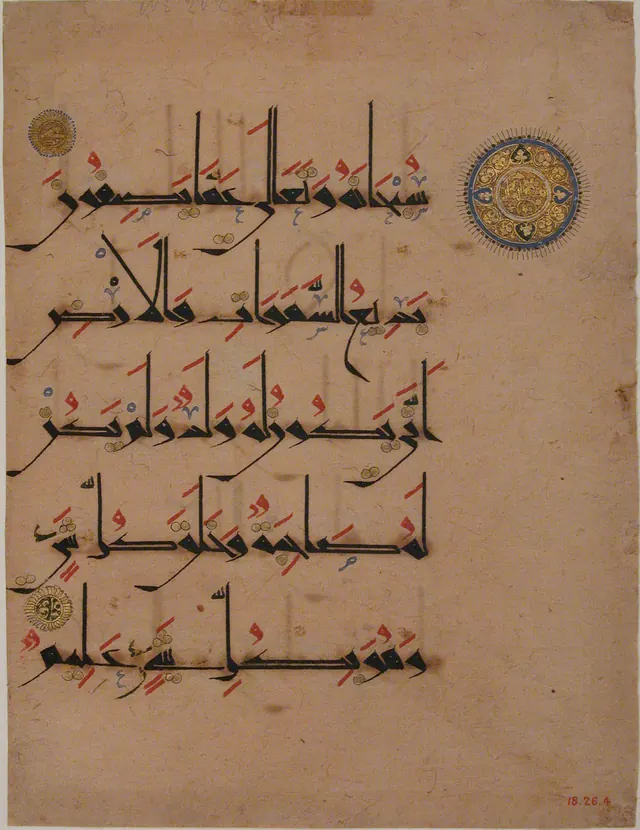
However, new discoveries, such as the Šan‘ā’ manuscripts, reveal many differences between these ancient manuscripts and the ‘Uthmānic codex. One example can be seen in Q 9.80. (Emphasis added in red to indicate difference):
(Arberry translation)
Ask pardon [forgiveness] for them, or ask not pardon for them; if thou askest pardon for them seventy times, God will not pardon them; that, because they disbelieved in God and His Messenger; God guides not the people of the ungodly.
Ask pardon [forgiveness] for them, or ask not pardon for them; if thou askest pardon for them seventy times, God does not pardon them; verily, God guides not the people of the ungodly.
اسْتَغْفِرْ لَهُمْ أَوْ لَا تَسْتَغْفِرْ لَهُمْ إِن تَسْتَغْفِرْ لَهُمْ سَبْعِينَ مَرَّةً فَلَن يَغْفِرَ الله لَهُمْ ذَٰلِكَ بِأَنَّهُمْ كَفَرُوا بِالله وَرَسُولِهِ وَالله لَا يَهْدِي الْقَوْمَ الْفَاسِقِينَ
اسْتَغْفِرْ لَهُمْ أَوْ لَا تَسْتَغْفِرْ لَهُمْ إِن تَسْتَغْفِرْ لَهُمْ سَبْعِينَ مَرَّةً لا يَغْفِرَ اللَّهُ لَهُمْ إن الله لَا يَهْدِي الْقَوْمَ الْفَاسِقِينَ
Questions: (1) If these early codices (with readings from Ibn Mas‘ūd, ‘Alī Ibn Abī Ţālib, ’Ubayy Ibn Ka‘b, etc.) cannot be considered “The Qur’ān” because they contain textual differences from the ‘Uthmānic codex, what are they and how should they be treated? (2) How should early Qur’ānic manuscripts of the Qur’ān, such as the Šan‘ā’ manuscripts, be classified when parts or verses may be completely different in script and meaning from the current Arabic Qur’ān?
Majority reading is yaģfažūnahu min ’amri Allahi (“[they] keep guard over him at the command of God”).
‘Alī Ibn Abī Ţālib, Ibn ‘Abbās, and others read bi (“by”) instead of the word min (“from” or “at”): “…to keep guard over him by the command of God….” A third reading uses min (“at”) instead of li (“for”).
Another reading attributed to Ibn ‘Abbās (min amri Allahi yaģfažūnahu) uses a different verb order: “…from the command of Allah they keep guard over him….”
<مِنْ بَيْنِ يَدَيْهِ وَمِنْ خَلْفِهِ >
قراءة الجمــاعة: <له معقبات مِنْ بَيْنِ يَدَيْهِ وَمِنْ خَلْفِهِ >.
قرأ أُبيّ بن كعب: «... مِنْ بَيْنِ يَدَيْهِ وَرَقِيبٌ مِنْ خَلْفِهِ».
وقرأ ابن عبـاس: «... مِنْ بَيْنِ يَدَيْهِ وَرقباءٌ مِنْ خَلْفِهِ».
وقرأ أبو حـــــاتم: «... من خلفه وَرقيبٌ مِنْ بين يديهِ».
فدور المُعَقَّبَات (أو «الملائكة» بحسب معظم المفسرين) غير واضح في هذه الآية لهذا أضاف أُبيّ وأبو حاتم كلمة «رَقِيب»، وابن عباس كلمة «رُقَبَاء» في قراءاتهم، لتفسير الدور المنوط بالمُعَقَّبَات. مما يدل على أن تدوين القرآن كان متأثراً بقناعة الكاتب الأدبية وليس بإلزام نص رباني. ويقول أبو حيان الأندلسي: «وينبغي حمل هذه القراءات على التفسير، لا أنها قرآن، لمخالفتها سواد المصحف الذي أجمع عليه المسلمون»، أي أن كل ما يخالف مصحف عثمان ليس قرآناً. هذا من جهة، ولكن من جهة أخرى، فإن ما جاءت به الأبحاث الجديدة في مخطوطة صنعاء تظهر أن ما جاء فيها يخالف مصحف عثمان، وكمثال على ذلك (التوبة 9: 80): «ذلك بأنهم كفروا بالله ورسوله والله لايهدي» بدلاً من <إن الله لا يهدي>:
الاختلافات بين المخطوطات القديمة للقرآن ومصحف عثمان: مثال (التوبة 9:80)
القراءة الشائعة للقرآن: "استغفر لهم أو لا تستغفر لهم سبعين مرة فلن يغفر الله لهم ذلك بأنهم كفروا بالله ورسوله والله لا يهدي القومَ الفاسقين".
مخطوطة صنعاء: "استغفر لهم أو لا تستغفر لهم سبعين مرة لا يغفر الله لهم إن الله لا يهدي القومَ الفاسقين".
ونتساءل: الادعاء بأن المصاحف التي تخالف مصحف عثمان، كمصحف ابن مسعود وأُبي وعلي بن أبي طالب وغيرها من المصاحف، هي ليست بقرآن، فماذا يمكن تسميتها إذًا؟ وماذا نوصف مخطوطات القرآن، كمخطوطة صنعاء، حينما تخالف تماماً معنى ورسم القراءة الشائعة للقرآن؟
<يَحْفَظُونَهُ مِنْ أَمْرِ اللهِ>
قراءة الجماعة: <يَحْفَظُونَهُ مِنْ أَمْرِ اللهِ >.
قرأ علي بن أبي طالب وابن عباس وآخرون: «يحفظونه بأمر الله».
وتوجد قراءة لابن عباس أيضًا: «من أمر الله يحفظونه» بتقديم وتأخير الفعل.
وتوجد قراءة أخرى: «يحفظونه لأمر الله».
في هذه القراءات يختلف المعنى باختلاف حرف الجر؛ فـ «من» تفيد الجنس والنوع هاهنا، و«الباء» تفيد الإلصاق المجازي، أما «اللام» فتفيد السببية والتعليل، وربما تفيد الاختصاص، أما القراءة الثالثة ففيها تقديم وتأخير. ومن هنا فإن هذه الاختلافات تشكك في صحة القول بوحدانية النص القرآني.
The word sawā‘iq (“thunder-clap”) was read by al-Ģasan al-Bašrī as sawāqi‘ (“thunder”), a possible example of linguistic metathesis. (For more discussion about these dialectical differences, see the comment on Q 2.19)
قرأ الحسن «الصَّوَاقِع»، بإبدال ترتيب آخر حرفين، وهو ما يسمى في اللغة «القلب المكاني». انظر (البقرة 19:2).
Among the various readings, different word choice—probably from scribal error—greatly affects meaning:
Current Arabic Qur’ān reads yay’ās (“despair”) with a hamza.
Majority reading is yay’as (“despair”) with a hamza.
Ibn ‘Abbās, ‘Alī Ibn Abī Ţālib, ‘Ikrima, ‘Āšim al-Jiģdarī, Ibn Mas‘ūd, Mujāhid, Sa‘īd Ibn Jubayr, ‘Abd Allah Ibn Kathīr, Ibn ‘Āmir, and others read yatabayan (“discern”).
The word yay’ās/yay’as in this verse, translated by Palmer and other translators as “know,” does not match the current Arabic Qur’ān and the majority readings, which use the word “despair.” Khalifa provides the closest meaning among the translators to these two readings: “Is it not time for the believers to give up and realize that if GOD willed….” (Khalifa trans.)
Islamic scholars claim that this word yay’ās/yay’as means “know” in the al-Nakh‘ dialect,but the highly regarded Arab scholar and linguist al-Kisā’ī rejects this explanation: “I have absolutely not found any Arabic use of despair to mean “know”. According to al-Ţabarī, there is a credible chain of narrators who state Ibn ‘Abbās read the verse with the word yatabayan (“discern”) instead of yay’ās/yay’as (''despair”) found in the current Arabic Qur’ān and the majority readings. Ibn ‘Abbās states that the scribe wrote the word while he (the scribe) was sleepy. Ibn Jurayj reports that the reading of Ibn ‘Abbās agrees with several other readings by prominent readers and major Companions, such as Muhammad’s son-in-law ‘Alī Ibn Abī Ţālib.
Regarding the reading and opinion of Ibn ‘Abbās (“discern”), several Islamic scholars offer their reactions: Abū Ģaīyān rejects the statement “that the scribe wrote this [word] while sleepy…[claiming it] is a statement of an unbelieving atheist". Al-Rāzī does not accept the statement about the opinion of Ibn ‘Abbās “because that would imply the current Qur’ān contains corruption ….”. Ibn Jurayj states that the authentication that al-Ţabarī provided concerning Ibn ‘Abbās “was utterly rejected by a group that has no knowledge of al-rijāl [science of the oral chain of authentication]".
It is clear that Ibn ‘Abbās was certain of the word change and sure enough to accuse the scribe of being sleepy. It is noteworthy that Ibn Mas‘ūd and a large number of readers support the reading of Ibn ‘Abbās as yatabayan (“discern”).
The disagreement over this verse’s wording in the variant readings was compounded with the compilation of the ‘Uthmānic codex, which inscribed the problematic expression as . Because the codex did not employ clarifying dotting and hamzas, this word could be read as yatabayan (يتبين or “discern”) or yay’ās/yay’as (/ييئس or “despair”). Notice that both the current Arabic Qur’ān and the majority readings include a hamza ! (See the article “Compilation of the Qur’ān”)
Questions: (1) What is the verse stating? Is it asking about the discernment of the believer concerning the hope of guiding the entire world to the religion of Islam? (2) Or, is it expecting that the believer should despair from trying to guide the world to Islam?
القراءة الشائعة: <أَفَلَمۡ >.
قراءة الجماعة: <أفلم يَيْئَس>.
وقرأ علي بن أبي طالب، وابن عباس وعكرمة، وعاصم الجحدري، وابن مسعود، ومجاهد، وسعيد بن جبير، وابن كثير، وابن عامر، وآخرون: «أفلم يَتبيَّن».
فسر معظم المفسرين <ييأس> بمعنى يعلم، بإدعاء أنها كذلك في «لغة النخع»، إلا أن الكسائي قد رد على هذا التأويل بقوله: «ما وجدت العرب تقول يئست بمعنى علمت البتة».
وقد روى الطبري بإسناد صحيح عن ابن عباس أنه كان يقرأها «أفلم يتبين»، ويقول ابن عباس: «كتب الكاتب الأخرى وهو ناعسٌ»، وأكد ابن جريج قراءة ابن عباس قائلاً: إن هذه القراءة جاءت عن عدة قرَّاء منهم علي ابن أبي طالب وابن عباس وغيرهم. وقد دار حول قول ابن عباس مايلي:
من الواضح أن ابن عباس كان متأكدًا من تغيير الكلمة وواثقًا من نفسه حتى اتّهم الكاتب بالنعاس. وما يُثيرالانتباه أن ابن مسعود وعددًا كبيرًا من القرّاء أيَّدوا قراءة ابن عباس: يَتبيَّن من بَيَّنْتُ. وتوضح هذه القصة أنه قبل كتابة مصحف الإمام (مصحف عثمان) كانت العبارة هكذا: <> وبالتالي يمكن قراءتها كما يلي:
على الرغم من أن «يتبين» هي الكلمة الأنسب للسياق في هذه الآية، لكن بالرجوع إلى رسم هذه الكلمة في المصحف وأيضًا في المخطوطات القديمة، نجد أن كلمة <>، وبغض النظر عن موضع الألف، لايمكن قرائتها «ييأس» لأن الهمزة ليس لها كرسي، وبالتالي يبدو أن الكاتب كتبها «يأنس» بدلاً من الكلمة الأصلية: «يتبين».
والسؤال هنا: ما المقصود في الآية؟ هل هو «أفَلَمْ يَتبيَّن» التي توضح حال المؤمن المسلم في الرجاء بهداية الناس جميعاً لدين الإسلام، أو <أفَلَمْ > التي تدل على اليأس من الهداية؟