By transmission
Readings the commentary discusses
Commentaries that discuss a reading of each transmission, of 334. One commentary can discuss several.
Commentary on variant readings: what a different reading does to the meaning, who read it, and where it is recorded. Each verse is shown in the Ḥafṣ text, unchanged.
Commentaries that discuss a reading of each transmission, of 334. One commentary can discuss several.
Of 334 commentaries.
Among the various readings, ambiguity concerning the singularity or plurality of words affects meaning:
Current Arabic Qur’ān reads li’amānātihim (“[for] their trusts”), in the plural.
Nāfi‘ and ‘Abd Allah Ibn Kathīr read li’amānatihim (“for their trust”) in the singular. Al-Rāzī states, “[K]now that the thing that is entrusted and the thing that is covenanted are called a trust and a covenant”. In the ‘Uthmānic codex, the transcription for this expression “for their trust(s)” does not resolve whether the word should be singular or plural; the alif (ا) after the consonant nūn (ن) in Arabic, which would make it plural, is not found in the script here or in Q 70.32 (where the same word is transcribed the same way, or). However, the phrase “and…their…covenant” is in the singular, as can be seen in the translations of Pickthall, Sale, Arberry, and others that agree here with the Arabic. There is no wāw (و) in the ‘Uthmānic transcription in the word “covenant,” which would make the word plural, or “covenants.” The word “observe” in Q 23.8 encompasses every covenant and trust. Since the fellows of paradise (Q 23.10-11)—a title given to those holding a high rank in al-Janna—are carrying out this observation, these fellows must be trustworthy with everything.Because the ‘Uthmānic script does not resolve whether the expression is “trust” or “trusts” while the word “covenant” is clearly singular, it indicates that the intent is the kind of task—meaning, it covers all covenants. Therefore, the expression in question () may well be in the singular, or “trust,” which encompasses all sorts of trusts.
القراءة الشائعة للقرآن: <لِأَمَانَاتِهِمْ> بالجمع.
بينما قرأ نافع وابن كثير: «لِأَمَانَتِهِمْ» بالإفراد.
الرسم العثماني لهذه الكلمة "لامسهم"، لا يجزم إن كانت بالإفراد، أم بالجمع، وذلك لعدم تثبيت (إظهار) ألف المد بعد النون، سواء هنا أو في (المعارج 32:70). إلا أن المفردة المعطوفة عليها <وعهدهم> جاءت بالإفراد. والرعاية في آيتنا هنا <...رَاعُونَ> تشمل كل عهد وأمانة. فواضحٌ أن المقصود هو جنس العمل، أي أنه يشمل كل العهود. وبالتالي، فمن المرجح أن تكون الكلمة بالإفراد <لِأَمَانَتِهِمْ>، حيث تشمل في هذه الحالة كل الأمانات.
Among the various readings, differences in wording affect this description of human embryonic development:
Current Arabic Qur’ān reads thumma khalaqnā al-nuţfata ‘alaqatan fa-khalaqnā al-‘alaqata muďghatan fa-khalaqnā al muďghata ‘ižāman fa-kasawnā al-‘ižāma lahman (“then we created the clot congealed blood, and we created the congealed blood a morsel; then we created the morsel bone, and we clothed the bone with flesh; then we produced it another creation….)”
Ibn Mas‘ūd read thumma ja‘alnā al-nuţfata ‘ažman wa ‘ašaban fa-kasawnāhu lahman (“then we made the congealed blood a bone and a nerve and we clothed it with flesh…”).
Ibn Mas‘ūd read (according to al-Ţabarī) thumma khalaqnā al-nuţfata ‘ažman wa ‘ašaban fa-kasawnāhu lahman (“then we created the congealed blood a bone and a nerve and we clothed it with flesh…”), with the pronoun “it” in kasawnāhu (“we clothed it”) referring to the infant.
Ibn Mas‘ūd read (according to Ibn Khālawayh) fa-kasawnāhu al-‘ižāman lahman wa ‘ašaban (“and we clothed the bones with flesh and nerve...”).Muslim exegetes unanimously agree that the word al-‘alaqa in the verse means “a piece of [congealed] blood,” and the word al-muďgha means “a piece of flesh”.
The three major readings of Ibn Mas‘ūd for this verse have the following variances:
They do not have the repetitive phrasing found in the current Arabic Qur’ān reading, i.e., “then we…and we created…then we created….”
Some of the stages of embryonic development that were known in that time period and mentioned in the current Arabic Qur’ān are missing.
They mention adding sinew to the flesh, which is not mentioned in the current Arabic Qur’ān reading. Question: Can the Qur’ān’s description of the development of the embryo be considered a scientific explanation?. This question is important because the majority of Muslims who believe in the Qur’ān maintain that Allah was the first to reveal scientific facts, revealing them in this book as proof to believers that the Qur’ān is indeed a divine book from him. The Qur’ān’s description of the development of the embryo is one of the most famous examples offered as evidence for the scientific i‘jāz (“inimitability”) of the Qur’ān. This teaching, the inimitability of scientific wonders of the Qur’ān, is promoted and propagated by Muslims who believe that these “scientific” verses are proof that Allah reveals mysteries that were not known to the people who lived in the seventh century AD.
القراءة الشائعة للقرآن: <ثُمَّ خَلَقْنَا النُّطْفَةَ علقة فخلقنا العلقة مضغة فخلقنا المضغة عظاما فكسونا العظام لَحْمًا...>.
قرأ ابن مسعود: «ثُمَّ جَعَلَنَا النُّطْفَةَ عَظْمًا وَعَصَباً فَكَسَوْنَاهُ لَحْمًا...».
وعند الطبري عن ابن مسعود: «ثُمَّ خَلَقْنَا النُّطْفَةَ عَظْمًا وَعَصَباً فَكَسَوْنَاهُ لَحْمًا...»؛ «الهاء» في كلمة «فكسوناه» هي ضمير مستتر تقديره الجنين.
وعند ابن خالويه: عن ابن مسعود: «...فَكَسَوْنَا الْعِظَامَ لَحْمًا وَعَصَباً...».
أجمع علماء التفسير على أن العلقة «هي القطعة من الدم» والمضغة «هي القطعة من اللحم». وتتميز قراءات ابن مسعود بالتالي:
تخلو من التكرار الموجود في القراءة الشائعة للقرآن: <خَلَقْنَا...فَخَلَقْنَا...فَخَلَقْنَا...>.
لم تُدرِج بعضَ المراحل التي كانت معروفة في ذلك العصر، والمذكورة في القراءة الشائعة.
تتحدث عن إضافة العصب إلى اللحم، وهو مالم تذكره القراءة الشائعة.
والسؤال الذي يطرح نفسه: هل التوصيف القرآني لعملية تطور الجنين يمكن اعتباره وصفاً «علمياً»؟
أما عن السبب في طرح هذا السؤال، فلأن معظم المؤمنين بالقرآن يعتقدون أن الله سبَّاق في الإعلان عن الحقائق العلمية في هذا الكتاب «السماوي»، لجعل المؤمن به يتأكد أنه حقاً كتاب من عند الله، بحيث إن وصف تطور الجنين هو من بين أشهر أدلة «الإعجاز» العلمي القرآني الذي يروج له المسلمون الذين يعتبرون أن هذه الآيات العلمية دليل على أن الله يكشف عن أسرار، لا يعلمها أناس عاشوا في القرن السابع الميلادي!
Tanbutu belduhn ("Which produces oil")
The majority reading Tanbutu belduhn ("produces oil")
Abi Ibn Ka'ab reads: Tuthmir belduhn ("germinates oil")
Ibn Mas‘ūd read: Tukhreg Elduhn ("brings out oil")
According to Al-Tabari, the preposition ba occurring as a clitic in the word "oil" is unnecessary addition; as we can say in Arabic "I took his garment" (with no ba before garment) or "I took (ba) his garment." However, the preposition "ba" is not the only problem. The Arabic word Duhn ("oil") is posing another challenge as oil is not germinated or produced from a tree but extracted (e.g. from olives). When reflecting upon the extra ba preposition, one could conclude that a word may be missed between the verb Tanbut ("produce") and Duhn ("oil"). We notice that Al-Tabari brings up that meaning in phrasing the sentence as: "This tree produces the fruit of oil." It seems that the word "fruit" or a synonym may have been omitted from the original text of the Qur'an. So, a fuller reading would be: "produces the fruit or seed of oil."
Islamic commentaries are not clear if Ibn Mas‘ūd reading contains the phrase "springing out of Mount Sinai." If that is the case, it would be poor Arabic wording as the verbs "spring out and produce" (these the same verbs in Arabic here) are repeated in the same sentence. The text likely used to read: "a true produces oil and relish for those who use it for food." It is known that olive trees have never grown on the mount of Sinai at any time. The Qur'an supports that interpretation as it tells us in 3 verses that God gave the Israelites Al-Manna and quails. If there were olive and trees, why would there be a need for Manna and quails?
Islamic scholars realized this issue so they attempted various interpretations for "Mount of Sinai". For example, Al-Tabari and Al-Qurtubi list several possibilities for "Mountain of Sinai" and "Sinai":
Mount of Sinai:
Sinai:
Katadah: means "beauty" In such a case, the Tor should be treated as a nominative (as beauty becomes the adjective)
Mujahid: means "blessed"
Firqah: means "trees" In such a case, Tor should be treated as nominative
Popular: The name of the mount (like when you say "Mount of Kelemangaro")
Also, Mujahid: A specific stone used in a genitive structure with the Mount.
Muqatil: Every mount carrying fruits is considered "Sinai" (which is "beautiful"
In light of these many diverse interpretations of "Mount of Sinai" and Sinai, where can we find the eloquence in that verse?
"… and relish for those who use it for food."
The majority reading: "…and relish for those who use it for food."
Amer Ibn Abd Qais reading: "and to be dipped into by those who want to eat it." Ibn 'Ashour said: Al-Sebgh ("the dye") is what is used to change the color of something. Oil is a dye because it changes the color when we dip bread into it. The new meaning suggested by Ibn Qais only emphasizes that he found the word unacceptable as it is not matching with how the word is written in Al-Mushaf nor being synonymous with the word "relish." The reality is that word choices of original readers of the Qur'an were not governed by specific guidelines. That calls into question the idea that they perceived the Qur'an as a holy text.
<تَنْبُتُ بِالدُّهْنِ>.
القراءة الشائعة للقرآن: <تَنْبُتُ بِالدُّهْنِ>.
وقرأ أُبي بن كعب: «تُثمِر بالدهن».
وقرأ ابن مسعود: «تُخْرِجُ الدُّهْنَ».
أشار الطبري إلى رأيٍ يقول إن «الباء <بِالدُّهْنِ> في هَذَا الْمَوْضِع زائدة، كما قيل: أَخَذْتُ ثَوْبَه وَأَخَذْتُ بِثَوْبِهِ»، فالباء لا شك أنها زائدة كما ذكر الطبري، وليس لها ما يبررُ وجودها في هذه الآية <تَنْبُتُ بِالدُّهْنِ>. ولكن المشكلة ليست فقط في الباء الزائدة، وإنما في كلمة <الدُّهْنِ> أيضًا، فالدّهن لا ينبت، وإنما يُستخرجُ من الزيتون مثلاً، مما يُوحي لكل متأملٍ في أمر هذه الباء أن هناك كلمة سقطت، وكانت تقع بين فعل<تَنْبُتُ> ولفظة <الدُّهْن>. ونلاحظ أن الطبري أتى بهذا المعنى في قوله: «تَنْبُتُ هذه الشجرةُ بثمرِ الدُّهْنِ». ويبدو أن كلمة «ثمر»، أو كلمة مرادفة لها، قد تكون سقطت من النص الأصلي للقرآن، وبالتالي، يصبح تقديرُ الآية: «تَنْبُتُ ثمرَ الدُّهْنِ» أو«تَنْبُتُ حَبَّ الدُّهْنِ».
لا يتضح من المراجع الإسلامية إن كانت قراءة ابن مسعود تشمل عبارة <من طور سيناء> أم لا؟ فإذا كانت تشمل هذه العبارة، تكون هذه القراءة ركيكة لتكرار كلمة «تخرج» كالتالي: «وشجرةً تخرج من طور سيناء تخرج الدهنَ وصبغًا للآكلين». أما إذا قُرءت دون هذه العبارة: «وشجرةً تخرج الدهنَ وصبغًا للآكلين»، وهذا هو الأرجح، إذ من المعلوم أن شجر الزيتون لم يكن موجودًا في أي زمن من الأزمنة في طور سيناء، والدليل على ذلك أن القرآن نفسه يخبرنا في ثلاث آيات أن اللهَ أنزل على بني إسرائيل المن والسلوان، فإن كان هناك زيتون وأشجار ، فما الداعي لإنزال المن والسلوان؟
وقد انتبه علماء الإسلام لهذه المعضلة، فحاولوا تأويل <طور سيناء> بشتى أنواع التأويلات، ذكر الطبري والقرطبي الكثير منها عن كلٍ من «طور سيناء» و«سيناء» كما يلي:
الجبل الذي كلم الله عليه موسى.
جبل الطور الذي بالشام.
جبل بيت المقدس.
جبل ممدود بين مصر وبين أيلة.
جبل ذو شجر.
معناه الحسن، عن قتادة. ويلزم على هذا التأويل أن ينون الطور على النعت.
معناه مبارك ، عن مجاهد.
معناه شجر، عن فرقة. على هذا التأويل أن ينون الطور.
هو اسم الجبل، عن الجمهور؛ كما تقول جبل أحد.
حجر بعينه أضيف الجبل إليه لوجوده عنده، عن مجاهد أيضا.
كل جبل يحمل الثمار فهو سيناء (أي فهو حسن)، عن مقاتل.
اسم أعجمي، كما زعم الأخفش.
في ظل هذه التأويلات العديدة والمتنوعة عن «طور سيناء»، و«سيناء» فأين البيان في هذه الآية؟
<وَصِبْغٍ لِلْأَكِلِينَ>
القراءة الشائعة: <وَصِبْغٍ لِلْأَكِلِينَ>.
وقرأ عَامِر بْن عَبْد قَيْس: «وَمَتَاعاً لِلْأَكِلِينَ».
قَالَ ابن عاشور: «والصِّبْغ بكسر الصاد ما يصبغ به أي يغير به اللّون...وسُمي الزيت صِبغاً لأنه يصبغ به الخبز». ولجوء عامر بن عبد قيس لاستخدام تعبير جديد لا يوافق رسم المصحف ولا يترادف مع معنى كلمة <صبغٍ>، يؤكد أن هذه الكلمة لم تكن مستساغة له. والواقع فاختيار القراء الأوائل لكلمات النص القرآني لم تكن تخضع لضوابط محددة، مما يشكك في نظرتهم لقدسيته.
Among the various readings, differences in the readings appear to be affected by different vowel endings in the Qur’ānic manuscripts:
Majority reading is al-mala’ū(a) (“the chiefs”).
Hamza and Hishām read al-malawū (“the chiefs”).
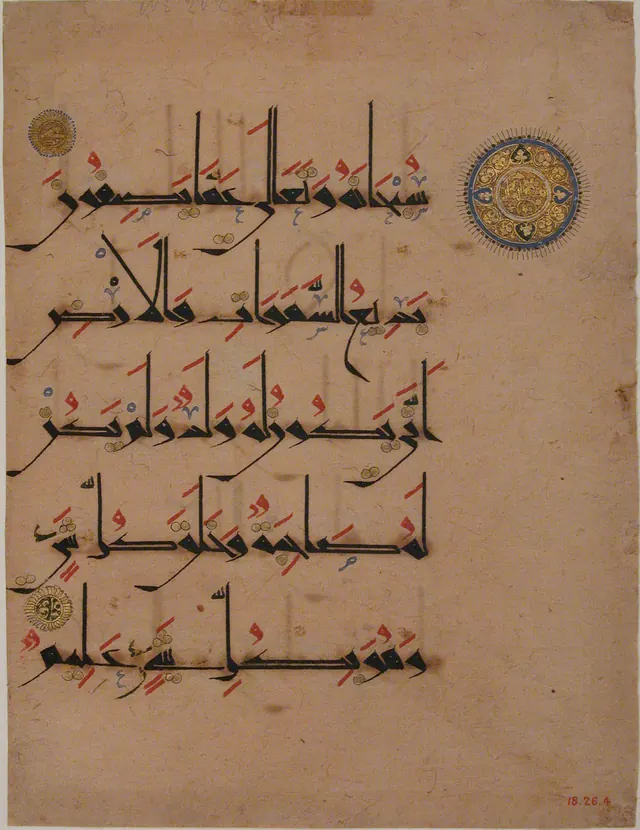
The scripted al-mala’ū(a) or ٱلۡمَلَؤُاْ (“the chiefs”), appears in two forms in the ‘Uthmānic codex:
al-mala’ū(a) (الْمَلَؤُا) with the ending vowel wāw (و), as in Q 23.24
al-malā’u (الْمَلَأُ) with the ending vowel alif (ا), as in Q 23.33
No convincing explanation is given by Islamic scholars as to when the ending vowel should be a wāw or an alif. Perhaps these differences in the ‘Uthmānic codex have affected the reading of Hamza and Hishām, and the same problem is repeated in several places in the Qur’ān.
One example of this problem is Q 5.18: Wa qālati al-yahūdu wa al-našāra naģnu abnā’ū(a) Allahi wa aģibba’ūhu… (“But the Jews and the Christians say, ‘We are the sons of God and His beloved’...” ). By studying the early manuscripts, one sees that the word abnā’ū(a) (أَبْنَؤُا) in this verse is scripted with a wāw in the ‘Uthmānic codex, while the Cairo manuscript shows instead the same word scripted with an alif ().
The same problem exists in another verse, Q 26.6, in the same manuscripts: Fa-qad kadh-dhabū fa-saya’tīhim anbā’ū(a) mā kānū bihi yastahzi’ūna (“They have called (thee) liar! but there shall come to them a message of that at which they mocked”). The word anbā’ū(a) (أَنۢبَٰٓؤُاْ) is scripted in the Cairo manuscript with an alif (ا) but scripted with a wāw (أَنْبَؤا) in the ‘Uthmānic codex. Question: What is the explanation for these different vowel endings with the wāw (و) and alif (ا) in the various Qur’ānic manuscripts and the ‘Uthmānic codex?
قراءة الجماعة: «ٱلۡمَلَؤُاْ».
قرأ حمزة وهشام: «الْملَوُ».
كلمة <ٱلۡمَلَؤُاْ> وردت في رسم المصحف على صورتين:
<الملوا>: كما في سورة المؤمنين في الآية التي نحن بصددها، <فقَالَ الْمَلَؤُا الذين كفروا>.
<الملا>: كما في الآية 33 من نفس السورة، <وَقَالَ الْمَلَأُ من قومه>.
دون أي تفسير قطعي مقنع يُبَيِّن متى تكون ألفًا، ومتى تكون واوًا! ولعل الاختلاف في الرسم العثماني هو الذي أثر في قراءة حمزة وهشام، ونفس الإشكالية تكررت في مواضع عدة بالقرآن.
وبدراسة المخطوطات القديمة؛ فعلى سبيل المثال ففي الآية <وَقَالَتِ الْيَهُودُ وَالنَّصَارَى نَحْنُ أَبْنَؤُا اللهِّ وَأَحِبَّؤُهُ>، نجد كلمة <أبناءُ> بحسب رسم المصحف <> بالواو، أما في مخطوطة القاهرة، فقد جاءت نفس الكلمة بالألف <>!
كما تصادفنا نفس الإشكالية في ذات المخطوطة عند كلمة <فَقَدْ كَذَّبُوا فَسَيَأْتِيهِمْ أَنۢبَٰٓؤُاْ مَا كَانُوا بِهِ يَسْتَهْزِئُونَ> (الشعراء 26: 6)، فنجد كلمة <أَنْبَاءُ> قد وردت في المخطوطة بالألف <>، بينما وردت بالواو<> في رسم المصحف!
ويبقى السؤال على ما هو عليه: ما تفسير ورود هذه الكلمات بالألف أحيانًا، وبالواو أحيانًا أخرى، في مخطوطات القرآن؟ ولماذا تَرِدْ الكلمة بالألف تارة، وبالواو تارة أخرى دون أية قاعدة ثابتة؟
Among the various readings, the same word may be pronounced differently, suggesting different language origins:
Current Arabic Qur’ān reads hattā (“for a time”). (Palmer’s translation is “for a season.”)
Ibn Mas‘ūd read ‘attā (“for a time”).
القراءة الشائعة:<حَتَّى حِينٍ>.
وقرأ ابن مسعود «عَتَّى حِينٍ» بالعين، في الآيتين (المؤمنون 23:25،54).
انظر التعليق على قراءات (يوسف 12: 35).
Among the various readings, the use of repetition suggests unnecessary redundancy and diminishes the eloquence of the Qur’ānic text:
Current Arabic Qur’ān repeats the word ‘annakum (“that ye shall”) twice. The first incidence occurs after “Does he promise you…” and is often not found in the English translations (including Palmer). The second incidence occurs after the word “bones”.
Ibn Mas‘ūd read ‘annakum once, after the word “bones”.
In explaining the current Arabic Qur’ān reading, al-Ţabarī states that “if you were to remove the first or the second ‘annaka it would be correct, and if they were both kept, it would be correct. But, if nothing came between the two [‘annaka], it would not be proper”.
Therefore, if the first ‘annakum was omitted, based on al-Ţabarī’s explanation, then one of the ‘annakum in the verse is extra. This view explains why Ibn Mas‘ūd chose not to include the unnecessary repetition found in the ‘Uthmānic codex by reading only one ‘annakum in Q 23.35 to remove the redundancy of the word in verse 35 (twice) but also a third repetition in the preceding verse (34). Thus, his reading is smoother, free of the unjustifiable redundancy found in the ‘Uthmānic codex.
القراءة الشائعة للقرآن: <أَيَعِدُكُمْ أَنَّكُمْ إِذَا مِتُّمْ...أَنَّكُمْ مُخْرَجُونَ>.
وقرأ ابن مسعود: «أَيَعِدُكُمْ إِذَا مِتُّمْ...أَنَّكُمْ مُخْرَجُونَ»، دون <أَنَّكُمْ> الأولى.
في تفسير هذه الآية، قال الطبري: «إِنْ حَذَفْت «أَنَّك» الْأُولَى أَوِ الثَّانِيَة صَلَحَ، وَإِنْ ثبَتا صَلَحَ، وَإِنْ لَمْ يُعْتَرَضْ بَيْنهمَا بِشَيْءٍ لَمْ يَجُزْ. خَطَأٌ أَنْ يُقَال: أَظُنّ أَنَّك أَنَّك جَالِسٌ».
وعليه: إذا صحت القراءة دون <أَنَّكُمْ>، سواءً الأولى أو الثانية، كما أقر الطبري، تكون <أَنَّكُمْ> الأولى أو الثانية زائدة في قراءة المصحف. ولذا فقراءة ابن مسعود، دون <أَنَّكُمْ> الأولى، لم تقع في الإشكالية الواردة في مصحف عثمان بتكرار <إنَّكُمْ>، و<أَنَّكُمْ> ثلاث مرات في آيتين فقط (المؤمنون 23 :34-35). فتكون بذلك قراءته أكثر بلاغة، وسلاسة.
Among the various readings, the same word may be pronounced differently, suggesting different language origins:
Current Arabic Qur’ān reads hattā (“for a time”). (Palmer’s translation is “for a season.”)
Ibn Mas‘ūd read ‘attā (“for a time”).
القراءة الشائعة:<حَتَّى حِينٍ>.
وقرأ ابن مسعود «عَتَّى حِينٍ» بالعين، في الآيتين (المؤمنون 23:25،54).
انظر التعليق على قراءات (يوسف 12: 35).
Among the various readings, the inclusion of the hamza questions authenticity:
Majority reading is yaj’ārūn (“they cry for aid”) with the hamza (ء), shown here in English with an apostrophe.
Hamza read yajarūn (“they cry for aid”).
There is no alif (ا) or its semblance in the ‘Uthmānic codex transcription here for that would indisputably prove the existence of a hamza. If a hamza was part of this word, then the meaning of it would be “to plead with Allah and cry out to him in prayer of supplication”.
Regarding this word yaj’ārūn in the majority reading, some Islamic scholars suggest these interpretations to describe the action of the “affluent ones” in this verse:
They are crying for help.
They are screaming.
They are making loud noises.
They are raising their voices, bellowing like a bull.
They are panicking.
As demonstrated, the word yaj’ārūn has several meanings. However, in this word there was no alif in the early Qur’ānic manuscripts, and, furthermore, the hamza was not yet introduced to Arabic writing. According to Ibn ‘Umar (son of the second caliph ‘Umar), “The Prophet of Allah [ Muhammad]...never used the hamza and also Abū Bakr, ‘Umar, and the rest of the [early] caliphs, and the hamza is a heresy that was invented after them”.
Thus, the origin of the word likely must have been yajarūn because it agrees with the ‘Uthmānic codex transcription for it does not include either the alif or the hamza.
قراءة الجماعة: <>.
وقرأ حمزة: «يَجَرُونَ»، والتي تفيد نفس المعنى.
رسم المصحف لهذه الكلمة <>، لا يوجد به أي نبرة أو كرسي للهمزة، لإثباث وجودها. ولذا عندما أقحمت الهمزة تعسفًا على الكلمة، صارت غريبة الشكل، على النحو التالي <>!
وإذا سلمنا جدلاً بوجود الهمزة «يَجْأَرُونَ»، فمعنى ذلك، بحسب لسان العرب: «يتضرّعون إلى الله ويصرخون إليه بالدعاء». وقد فسرها بعض أهل التأويل كما يلي:
يستغيثون.
يصرخون.
يضجون.
يرفعون أصواتهم كما يجأر الثور.
يجزعون.
كما رأينا، فكلمة «يَجْأَرُونَ» لها عدة معاني. وإضافة الهمزة دون وجود كرسيٍ لها في رسم المصحف، لهو ليٌّ لعنق الحقيقة، وبالتالي الآية، بهدف إيجاد معنى يوافق السياق.
وعليه، فلا شك أن أصل الكلمة، كما قرأ حمزة، هو «يَجَرُونَ»؛ وذلك لتطابقها مع رسم المصحف.
Among the various readings, differences in the choice of the second-person pronoun (singular or plural “you”) affect meaning:
Majority reading is sāmiran (“[you] talking idle talk at night”) in the singular, which means one person is talking. (The Arabic language separates the personal pronoun “you” into singular, dual, and plural forms.)
Ibn Mas‘ūd, Ibn ‘Abbās, and others read summarān (“[you] talking idle talk at night”) in the plural, which means a group of people is talking. (The word summarān is the plural of sāmir.
Ibn ‘Abbās also read summāran (“[you] talking idle talk at night”), the plural of sāmir.
It has also been read summaran (“[you] talking idle talk at night”), which could be the plural of either samīr or sāmir.
With the exception of the majority reading, all the readings of this word use the plural form of samīr or sāmir, which aligns with the context of the verse. In using the singular form (sāmiran) the majority reading does not take into consideration the phrase mustakbirīna bihi (“big with pride at it”) nor the following phrase tahjurūna (Khalifa trans. “you definitely disregarded them”), both of which use the Arabic plural form. Accordingly, the readings with the plural form are more appropriate. Still, all the readings do not resolve the ambiguity regarding the verse’s meaning.
One of the verse’s problems concerns the phrase mustakbirīna bihi (“big with pride at it”), which indicates a stance of being proud and arrogant. However, this phrase does not include the target of this attitude. What is the antecedent for “it” in bihi (“at it”)? This missing antecedent prompted Islamic scholars to suggest that it is the Sacred Mosque (Masjid al-Haram) to explain bihi (“at it” ), when this place was controlled by idolaters, who offered their sacrifices to and worshipped their idols there.
However, this suggestion is misguided, as nothing in the context surrounding this verse refers to the Sacred Mosque. As a matter of fact, the context refers to the Qur’ān: “My signs [the Qur’ān] were recited to you” (verse 66) and “Is it that they did not ponder over the words [the Qur’ān], whether that has come to them which came not to their fathers of yore?” (verse 68). (Al-Ţabarī and Ibn Kathīr confirm that the referent in verse 68 is the Qur’ān.)
But if the verse’s context is really about the Qur’ān, it would be illogical for these idolaters to be “big with pride” about the Qur’ān because they did not believe in Islam. Likely, the problematic word sāmiran in the phrase bihi summaran (“in it [you] talking idle talk”) originally was bihi shamaran, which means “in it you misbelieve.” With the undotted early Qur’ānic codices, the word shamaran became incorrectly dotted during later transcriptions. This word shamaran derives from the Chaldean word shamara (). It means “seduced” or “misled”. With this correction, the meaning of the verse would be “they were misled from it (the Qur’ān) and disregarded it with pride” or “at it (the Qur’ān) they misbelieved and proudly disregarded it”.
قراءة الجمهور: <سَامِرًا>.
قرأ ابن مسعود وابن عباس وآخرون: «سُمَّراً»، جمع «سامر».
وقرأ ابن عباس أيضاً: «سُمَّاراً»، وهو جمع «سامر».
وقرىء: «سُمْراً»، ويجوز أن يكون جمع «سمير» أوجمع «سامر».
كل قراءات هذه الكلمة جاءت بصيغة الجمع، متماشية مع سياق الآية، إلا قراءة الجمهور التي جاءت بالإفراد <سَامِرًا>، دون مراعاة لما قبلها <مُسْتَكْبِرِينَ>، وما بعدها <تَهْجُرُونَ>! وعليه، فالقراءة بالجمع هي الأرجح، لكن يبقى الغموض قائمًا في معنى الآية مع كل هذه القراءات.
وبالرجوع إلى سياق الآية، نجد كلمة <مُسْتَكْبِرِينَ>، والتي تفيد التفاخر، والكبرياء لكن الإشكالية في عبارة <مُسْتَكْبِرِينَ به>، حيث لايتضح على ماذا تعود الهاء؟ ولذا فقد أقحم علماء الإسلام البيت الحرام لتبرير وجود الهاء أي أن هؤلاء «المترفين (الكفار)»، يفتخرون بالبيت الحرام الذين هم ولاته، والقائمون عليه، إلا أن هذا الإقحام في غير محله، حيث لايوجد في الآيات ما يفيد وجود البيت الحرام! وواقع الأمر أن في السياق إشارة للقرآن. سواءً في الآية السابقة: <قد كانت آياتي تتلى عليكم...>، أو في الآية اللاحقة: <أَفَلَمْ يَدَّبَّرُوا الْقَوْلَ...>، والتي أجمع المفسرون على أنها تفيد «القرآن». وحيث أنه من غير المعقول أن يتفاخر هولاء «الكفار» بالقرآن، فالأصح أن <به> تعود على ما بعدها <سمرًا>. وكون هؤلاء يكفرون بالقرآن، فمن الأرجح أن <به سمَّرًا>، هي في الأصل «به شمَّرًا»، أي «به كفروا»، أو«ضلوا عنه»، حيث أن جذر الكلمة بالكلدانية هو «شمر» ܫܡܪ، وتأتي بمعنى: «أغوى»، و«أضلَّ». ليصبح معنى الآية: «ضلوا عنه (عن القرآن) وهجروه مستكبرين»، أو «به (بالقرآن) كفروا وهجروه مستكبرين».
Among the various readings, differences in word choice affect meaning:
Current Arabic Qur’ān reads al-šūri (“the trumpet shall be blown”), which uses a singular noun.
Ibn ‘Abbās, al-Ģasan al-Bašrī, and Ibn ‘Ayyāď read al-šūwarī (“the forms blown into [by angel’s breath]”), a reading that uses a plural noun.
According to the majority of Islamic scholars, this verse is speaking about the Day of Judgment or the Coming of the Hour, and that an angel named Israfil shall blow twice: (1) The first blowing is for the cessation of being and (2) the second blowing is for the resurrection into being.
The reading of Ibn ‘Abbās, al-hasan al-Bašrī, and Ibn ‘Ayyād differs from the current Arabic Qur’ān reading because it uses a plural noun that represents organic beings. Unlike the Qur’ān’s reading, their reading of this verse means the angel will blow the breath of life into the dead bodies. Al-Rāzī supports this explanation with his comments concerning a similar verse, Q 20.102 (“On the day when the trumpet shall be blown…”). He mentions that al-hasan al-Bašrī read al-šūwarī there (and not al-šūri or “the trumpet”), with the meaning that “the spirit will be blown into the dead bodies”. (Al-Khaţīb reports that Ibn ‘Abbās, al-hasan al-Bašrī, and Ibn ‘Ayyāď all read Q 20.102 with the word al-šūwarī.)
In fact, these readers’ use of the word al-šūwarī to mean “the forms or images” is not limited to this one verse. These readers—and others—together or in part, consistently use al-šūwarī to mean “the forms or images” instead of the singular inanimate object “trumpet” in similar verses.
Despite the obvious agreement of several reputable readers that the word in question is al-šūwarī (and means “the forms or shapes”), support for the word al-šūri by Islamic scholars remains steadfast. Ibn Manzūr (d. AH 711/AD 1311) mentions that the Muslim scholar Abū al-Haytham (d. AH 226/AD 840) rejected the reading of Ibn ‘Abbās (d. AH 68/AD 687), al-hasan al-Bašrī (d. AH 110/AD 728), and Ibn ‘Ayyāď; he even claimed that it was a grave mistake, a distortion of Allah’s words. Abū al-Haytham added that whoever read it as “And when, al-šūwarī [meaning, “the forms”] shall be blown [into]…” was lying and changing Allah’s book.
Some Islamic scholars, such as al-Qurţubī (d. AH 671/AD 1273), hold the opinion that the angel shall blow into a horn of light. They point to Muhammad, who stated that the trumpet is a horn. Some people object and deny that the trumpet is a horn.
Others note that būq and abūāq are the common Arabic words for trumpet and trumpets, respectively. (Even Ibn Manzūr includes these words in his lexicon). Some linguistic scholars state that al-šūri is actually the plural form of al-šūra, which means “the image”. Even if al-šūri means “the trumpet” in the Qur’ān, according to Islamic scholars, this definition for this word is apparently unique to the Qur’ān.
Readers’ Use of al-šūwari (“forms/images/shapes”)
Note: Al-Khaţīb mentions that al-šūwarī means “spirits or forms of human beings.”
Note: Abū Haīyān defines al-šūwarī, “which means Allah returns spirits to the bodies [forms].
The trumpet’s description may have been inspired from the New Testament: “in a flash, in the twinkling of an eye, at the last trumpet. For the trumpet shall sound, the dead will be raised imperishable, and we will be changed” (NIV, 1 Cor. 15.52; compare with Rev. 8-11.). Perhaps Islamic scholars were influenced by these passages, as Christianity was prevalent during and after Muhammad’s time in the Arabian Peninsula. The current Arabic Qur’ān reading fails to provide evidence that al-šūri means “the trumpet” in the Arabic language. On the other hand, the reading of Ibn ‘Abbās, al-hasan al-Bašrī, and Ibn ‘Ayyād uses a well-known Arabic word that fits the context of this verse without contrivance. Furthermore, many of these readers, especially the esteemed Ibn ‘Abbās, were Companions of Muhammad, which makes them all closer to the source of the Qur’ān than their critics, i.e., Abū al-Haytham and Ibn Manzūr, etc. who lived centuries after Muhammad’s death.
القراءة الشائعة: <فِي الصُّورِ>.
وقرأ ابن عباس والحسن وابن عياض: «في الصُّوَرِ» بفتح الواو.
ومعنى «الصور» بحسب علماء الإسلام هو كما يلي:
قراءة العامة: الصور هو «قَرْن مِنْ نُور يُنْفَخ فِيهِ، النَّفْخَة الْأُولَى لِلْفَنَاءِ، وَالثَّانِيَة لِلْإِنْشَاءِ».
قراءة ابن عباس: «الصُّوَرِ» جمع صورة؛ و<صُوَرَكُمْ> (التغابن 64: 3)، أي «أَشْكَالَكُمْ».
أجمع فقهاء الإسلام على أن هذه الآية تتحدث عن يوم القيامة أو مجيء الساعة، وأن ملاكاً اسمه «إسرافيل» ينفخ مرتين: النفخة الأولى للفناء، والثانية للإنشاء.
لقد خطَّأ أبو الهيثم قراءة ابن عباس «الصُّوَرِ» (أي: جمع صورة)، ومن قرأ بها. حيث ذهب إلى القول أن هذا خطأ فاحش، وتحريف لكلمات الله عز وجل عن مواضعها، وأضاف أن من قرأ «ونُفِخَ في الصُّوَرِ» فقد افترى الكذب، وبدَّل كتاب الله.
وقد ذكر بعض علماء الإسلام على أن الملاك ينفخ في قرن من نور، رغم اعتراض قوم وإنكارهم أن يكون الصور قرنًا، إلا أن علماء الإسلام أخذوا بقول محمد على أن الصور هو قرن. وهذه الصورة هي صورة مستوحاة مما ورد في الأناجيل، قُبَيلَ قيامة الأموات: «فِي لَحْظَةٍ فِي طَرْفَةِ عَيْنٍ، عِنْدَ الْبُوقِ الأَخِيرِ. فَإِنَّهُ سَيُبَوَّقُ، فَيُقَامُ الأَمْوَاتُ عَدِيمِي فَسَادٍ، وَنَحْنُ نَتَغَيَّرُ.» ويبدو التأثير المسيحي واضحًا فيما ذهب إليه محمدٌ.
لذا، فقراءة ابن عباس، توافق سياق الآيات، كما أنها تعطي المعنى دون الحاجة إلى تأويل.