By transmission
Readings the commentary discusses
Commentaries that discuss a reading of each transmission, of 334. One commentary can discuss several.
Commentary on variant readings: what a different reading does to the meaning, who read it, and where it is recorded. Each verse is shown in the Ḥafṣ text, unchanged.
Commentaries that discuss a reading of each transmission, of 334. One commentary can discuss several.
Of 334 commentaries.
Among the various readings, differences in wording affect meaning:
Majority reading is ’ahushu (“I beat down leaves”), meaning “I beat the trees with the staff so their leaves would fall.” According to Qatāda, “the prophet of Allah, Moses, …used to beat down the leaves of the trees for his flock”.
Al-hasan al-Bašrī and ‘Ikrima read ’ahussu (“to drive and rebuke the flock”).
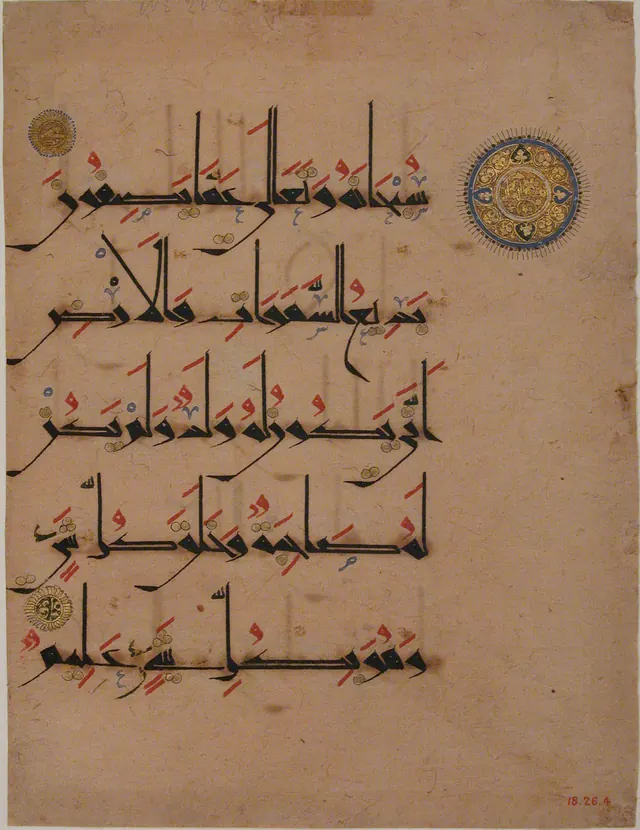
There is both a difference in meaning and in letters between the two readings. Since the ‘Uthmānic codex was written without dotting, it implies that the Qur’ān was not memorized, but people tried instead to make sense of its scripts by dotting it based on their taste and understanding of the written text.
قراءة الجمهور: <أَهُشُّ>، بمعنى أخبط بالعصى على الشجر لإسقاط أوراقه.
وقرأ الحسن البصري وعكرمة: «أَهُسُّ»، «والهسُّ: السَّوْقُ وزَجْرُ الغنم».
الفرق بين الهشّ والهسّ: فرق في المعنى والحرف، وكون المصحف العثماني كُتب بغير تنقيط، فهاتان القراءتان تدلان على أن القرّاء قد حاولوا تنقيطه وتشكيله حسب ذوقهم وفهمهم الخاص للنص.
Among the various readings, differences in word choice, though synonymous, challenge the unity of the Qur’ānic text: Majority reading is fa-raja‘nāka (“And we restored thee”). Codex of ’Ubayy Ibn Ka‘b reads fa-radadnāka (“And we returned thee”). Notice that unlike other readings where the dotting, diacritical marks, and hamzas are changed or added, the difference here is the selection of synonyms.
Question: Did the original text have a foreign word here that was translated into Arabic by the readers, resulting in these synonyms?
This above question is prompted by al-Suyūţī’s work, which mentions the presence of foreign words in the current Qur’ānic text, such as al-Rahman (“the Merciful”), which is a Hebrew word, and hawāryūn (“fishermen”), a Nabataean word.
قراءة الجماعة: <فَرَجَعْنَاكَ>.
وجاء في مصحف أُبيّ بن كعب: «فَرَدَدْنَاكَ».
هاتان الكلمتان مترادفتان، وليس كباقي القراءات التي تختلف في التشكيل أو التنقيط أو التهميز.فهاتان الكلمتان مفهومتان باللغة العربية، ولا تحتاجا لأي شرح.
وهنا نتساءل: لماذا اختار القراء هاتين المترادفتين؟ فهل كان هناك في الأصل كلمة غير عربية تُرجمت من القراء بهاتين المترادفتين؟
إن ما دفعَ إلى إثارةِ هذا السؤالِ ما ذكره السيوطيُّ حولَ وجودِ كلماتٍ أجنبيةٍ في النصِّ القرآنيِّ الحاليِّ، مثل كلمةِ «الرحمن»، وكلمةِ «الطور»، وغيرهما (انظر جدول الكلمات الأعجمية في القرآن بحسب السيوطي).
The Majority reading: Mahdan ("bed")
The average readers from Kufa read: Mahdan; in the sense of Alathy mahadakum 'l-ard mahdan ("who hath made for you the earth as a bed")
The people from Al-Basra, Medina read: Mehadan ("beds")
Al-Nahhas considers Al-Basra's reading as more acceptable: "The plural here is likely the more acceptable since Mahdan is an infinitive form. Infinitive form can only occur here if there is an omitted noun (e.g. That Mahd "that has a bed").3The different reading between Mehadan and Mahdan can only be explained as a result of the absence of the Alef (the a sound) between the h and d sounds. This a (Alef) sound was rarely used in the early Masahif. That means the word can be plural Mehadan or singular Mahdan.
القراءة الشائعة للقرآن: <مَهْداً>.
وَقَرَأَ عَامَّة قُرَّاء الْكُوفيّينَ: «مَهْداً»، بمَعْنَى «الَّذي مَهَّدَكُمْ الْأَرْض مَهْدًا».
وقرأ أهل البصرة والمدينة المنورة: «مِهَاداً».
وقد رجح النَّحَّاس قراءة البصرة في قوله: «وَالْجَمْع أَوْلَى لِأَنَّ «مَهْدًا» مَصْدَر، وَلَيْسَ هَذَا مَوْضِع مَصْدَر إِلَّا عَلَى حَذْف؛ أَيْ: ذَات مَهْد».
الفرق في القراءة بين «مِهاداً» و<مهداً> ما هو إلا نتاجٌ لعدم ظهور الألف بين الهاء والدال، وهذه الألف في وسط الكلمة نادراً ما كانت تكتب في المصاحف الأولى، الأمرالذي جعل النص يحتمل الجمع «مِهاداً» والإفراد <مهداً>.
Among the various readings, grammatical errors affect the understanding of the Qur’ānic text:
Current Arabic Qur’ān reads in hadhāni la-sāhirāni (“these twain are certainly two magicians”).
‘Ā’isha, ‘Uthmān Ibn ‘Affān, and others read inna hadhāyni la-sāhirāni (“these twain are certainly two magicians”), the grammatically correct form.
In the current Arabic Qur’ān (according to the ‘Uthmānic codex), the phrase in hadhāni la-sāhirāni presents an ungrammatical structure for two reasons: (1) The Arabic word in is a conditional word, or “if,” and must be followed by a verb; (2) this word in cannot be combined with la in la-sāhirāni. With these two problems, the sentence in this verse is incomprehensible.
However, the Arabic word inna is used to stress the meaning of a sentence and is likely the intent here. Al-Darwīsh, a contemporary Muslim grammarian, tries to justify the grammatical error of in in this phrase by explaining that the word in here (instead of inna) is just a “lighter form” or softening of the emphasis. But this unusual grammatical structure appears nowhere else in the Qur’ān. It is as unique as al-Darwīsh’s explanation.
On the other hand, Islamic sources report several comments regarding this reading (hadhāni, or “these twain”) from Muhammad’s closest Companions:
‘Ā’isha stated that “…this is a mistake made by the scribe”.
Abū ‘Amr and ‘Īsā Ibn ‘Umar have said that “it is an error made by the scribe, as ‘Ā’isha said”.
“I [Abū ‘Ubayd] saw it in the mušhaf of ‘Uthmān written like this هدں [hadhn] without the alif in the middle”.
‘Uthmān Ibn ‘Affān stated, “There is solecism [ungrammatical combination of words] in the mušhaf, but the Arabs will correct it [mušhaf] as they recite….It is a solecism and a mistake” (emphasis added).
Question: If reports—still extant—from ‘Ā’isha, the wife of Muhammad, admit deviation in the Qur’ān and her reading agrees with ‘Uthmān Ibn ‘Affān, the compiler of the Qur’ān, aren’t these legitimate examples that indicate the altering and modification of the Qur’ān?
القراءة الشائعة للقرآن: <إِنْ هَذَانِ لَسَاحِرَانِ>.
وقرأت عائشة وكذلك عثمان وآخرون: «إِنَّ هَذَيْنِ لَسَاحِرَانِ».
في مصنفه «إعراب القرآن وبيانه»، أفاد محيي الدين الدرويش أن إعراب «إنْ هذان لساحران» بالمخالفة للقاعدة النحوية التي تقتضي نصب اسم إن ورفع خبرها، من الممكن التغاضي عنه حيث عَدَّ أداة النسخ ««إنْ» مخففة من الثقيلة ومهملة»، وهذا الطرح غير مقبول بالمرة، كما أنه مخالف للبلاغة. كما أن الدرويش لم يعط أي سند أو تبرير؛ لماذا عَدَّ «إنْ» مهملة في تعبير: <قَالُوا إِنْ هَذَانِ>، حيث كان من الممكن عندئذ إهمالها بالكامل فعليًا بعدم وضعها من الأساس، مع إسقاط «لام» التوكيد، «قالوا هذان ساحران». وإن قبلنا جدلاً بما ذهب إليه الدرويش من كون «إنْ» مخففة من «إنَّ»، فإن هذا لا ينسجم مع وجود لام التوكيد في «لساحران». والواقع أنه لابد أن يتبع «إنْ» فعل، حيث إنها في صورتها هذه شرطية، وليست مخففة من «إنَّ»، وعلى سبيل المثال «إنْ يجتهِدِ الطالبُ ينجحْ».
أما عن القراءة الشائعة <هَذَانِ>، فقد ذكرت المصادر الإسلامية ما يلي:
«رأيتُها في الإمام مصحف عثمان <<هدں>> ليس فيها ألف».
وقالت عائشة: «...هذا خطأ من الكاتب».
وأما أبو عمرو بن العلاء وعيسى بن عمر فقد «ذهبا إلى أنه غلط من الكاتب كما قالت عائشة».
وذكر عثمان أن «في المصحف لحن وستقيمه العرب بألسنتهم».
وذكر أبان بن عثمان: «قرأت هذه الآية عند أبي عثمان بن عفان، فقال: «لحن وخطأ»».
ويبدو أن فكرة الدرويش «المقحمة» قد خفيت عن عائشة، وعثمان بن عفان مع باقي علماء الإسلام.
ونحن نتساءل: أليس ما وصلنا من أخبار عن وجود لحن في المصحف باعتراف عائشة (بل وأيضًا عثمان)، وقراءتها المتفقة مع قراءة عثمان بن عفان، دليلاً على ما تعرّض له القرآن من تبديلٍ وتغيير؟
Among the various readings, this verse has two issues:
Majority reading is fa-qabaďtu qabďatan (“I grasped a handful”), meaning “I took with my fingers and the palm of my hand”.
Ibn Mas‘ūd, ’Ubayy Ibn Ka‘b, and others read fa-qabaštu qabšatan (“I grasped with [my] finger tips”) with the consonant š (ص) and not ď .
The difference between the two readings is the amount taken from the footprint of the messenger. The majority reading indicates taking a large quantity, while the second reading indicates taking a small quantity.
Majority reading is al-rasūli (“the messenger”).
Ibn Mas‘ūd read farasi al-rasūli (“the messenger’s horse”), which means the footprints of the hoof of the horse that belongs to the messenger.
The majority reading does not indicate that there is a horse, and thus, the handful of dust that is grasped by the Samaritan (“es Sâmarîy”) is from the footprint of the messenger. However, the reading of Ibn Mas‘ūd indicates that the footprint belongs to the hoof of the messenger’s horse. Therefore, the meaning of this verse differs with the different readings.
Islamic scholars agree that the messenger here is Jibrīl, and he had a horse. Then the Samaritan grasps a handful of dust from the footprint of Jibrīl’s horse’s hoof and throws it onto the Pharaoh’s jewelry that was in the fire. This casting produced a bellowing calf of flesh. Al-Ţabarī states (quoting Qatāda) that the Samaritan was from a tribe named Samaria from the great people of Israel. (See inset text “The ‘Samaritan’ before Samaria”).
<فَقَبَضْتُ قَبْضَةً>
قراءة الجماعة: <فَقَبَضْتُ قَبْضَةً>، أي أخذت بكفّي مع الأصابع.
وقرأ ابن مسعود وأبيّ بن كعب وآخرون: «فَقَبَصْتُ قَبْصَةً» بالصاد، وهو «التناول [الأخذ] بأطرف الأصابع».
الفرق بين القبضة والقبصة هي الكمية المأخوذة من أثر الرسول. فالقبض للتكثير والقبصُ للتقليل.
<مِنْ أَثَرِ الرَّسُولِ>
قراءة الجماعة: <مِنْ أَثَرِ الرَّسُولِ>.
قرأ ابن مسعود: ««مِنْ أَثَرِ فَرَسِ الرَّسُولِ» أي: من أثر حافر فرس الرسول».
قراءة الجماعة لا تشير إلى وجود فرس، وبالتالي تكون القبضة أو القبصة التي أخذها «السامري» هي لأثر الرسول. أما في قراءة ابن مسعود، فالأثر يرجع إلى حافر فرس الرسول، وبالتالي فباختلاف القراءة يختلف المعنى.
وبالرجوع إلى التفاسير الإسلامية، فقد اتفق علماء الإسلام على أن الرسول هنا هو «جبريل»، وقد كان لديه فرس. ثم جاء السامري وقبض قبضة من أثر حافر حصانه. ويذكر الطبري عن قتادة أن السامري كان عظيمًا من عظماء بني إسرائيل من قبيلة يقال لها السامرة.
وقد ذُكرَ أن هذا السامري قد أخذ قبضة من أثر فرس جبريل، فكان إذا أُلقِيتْ على أي شيء يصير له روح ودم، فرماها على الحلي في النار لتصير عجلاً جسدًا له خوار.
Among the various readings, differences in wording affect meaning and clarity:
Current Arabic Qur’ān reads al-ladhī la ‘ilaha ‘illa huwa (“there is no god but He”).
Ţalha Ibn Mišrif read al-ladhī la ‘ilaha ‘illa huwa al-Rahman rabbu al-‘arshi (“there is no god but He—the Merciful, the Lord of the throne”) with the phrase “the Merciful, the Lord of the throne”.
Another reading (reported by al-Alūsī) is al-ladhī la ‘ilaha ‘illa huwa al-Rahman al-rahīm rabbu al-‘arshi (“the Merciful, the Compassionate, the Lord of the throne”) and includes al-rahīm.
The inclusion of the phrases “the Merciful,” “the Compassionate,” and “the Lord of the throne” in some of the readings is further explanation that the verse is not talking about the calf as god but to show that the intended god in the verse is “the Merciful, the Lord of the throne.” Regarding this verse, al-Qurţubī states that the “God” reference in the verse is “not the calf but means [your god is Allah] his knowledge is all encompassing. He does what he does due to his knowledge”.
القراءة الشائعة للقرآن:<اللهُ الَّذِي لَا إِلَهَ إِلَّا هُوَ>.
قرأ طلحة: «اللهُ الَّذِي لَا إِلَهَ إِلَّا هُوَ الرحمن ربّ العرش».
وذكر الألوسي هذه القراءة: «اللهُ لَا إِلَهَ إِلَّا هُوَ الرحمن الرحيم ربّ العرش».
هذه الفروقات توضح أن الكلام ليس على الإله العجل، ولكن لتبيّن أن الإله المقصود في الآية هو الرحمن ربّ العرش. قال القرطبي: «قوله تعالى: <إِنَّمَا إِلَهُكُمُ اللهُ الَّذِي لَا إِلَهَ إِلَّا هُوَ وَسِعَ كُلَّ شَيْءٍ عِلْمًا> لَا الْعِجْل، أَيْ: [إلهكم الله] وَسِعَ كُلّ شَيْء عِلْمه؛ يَفْعَل الْفِعْل عَنْ الْعِلْم».
Among the various readings, different pronouns change perspective and illustrate disunity of the Qur’ānic text:
Majority reading is tasma‘u (“thou shalt hear”).
’Ubayy Ibn Ka‘b read yanţiqūna (“they utter”).
Al-Qurţubī states “the meaning is close [between the readings]. That is to say, no sound of theirs is heard—neither utterance nor words nor sound of feet”. Semantically, these readings may be synonymous, but grammatically the majority reading uses a singular second-person pronoun (“thou”), while the reading of ’Ubayy Ibn Ka‘b uses a plural third-person pronoun (“they”). Yet these pronoun differences show different visions of this story and its setting as presented by the early Qur’ānic readers and their reactions to the text, different perspectives that challenge the unity of the Qur’ānic text.
قراءة الجماعة : <فَلَا تَسْمَعُ>.
وقرأ أُبيّ بن كعب: «فَلَا يَنْطِقُونَ».
يرى القرطبي أن المعنى قريبٌ بين القراءتين، أي أنه لم يكن يُسمَعُ لهم صوتٌ أو وقعُ أقدامٍ. إلا أننا لا نشاطره الرأي، حيث أن هناك اختلاف في المعنى، كما أن قراءة الجماعة جاءت بصيغة المخاطب الذي تقديره «أنت»، أما قراءة أُبي فقد جاءت بصيغة الغائب الذي تقديره «هم»، وهذا إن دل على شيء فإنما يدل على تصور القراء الأوائل للمشهد وتصرفهم في التعبير عنه، مما يشكك في القول بوحدانية النص القرآني.
Among the various readings, different words and expressions as given by Muhammad challenge the unity of the Qur’ānic text:
Majority reading is fa-tarabbašū(ā) fa-sata‘lamūna (“so wait ye! but in the end ye shall know”).
Abū Rāfi‘ (as reported by al-Zamakhsharī) read fa-tamata‘ū(ā) fa-sawfa ta‘lamūna (“so enjoy yourselves and you will know”). Al-Zamakhsharī states that Abū Rāfi‘ (once a slave of al-‘Abbās Ibn ‘Abd al-Muţţalib, who gave him to his nephew Muhammad) declared that he had “memorized it [this reading] from the messenger of Allah”. Abū Rāfi‘ has narrated several hadīths, testifying that he heard them from Muhammad. Others have narrated hadīths by Abū Rāfi‘ as well.
Question: As suggested by these different readings and hadīths, did Muhammad read this verse different ways with different meanings at separate times?
قراءة الجمهور: <فتربصوا فستعلمون>.
وقُرىءَ: «فَتَمَتَعُوا فَسَوْفَ تَعْلَمُونَ»؛ وأضاف الزمخشري أن أبا رافع قد حفظها من محمد نفسه.
وإذا عرفنا أن أبا رافع كان عبدًا للعباس بن عبد المطلب، ووهبه إلى ابن أخيه محمد، وقد روى عدة أحاديث، وروى عنه؛ فهذا الرجل كان من المقربين إلى محمد. وهو يشهد هنا أنه سمعها منه هكذا: «فَتَمَتَعُوا فَسَوْفَ تَعْلَمُونَ».
ونتساءل: هل كان محمد يقرأ الآية بأسلوب، ثم يعيدها في وقتٍ لاحق بأسلوبٍ ومعنى مختلفين؟
Among the various readings, differences in word order affect meaning:
Majority reading is khuliqa al-‘insānu min ‘ajalin (“Man is created out of haste”).
Ibn Mas‘ūd read khuliqa al-‘ajalu min al-’insani (“the haste is created out of Man”) with the words “Man” and “haste” transposed and the definite article the preceding “haste”.
If the intended meaning of the verse, as given by the majority reading, is that man was created by Allah “out of haste”, this meaning connotes that man was a hastily (and most certainly an imperfectly) created being. Such a meaning not only blames the Creator for the imperfections of his creation, it is also blasphemous because it suggests that Allah has flaws or that any of his work is imperfect. Such a meaning is also contradicted by the last part of the verse, where Allah states his refusal to be hurried.
However, if the hastiness refers to man’s tendencies toward hasty behavior, the reading of Ibn Mas‘ūd better reflects such an interpretation because it gives this meaning very clearly and unambiguously, and it removes the problem in the verse.
قراءة الجماعة: <خُلِقَ الْإِنْسَانُ مِنْ عَجَل>.
وقرأ ابن مسعود: «خُلِقَ العَجَلُ من الإنسان».
هناك وجهان لفهم هذه الآية:
إذا كان المقصود من معنى الآية أن الإنسان خلق من عجل، التي هي صفة سلبية بحسب سياق الآية: <سَأُرِيكُمْ آيَاتِي فَلَا تَسْتَعْجِلُونِ>. فهذا الأمر يجعل العيب في الخالق وليس في المخلوق، الذي ليس له ذنب في خلقه بهذا الضعف. وحاشا لله أن يكون فيه عيبًا أو أن يكون عمله غير كاملٍ. ومن جهة أخرى فهذا يتعارض مع نهاية الآية.
أما إذا كان القصد أن العجلة صفة مكتسبة من تصرفات الإنسان، فبالتالي وجب القول بقراءة ابن مسعود «خُلِقَ العَجَلُ من الإنسان» لأنها هي التي تعطي هذا المعنى بكل وضوح، دون لبس، وتزيل الإشكالية من الآية.
Among the various readings, different word choices affect meaning:
Majority reading is ’ataynā (“we…bring)”.
’Ubayy Ibn Ka‘b and Ibn Mas‘ūd read ji’nā (“we…came with”).
The context of the verse gives the impression that Allah is a just judge; if one had the weight of even a mustard seed worth of good recompense, Allah would give that person exact due. Q 4.40 states, “Surely God shall not wrong so much as the weight of an ant; and if it be a good deed He will double it, and give from Himself a mighty wage” (Arberry trans.). Not only would Allah not overlook one small deed and thus wrong its doers, but he would double its value.
The majority reading and the reading of Ibn Ka‘b and Ibn Mas‘ūd do not specify the quality (good or evil) of the soul’s “weight.” The reading of Ģumayd Ibn Qays indicates clearly that the weight, regardless of its size, is that of good reward, thawāb. Thus, the reading of Ģumayd Ibn Qays is clearer and more eloquent and informative than the rest of the readings.
قراءة الجمهور: <أَتَيْنَا بِهَا>.
وقرأ أُبيّ بن كعب وابن مسعود: «جِئْنَا بِهَا».
وقرأ حُمَيْد بن قيس: «أثَبْنَا بِهَا»، من الثواب.
يُفهم من الآية أن الله قاضٍ عادل. حتى ولو كان له مثقال حبة خردل من الثواب، فالله يجزي صاحبه. وكما جاء في (النساء 40:4) <إِنَّ اللهَ لَا يَظْلِمُ مِثْقَالَ ذَرَّةٍ وَإِنْ تَكُ حسنة يضاعفها وَيُؤْتِ مِنْ لَدُنْهُ أَجْرًا عَظِيمًا>، بمعنى أن مقدار حسنة واحدة فقط يضاعفها الله، ولا يظلم صاحبها لقلتها. ومن ثم، فقراءة الجمهور وابن مسعود وابن كعب لا تبيّن ما إذا كانت طبيعة الوزن الضئيل (مِثْقَالَ حَبَّةٍ مِنْ خَرْدَلٍ) هي من الخير أم من الشر؟ أما قراءة حُمَيْد بن قيس: مِثْقَالَ حَبَّةٍ مِنْ خَرْدَلٍ أثَبْنَا بِهَا ، فتشير بوضوح إلى أن المقصود هو الثواب. وعليه، فان قراءته هي الأكثر وضوحاً وبلاغة وبياناً، وتوافق رسم المصحف.
Among the various readings, different word choices affect meaning:
Majority reading is ’ataynā (“we…bring)”.
’Ubayy Ibn Ka‘b and Ibn Mas‘ūd read ji’nā (“we…came with”).
The context of the verse gives the impression that Allah is a just judge; if one had the weight of even a mustard seed worth of good recompense, Allah would give that person exact due. Q 4.40 states, “Surely God shall not wrong so much as the weight of an ant; and if it be a good deed He will double it, and give from Himself a mighty wage” (Arberry trans.). Not only would Allah not overlook one small deed and thus wrong its doers, but he would double its value.
The majority reading and the reading of Ibn Ka‘b and Ibn Mas‘ūd do not specify the quality (good or evil) of the soul’s “weight.” The reading of Ģumayd Ibn Qays indicates clearly that the weight, regardless of its size, is that of good reward, thawāb. Thus, the reading of Ģumayd Ibn Qays is clearer and more eloquent and informative than the rest of the readings.
قراءة الجماعة: <فَعَلَهُ>، فعل ماضٍ.
وقرأ محمد بن السميفع: «فَعَلَّهُ» مشدّدة اللام بمعنى لعلَّه.
قصة تكسير إبراهيم للأصنام استوحاها النص القرآني من مدراش ربا، ومن الطبيعي أنه عندما يتم النقل من لغة إلى لغة أخرى، تحدث بعض التغيرات في النص نتيجة لثقافة وفهم الناقل للقصة. وكون النص الأصلي لمدراش ربا كتب باللغة الآرامية، كان من الطبيعي أن يكون هناك اختلافًا بسيطًا بين النصين، وما يهمنا في قصة مدراش ربا الأصلية هو مايلي:
ذات مرة أتت امرأةٌ [لإبراهيم] تحملُ وعاء دقيقٍ، وقالت له: «ضَعْ هذا أمامهم [أي الأصنام]»؛ فقام وأخذ عصا وحطم جميع الأصنام ووضعْ العصا في يد أكبر الأصنام.
فلما رجع أبوه سأله: «من اقترف هذا؟».
فأجابه إِبْرَاهِيم: «لا أكتمك سرًا. إن امرأة أتت ومعها وعاء دقيق، وطلبت مني وضعه أمامهم؛ فوضعته أمامهم، فقال هذا: «أريد أنْ آكل أولاً»، وقال ذاك: «أريد أنا أنْ آكل أولاً»؛ فنهض كبيرهم وأخذ العصا وفعل ما رأيت».
فقال له أبوه: «لِمَاذا تُلفِّق علي هذه الخرافة؟ هل لهذه الأصنام إدراك وعقل؟» فردّ إِبْرَاهِيم: «ألا تسمع أذناك ما تتكلم به شفتاك؟».
بحسب قصة المدراش، فإن نبي الله إبراهيم قد كذب على أبيه، الأمر الذي يتطابق مع قراءة الجماعة: <بَلْ فَعَلَهُ كَبِيرُهُمْ>، أما قراءة محمد بن السميفع: «فَعَلَّهُ كَبِيرُهُمْ» والتي تعني (فربما كَبِيرُهُمْ) فهو قد حاول تخفيف تهمة الكذب عن نبي الله إبراهيم، باستخدام مبدأ التقية المعروف في الإسلام. والتي تجيز الكذب في بعض الأحوال.
Among the various readings, differences in grammatical structure and word choice affect eloquence and clarity:
Majority reading is mina (“from”) as seen in Pickthall’s translation, “And delivered him from the people who denied Our revelations” (emphasis added).
’Ubayy Ibn Ka‘b read ‘alā (“against”), as translated by Palmer.
The verb used in the Qur’ān directly before the preposition in question is našarnāhu (“we supported him”). The appropriate preposition for this verb is ‘alā (“against”), making the phrase “we supported him against.” To use mina (“from”) the verb needs to be, for instance, anjaynāhu (“we delivered him”), making the phrase read “we delivered him from.” Al-Qurţubī writes, “Abū ‘Ubayda [al-Baghawī] said that mina [here] means ‘alā”.
To better understand the difference between “from” and “against,” the previous verse (Q 21.76) provides helpful context. In Q 21.76, Noah and his people are saved from “the mighty trouble” (the Flood) by God; they required deliverance, some kind of complete removal, separation, or barrier (the ark), to protect them from the wrath of the raging waters. The preposition “from” is totally appropriate here. However, in the following verse (Q 21.77), God helps Noah against his critics; Noah is not delivered or removed from them, for they continue to criticize him until their doom. Until the Flood comes, Noah continues to live among them despite their mockery and disbelief.
Thus, the reading of ’Ubayy Ibn Ka‘b, which uses the preposition ‘alā (“against”), is more accurate than that of the majority reading
قراءة الجمهور: <مِنَ الْقَوْمِ>.
وقرأ أُبيّ بن كعب: «على الْقَوْمِ».
استعمل القرآن تعبير <نصرناه>، والنصرة على القوم أفضل تعبيراً من النصرة من القوم؛ فلو استعمل تعبير «أنجيناه» تكون النجاة من القوم وليس على القوم. رغم إمكانية فهم تعبير: «نصرناه من القوم»، بمعنى نصرناه على القوم، كما جاء في تفسير القرطبي حيث كتب: «قَالَ أَبُو عبيدة [البغوي]: «مِنْ» بِمَعْنَى عَلَى»، والصحيح أن يُقال: ونصرناه على القوم؛ وبالتالي، فقراءة ابن كعب هي الأصح.
Among the various readings, differences in pronoun form affect grammar and eloquence:
Majority reading is lihukmihim (“to their judgment”), where the incorrect Arabic plural him (“their”) is used here to refer to two persons, David and Solomon. This Arabic plural form him is only correctly used with three or more persons.
Ibn Mas‘ūd, Ibn ‘Abbās, and Ibn Abī ‘Abla read lihukmihimā (“to their judgment”), where the Arabic dual form hima, i.e., “to their [two of them] judgment,” is used to refer to David and Solomon.
In the context of the verse only two judges are mentioned: David and Solomon. How is it that the majority reading uses a plural form that, according to Arabic grammar, applies when there are more than two?
قراءة الجمهور: <لِحُكْمِهِمْ> على الجمع.
وقرأ ابن مسعود وابن عباس وابن أبي عبلة: «لِحُكْمِهِمَا» على التثنية.
سياق الآية لا يذكر أكثر من حاكمين: داود وسليمان. وقراءة ابن مسعود «لِحُكْمِهِمَا» قد جاءت مبنية على هذا الأساس بالتثنية. أما قراءة الجمهور فقد جاءت بصيغة الجمع للتعبير عن إثنين! فعلى أي أساس جاءت قراءة الجمهور بهذه الصيغة؟
Among the various readings, the lack of dotting in the early Qur’ānic codices leads to strange language forms, which affect meaning:
Majority reading is nunjī al-mū’minīna (“do we save believers”).
Ibn al-Samayfi‘ and Abū al-‘Ālīa read najjā al-mū’minīna (“He saved believers”).
Ibn ‘Āmir and Abū Bakr read nujjiy al-mū’minīna (“believers are saved”). This is the reading of ‘Āšim Ibn Abī al-Nujūd (Shu‘ba’s narration).
This verse has a problem because the scripting in the ‘Uthmānic codex shows nujji with one n, but the current Arabic Qur’ān text shows nunjī with two n’s. These differences result in different tenses for the word: “saved” vs. “save,” respectively.
Islamic commentators have tried to justify the current Arabic Qur’ān reading with the two n’s, or nunjī al-mu’minīna (“do we save believers”):
Majority reading (nunjī al-mu’minīna, or “do we save believers”)
Some Islamic commentators, such as Abū ‘Ubayd and al-Qutabīy, state that “the consonant nūn [/n/ “n” sound in “no”] merged with the consonant jīm [/d3/ “j” or “g” sound in “joy” or “measure”]”, but this opinion is not correct nor accepted by some grammarians, “because the sound of the consonant nūn is far from the sound of the consonant jīm and it is not possible to assimilate them”. Al-Zamakhsharī supports this statement, writing “it is not possible to assimilate nūn with jīm”. Even al-Qurţubī states that “it is not correct to read Man jā’a bi-al-hasanati [“He who brings a good deed”; see Q 28.84] as Majā’a bi-al-hasanati”.
While Ibn Mujāhid also states that assimilating nūn with jīm is not correct, he suggests another view about this issue:
…nūn cannot be assimilated with jīm, but it is hidden here because it is silent and it is a nasal sound consonant. Therefore it is omitted from the book [Qur’ān], and it is constant in the uttering. Those who say that it is assimilated are wrong.
However, this opinion does not follow any standard Arabic grammatical rule. There is no precedent that nūn can be hidden from the written word because it is a nasal sound consonant yet uttered in the reading.
Al-Nahhās prefers the opinion of ‘Alī Ibn Sulaymān:
…originally it was nunjī, and one of the two nūns was omitted because they were placed together, just as when one t (tā’) is omitted when two t’s are placed together, as in the phrase walā tafarraqū [“and do not part in sects”; see Q 3.103]. He mentions that originally it was tatafarraqū. (Color emphasis added)
However, this view is also not acceptable. Ibn Mujāhid refutes this view, stating, “…the assimilation is not correct here because the first nūn is consonant-vowel [with ďamma] and the second is consonant only [with sukūn]”.
Reading of Ibn al-Samayfi‘ and Abū al-‘Ālia (najja al-mu’minīna, or “He saved believers”)
Even though al-Qurţubī finds this reading satisfactory, it does not align with the context. The majesty “we” for Allah is used in verse 87 and the first part of verse 88. To be consistent and clear, “He” in “saved believers” should be “we” to refer to Allah.
Reading of ‘Āšim Ibn Abī al-Nujūd, Ibn ‘Āmir and Abū Bakr (nujjiy al-mū’minīna, or “the believers are saved”)
Both Abū Ģātim and al-Zajjāj consider this reading unacceptable or laģnan (solecistic). The proper or standard form of this reading should be nujjiy al-mū’minūna (“the believers are saved”). Al-Zamakhsharī states that using the form al-mū’minīna in this reading “abuses” the language.
However, ‘Āšim rejected all but his own reading for a reason. He noted that the word nujjiy is written in the codices with a single nūn (consonant n), and so he did not read it the way other readers did, who added another nūn that is not in the codex. He thought that this addition is not what is written in the codex, and he could not explain its omission.
The majority reading with two nūns is an arbitrary reading because only a single nūn is scripted in the ‘Uthmānic codex. Yet the current Arabic Qur’ān script shows two nūns but drawn in an unorthodox manner: This peculiar form of placing one nūn above the other is never used in standard Arabic script. A review of all the early Qur’ānic manuscripts shows that the word is clearly written with just one nūn, which is confirmed by Abū Ģaīyān: “…and so it is in the codex of al-Imām and in codices in different states, with one nūn”. This word with one nūn is visible in early manuscripts, such as the Topkapi manuscript and MS Or. 2165.
Manuscript Samples—Word with One Nūn (Q 21.88)
MS Or. 2165:
Folio 57v (See Déroche and Noseda.)
H.S. 44/32 [Topkapi MS]:
Folio 208r (See Altıkulaç 419.)
The reading with one nūn is not compatible with the context of the verse because of the antecedent-pronoun problems, while the reading of ‘Āšim Ibn Abī al-Nujūd and Ibn ‘Āmir (nujjiy al-mū’minīna) is also not acceptable because it should have been nujjiy al-mūminūna, the standard, proper Arabic language form.
Therefore, problems remain, unresolved, in all the aforementioned readings of this word. The most likely cause for these problems is that an error occurred when dotting was introduced and applied to copies of the Qur’ān.
Question: If a dotting error did occur during transcription of this word (), what would have been the correctly dotted word?
To review, the above discussion and, more importantly, the early manuscripts about this word clearly show that the word was originally written with one consonant n (nūn), so all readings using two n’s should be discarded. Yet the remaining readings with one n must also be discarded because of unacceptable grammar or usage.
But if the problem is really not the use of one n, the problem must be with the dotting. The consonant n (nūn) requires one dot, which causes no problem. (The n here refers to Allah, or the majesty “we.”) Perhaps, the second dot—used to form the letter jīm (ج) in some of the aforementioned readings—should not have been inserted at all.
Further investigation concerning this word in this verse suggests that this word was originally nuhīy (نُحيِ or “we quicken”). It maintains the initial n (ن), which is eventually dotted in later codices, but uses the undotted letter hā (ح) and not the dotted letter jīm (ج). The resulting word nuģīy is fully compatible with the context of the story of Jonah (Palmer trans. “Dhu ’nnûn” ) in the verse: “And we answered him, and saved him from the trouble. Thus do we <span style="font-
قراءة الجمهور: <ننجي المؤمنين>.
وقرأ الجحدري: «نَجَّى المؤمنين». وكذلك قرأ بها ابن السميفع وأبو العالية.
وقرأ ابن عامر وأبوبكر: «نُجِّيْ المؤمنين». وكذلك قرأ بها أيضًا عاصم في رواية شعبة.
حقًا في هذه الآية إشكالية، إذ أن محاولات القراء هنا لم تكن مقنعة للأسباب التالية:
قراءة الجمهور: رسم المصحف هو ، وفي المصحف الحالي تظهر بالشكل التالي <نُ ۨجِي>، وقد حاول المفسرون تبريرات عدة لتوضيح قراءتها «ننجي المؤمنين»:
ذهب البعض منهم مثل أبو عبيد والقتبي إلى «أنه أدغم النون في الجيم»، ولكن هذا القول غير صحيح إذ «لا يجوز عند أحد من النحويين؛ لبعد مخرج النون من مخرج الجيم فلا تدغم فيها». وأيد ذلك القول الزمخشري بقوله «النون لا تدغم في الجيم». وذكر القرطبي أنه لا يجوز في <مَن جَاءَ بالحسنةِ> القول «مَجَاءَ بالحسنةِ».
وذهب ابن مجاهد إلى القول بعدم صحة إدغام النون في الجيم، مقترحًا رأيا آخر في الإدغام بقوله «النون لا تدغم في الجيم، وإنما خفيت لأنها ساكنة تخرج من الخياشيم، فحذفت من الكتاب، وهي في اللفظ ثابتة، ومن قال مدغم فهو غلط». إلا أن هذا في الحقيقة لا يتبع أي قاعدة نحوية صحيحة، ولا نعرف بإخفاء النون لأنها تخرج من الخياشيم مع بقائها في اللفظ! حتى أن الفارسي قد ذهب إلى أن عاصمًا ينبغي أن يكون قرأ «نُنْجي» بنونين، وأخفى الثانية، فظن السامع أنه يدغم!
أما النحاس فقد رجح قول علي بن سليمان «الأصلُ: ننجي، فحذف إحدى النونين لاجتماعهما، كما تُحذف إحدى التاءين لاجتماعهما» مستشهدًا بالقول <ولاتفرقوا>، التي ذكر أن أصلها «تتفرقوا». إلا أن هذا الرأي أيضًا لا يجوز حيث ذكر الخطيب قولَ ابن مجاهد الذي فند فيه هذا الرأي قائلًا: «قالا مدغمة، وهو وهم؛ لا يجوز ههنا الإدغام؛ لأن النون الأولى متحركة والثانية ساكنة».
قراءة ابن السميفع والجحدري: «نَجَّى المؤمنين».
أي «نَجَّى الله المؤمنين»، وقد ذكر القرطبي أنها حسنة، والإشكالية فيها أنها لا تتوافق مع السياق، إذ يتم التحول فجأة من ضمير المتكلم إلى ضمير الغائب.
قراءة عاصم وابن عامر وأبي بكر: «نُجِّيْ المؤمنين»
«نُجِّيْ» على الفعل الماضي وإضمار المصدر، أي: «نُجِّيْ النجاءُ المؤمنين». هذا وقد خطَّأ أبو حاتم والزجاج هذه القراءة معتبرينها لحناً لايجوز، فلا يجوز القول «ضُرب زيدًا»، بمعنى «ضُربَ الضربُ زيدًا» لأنه لا فائدة فيه. وصحة الآية عندئذٍ أن تكون: «نُجِّيْ المؤمنون». وعن هذا ذكر الزمخشري إن نصب المؤمنين بالنجاء لهو «تعسف بالغ التعسف».
أما الداعي الحقيقي الذي أجبر عاصم على رفض كل القراءات والتمسك بقراءته، فقد كشف عنه الطبري في قوله: «وإنما حمل عاصمًا على هذه القراءة أنه وجد المصاحف بنون واحدة، وكان في قراءته إياه على ما عليه قراءة القرأة إلحاق نون أخرى ليست في المصحف، فظن أن ذلك زيادة ما ليس في المصحف، ولم يعرف لحذفها وجهًا يصرفه إليه».
القراءة بنونين: هي تعسف من القراء لوجود نون واحدة فقط في رسم المصحف <>، كما نلاحظ أيضًا في رسم مصحف الملك فهد أن النون ترسم بطريقة شاذة معلقة <نُ ۨجِي>! وبالرجوع إلى كل المخطوطات القديمة، يتبين لنا بوضوح أنها بنون واحدة فقط، وهو ما أكد عليه أبو حيان بقوله: «وكذلك هي في مصحف الإمام ومصاحف الأمصار بنون واحدة»، وكذلك في المخطوطات القديمة كمخطوطة طوب قابي، والقاهرة، والبريطانية.
القراءة بنون واحدة: كما في قراءة الجحدري لا تتوافق مع السياق بسبب الالتفات، أما قراءة عاصم وابن عامر «نُجِّيْ المؤمنين»، فلا يجوز القراءة بها، لنصب «المؤمنين»، وكان الواجب أن تكون «نُجِّيْ المؤمنون».
هناك إشكالية في كل القراءات المطروحة لهذه الكلمة. ويبدو أنه قد حدث خطأ في تنقيطها، مما أوقع القراء في هذه الإشكالية. إذ يبدو أن هذه الكلمة كانت في الأصل «نُحۡيِ»، التي توافق قصة يونس في سياق الآية «فاستجبنا له ونجيناه من الغم وكذلك نحي المؤمنين»، حيث كان وهو في بطن الحوت في حكم الميت، وهذه الكلمة جاءت في القرآن بنفس الرسم بالمواضع التالية:
إِنَّا لَنَحۡنُ نُحۡيِۦ وَنُمِيتُ...
إِنَّا نَحۡنُ نُحۡيِ ٱلۡمَوۡتَى...
إِنَّا نَحۡنُ نُحۡيِۦ وَنُمِيتُ...
وإذا ما لاحظنا رسم الكلمة في الآية التي نحن بصددها (الأنبياء 21: 88) في بعض المخطوطات القديمة للقرآن مثل المخطوطة البريطانية، نجدها على الشكل التالي: ، وأيضًا في مصحف طوب قابي، وردت على الشكل التالي: ، أي «»، مما يرجح كون الكلمة «نحيي».
Among the various readings, the numerous variations themselves question the complete textual authenticity of the Qur’ān:
Current Arabic Qur’ān reads harāmun (“a ban”) or “inviolable prohibition,” as translated by Sale.
There are nine variant readings for this word with a similar meaning: harimun, harima, haruma, harma, hurrima, harrama, harmun, hirmun, and harīmun. ‘Umar and Makram mention an additional reading, harama.
Therefore, there are eleven readings for the one word with almost the same meaning. Where is the Preserved Tablet when there are such numerous variations in readings?
القراءة الشائعة للقرآن: <حَرَامٌ عَلَى قَرْيَةٍ>، والحرام نقيض الحلال.
وذكر الخطيب تسع قراءات: «حَرِمٌ، حَرِمَ، حَرُمَ، حَرْمَ، حُرِّمَ، حَرَّمَ، حَرْمٌ، حِرْمٌ، حَرِيمٌ».
وجاءت في معجم القراءات قراءة إضافية: «حَرَمَ».
وبالتالي تكون هناك إحدى عشرة قراءة لكلمة واحدة، وكلها بمعانٍ متقاربة، فأين وحدة النص القرآني؟
96:21
هذه الآية حشو في سياق النص، فهي منقطعة عما قبلها (الآيات 95) وما بعدها (97). وهذه الآية من نماذج عدم اتباع منهجية في تدوين القرآن.
Among the various readings, differences in word choice greatly affect meaning:
Majority reading is hadabin (“hummock”) and means from any elevation from the ground.
Ibn Mas‘ūd, Ibn ‘Abbās, and others read jadathin (“grave”). This word appears in the plural in Q 36.51: “but the trumpet shall be blown, and, behold, from their graves unto their Lord shall they slip out.”
A third reading is jadafin. The word jadafin also means “grave” and its plural is ajdāfun.
The majority reading informs that Yāgūg and Māgūg (Palmer trans. “Yâgûg and Mâgûg”) will be able to open the barrier between them and the rest of humanity. In other words, they are alive behind the barrier built thousands of years ago by Dhū al-Qarnayn in Q 18.92-99. In contrast, the reading of Ibn Mas‘ūd and the third reading implies that the people of Yāgūg and Māgūg are dead but will be brought back to life at the end of days.
Are Yāgūg and Māgūg still kept behind the barrier built by Dhū al-Qarnayn? If the answer is yes, who are they today and where can they be found? Where can one locate them on a map? If the answer is no, the reading of Ibn Mas‘ūd and others (the third reading) is the more correct reading (if one considers the story of Yāgūg and Māgūg to be a true story).
قراءة الجماعة: <حَدَبٍ>.
وقرأ ابن مسعود وابن عباس وآخرون: «جَدَثٍ»، وهو القبر.
وقرئ: «كُلِّ جَدَفٍ»، والجدف هو «القبر، والجمع أجدافٌ».
قراءة الجماعة <حَدَبٍ>، تعني «من كل مُرْتَفَع» مِنْ الْأَرْض، أي أن يأجوج ومأجوج ظلوا أحياءً رغم بناء ذو القرنين لسد يَحولُ بينهم وبين باقي البشر ، لكنهم سوف يستطيعون فتح هذا الحاجز في آخر الأيام. أما قراءة ابن مسعود «جَدَثٍ»، كما في الآية <ونفخ في الصور فإذا هم من الأجداث إلى ربهم ينسلون> (يس 51:36)، فتفيد أن يأجوج ومأجوج ماتوا وسوف يقومون من الموت في آخر أيام الدنيا، وبهذا المعنى جاءت القراءة الثالثة أيضًا بحسب ما ذهب إليه المفسرون.
والسؤال المطروح: هل يأجوج ومأجوج لازالوا أحياءً محجوزين وراء السد الذي بناه ذو القرنين كما تفيد به قراءة الجماعة؟ فإذا كان الجواب بنعم ! فمَنْ هم؟ وأين يوجدون الآن؟ أما إذا كان الجواب بالنفي، فقراءة ابن مسعود ومن قرأ بقراءته هي الأصح، هذا إذا سلمنا بأن هذه التفاصيل المذكورة لقصة <يأجوج ومأجوج> لها أساس من الصحة.
Among the various readings, scribal errors maintain the use of non-Arabic words:
Majority reading is hašabu (“the pebbles”), “which is cast into the fires of hell”.
Ibn ‘Abbās, ‘Ā’isha, and others read haďabu.
’Ubayy Ibn Ka‘b and others read haţabu (“firewood”).
The majority reading hašabu names what is cast in the fire of rock and stones according to Q 2.24: “…then fear the fire whose fuel is men and stones….” The intended meaning of stones here is the idols.
Regarding the reading of haďabu by Ibn ‘Abbās, Ibn Manžūr makes this comment:
Al-haďabu is al-haţabu in the language of Yemen. It is also told that it [haďabu] is all that could be cast into fire, such as fire wood and other [materials], to incite the fire. And, al-haďabu is a dialect [variation of] al-hašabu.
The reading of haţabu by ’Ubayy Ibn Ka‘b refers to any part of the tree used to set a fire.
The variation in readings leads to different meanings as clearly seen above. The majority reading is problematic because it states that whatever the people worship, other than Allah, are pebbles of hell. The problem is that people did not always worship stone idols. Some worshipped the jinn (Q 34.41) while others worshipped angels and prophets (Q 3.80). Also, the word hašabu is only used once in the Qur’ān, in this verse.
The Ibn ‘Abbās reading uses a word that is never used in the Qur’ān. Since this entire sura is Meccan, why and how would Muhammad use a word (that is from the Yemen dialect, according to Ibn Manžūr) outside his own Quraysh dialect?
Devin J. Stewart, researcher and professor of Islamic studies and Arabic language and literature, states that the relationship of pebbles with the fire of hell is not clear and that “it is reasonable and acceptable to say that the vertical stroke on the consonant ţa’ (ط) was neglected or omitted, which resulted in reading the consonant ţa’ (ط) as šād (ص) instead”. Stewart’s conclusion supports the current Arabic language—classic and dialect—which uses haţab for “firewood.” Therefore, the reading of ’Ubayy Ibn Ka‘b (haţabu) not only uses the correct word form, this word is used with the same meaning elsewhere in the Qur’ān (Q 72.15 and Q 111.4).
So it seems that whenever a scribe makes a mistake in the ‘Uthmānic codex, the mistake becomes an Arabic word by fait accompli; otherwise, the Qur’ān would be accused of distortion.
(For more discussion about changes to words in the Qur’ān, see the comment on Q 26.63, and the critical analysis of Q 20.12).
قراءة الجمهور: «<حَصَبُ>... وهو ما يُحْصَب به، أي: يُرمى به في نار جهنم».
وقرأ ابن عباس وعائشة وآخرون: «حَضَبُ».
وقرأ أُبيّ بن كعب وعلي وآخرون: «حَطَبُ».
يقول ديفين ج. ستيوارت أن علاقة الحصب بنار جهنم غير واضحة وأنه «من المعقول والمقبول أن يكون إهمال الخُطيط العمودي للطاء قد تسبب في قراءة الحرف خطأ صادًا»، والظاهر أنه عندما يُخطئ الناسخ في مصحف عثمان، تصبح الكلمة الخطأ كلمة عربية، وأمرًا واقعًا! وإلا اتُهِمَ القرآن بالتحريف. وهذا ما رأيناه في كلمتي <طود> و<طوى> اللتين كانتا في الأصل «طور» السريانية، وغيرهما من الكلمات الكثير.
Among the various readings, differences in phrasing affect connotation:
Majority reading is yuraddu ’ilā ardhali al-‘umuri (“are kept back till the most decrepit age”).
Ibn Mas‘ūd read yakūnu shuyukhan (“be elderly”).
The reading of Ibn Mas‘ūd does not describe the last stage of human life as the “most decrepit” or lowest because of advanced years and senility Ibn Mas‘ūd’s reading describes the last stage with an expression that is more appropriate and humane for the context: “elderly.” For some, old age is coupled with weakness in mind (senility) and body (being aged), but this description does not apply as a general rule. Many elderly people possess the power of insight, emotional maturity, and a wide variety of rich life experiences—and acquiring sagacity and dignity through this cumulative process. To only characterize this last life stage as “being aged and senile,” as Muslim exegetes claim in their interpretation of the expression “most decrepit age”, is unsettling.
Questions: (1) Why would Allah criticize people for the way he formed them? (2) Is not the expression “most decrepit age” harsh against this group of people? (3) Does the description “most decrepit age” apply to all people who are in their last stage of life?
The emphasis here, however, is not on the degrading of a particular age group by this Qur’ānic text but on the choosing of variant readings for the text—which proves the humanness of the Qur’ān.
قراءة الجماعة: <وَمِنْكُمْ من يرد إلى أرذل العمر>.
وقرأ ابن مسعود: «وَمِنْكُمْ مَنْ يَكُونُ شُيُوخاً».
قراءة ابن مسعود لم تصف المرحلة الأخيرة من عمر الإنسان من حيث الخَرَف والهَرَم كـ<أَرْذَلِ>، بل اتسمت بوصف أكثر تناسباً مع السياق وأيضاً أكثر إنسانية «شُيُوخاً»؛ ورغم أن الشيخوخة عند البعض تتسم بالضعف الفكري «الخَرَف» والجسدي «الهَرَم»، إلا أنها ليست القاعدة العامة، لأن كثيراً من الشيوخ يتصفون بقوة البصيرة والنضوج الفكري والعقلي، والتجربة الواسعة في غمار الحياة. وإذا سلمنا بأن هذه الفترة لا تتسم إلا «بالهرم والخرف»، كما يدعي أغلب الفقهاء في تفسير «أَرْذَلِ الْعُمُرِ»، فهذا يدعونا للتساؤل: أليس الله تعالى هو من خلق الإنسان على هذه الطريقة ؟ فكيف يُعِيبُ عليه ما جَبَلَهُ عليه؟ أليس تعبير القرآن هذا: <أَرْذَلِ الْعُمُرِ> قاسياً في حق هذه الفئة من الناس؟ كما أنه لا ينطبق على كل الحالات؟ وعلى العموم، ليس تركيزنا على أن النص القرآني يحط من قدر فئة معينة، وإنما ما يهمنا هنا هو توضيح أن اختيار القراءات المختلفة للتعبير يبرهن على بشرية القرآن.