TheQuran.com
Differences Analysis · argument tier

Questions raised about the text

Linguistic, historical, scientific and internal-consistency questions, verse by verse. Each item is an argument, with the sources it cites and a place for the responses.

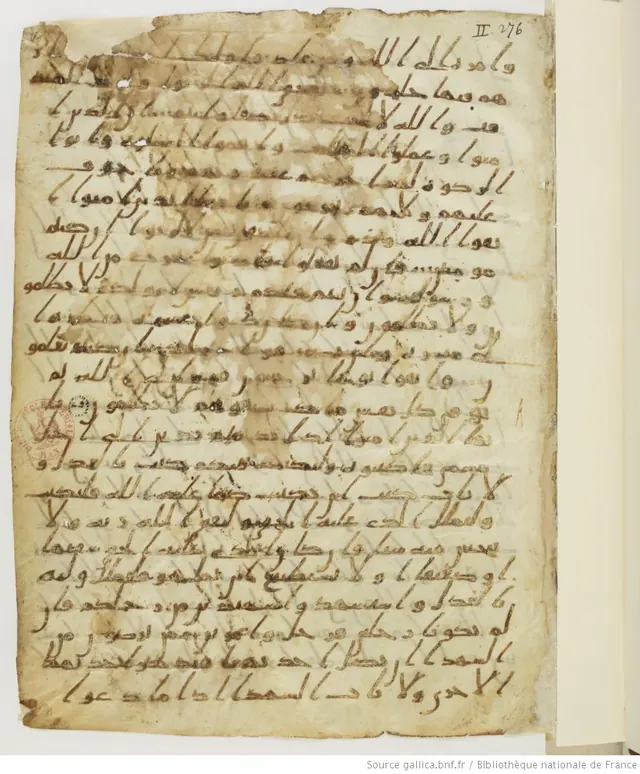
Codex Parisino-petropolitanus, c. late 7th–early 8th century
Codex Parisino-petropolitanus, c. late 7th–early 8th century · credit
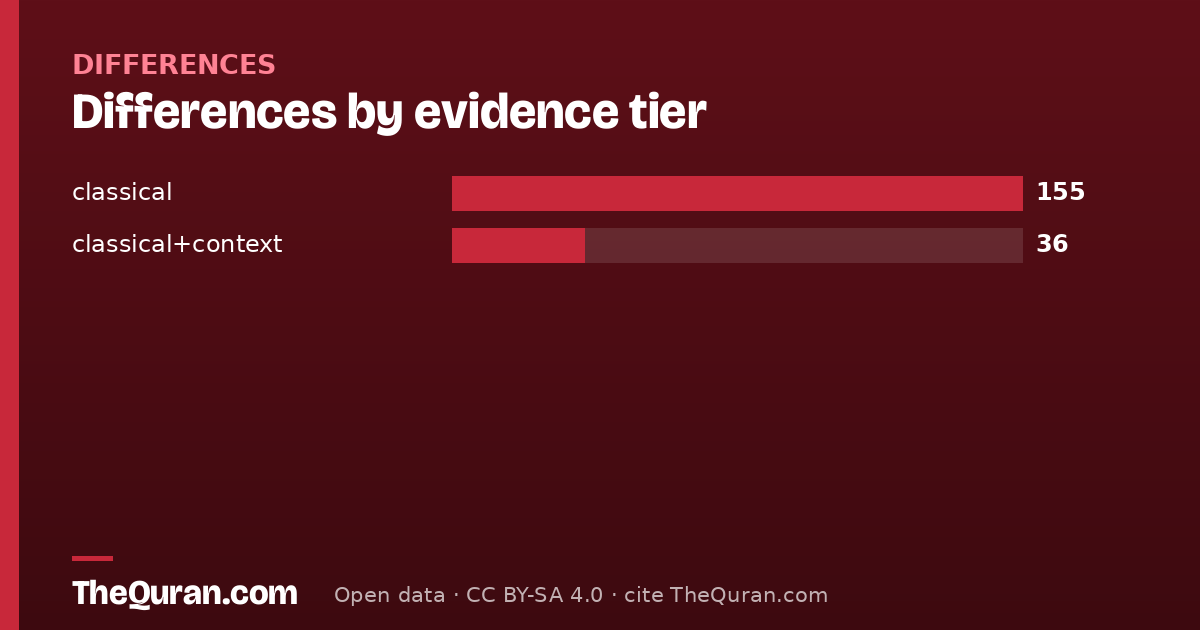
items
214201 original · 13 proposed
verses covered
3616% of 6,236
suras
43of 114
cite a source
100%0 cite none
Browse by category

The old site's categories

Each item is filed under one category from the old site's list (its most specific one); the other categories it carries still show as tags.

All category tags

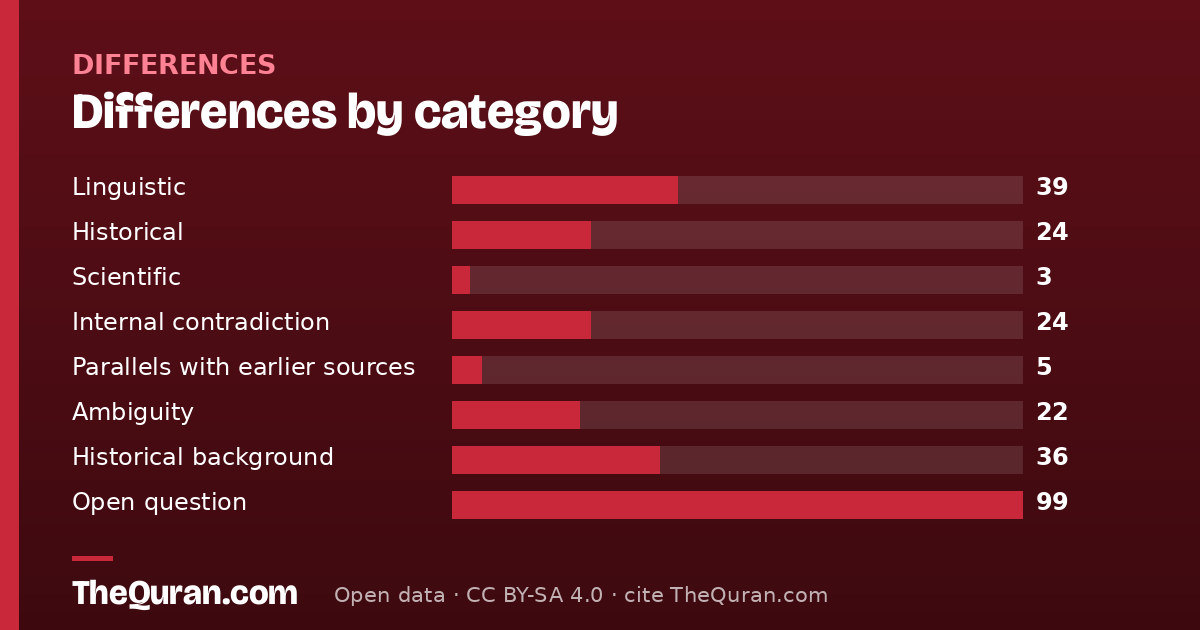
What the questions are about

  1. Open question · old label “Question” 105 49%
  2. Linguistic 42 20%
  3. Historical background · old label “Historical Background” 39 18%
  4. Historical 31 14%
  5. Internal contradiction · old label “Quranic Contradiction” 29 14%
  6. Ambiguity 25 12%
  7. Parallels with earlier sources · old label “Copied from other sources” 7 3%
  8. Scientific 4 2%
  9. Numerical 2 1%
  10. Geographical 1 0%

original site proposed · an item can carry more than one category, so the bars sum to more than 214.

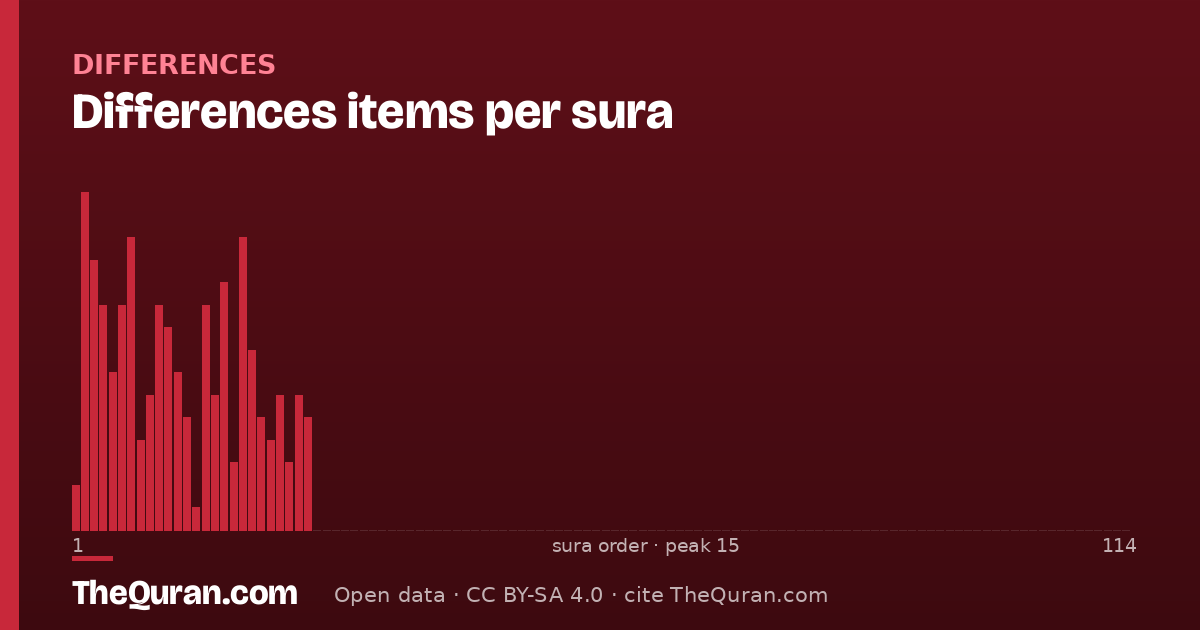
Across the Qur'an

Items per sura

1114sura order · darker = more items · none = blank
11 items · page 1 of 1 Clear
  1. 6:19 Historical background Open question Argument Historic sources cite that the leaders of the Quraysh tribe told Muhammad they did not believe in his prophetic calling. They informed him of their attempts to verify his claims to prophethood with the Jews and the Christians. Ho…
  2. 6:23 Internal contradiction Open question Argument The verse states that those who worship many gods will deny their polytheism on the Day of Judgment: “By God our Lord, we did not associate (others with thee)!” (Q 6.23). Yet, in another part of the same sūra, it reads that they …
  3. 6:372 verses Historical background Argument Muhammad’s opponents had repeatedly requested a miracle from him to prove that He was a prophet. It appears that a discussion had taken place between Muhammad and his opponents indicating that if Muhammad was the true prophet as …
  4. 6:38 Linguistic Open question Argument There are three comments regarding this verse: A.First comment: There is a redundancy in the verse. It says “a bird that flies with both its wings,” which is what the Arabic literally says. The verse clarifies something that does…
  5. 6:68 Historical background Argument Muhammad was socializing with a group of individuals from the Quraysh in order to invite them to the Islāmic faith. What he got from them in return was mockery of the Qur’ān. It was then that this verse came down, commanding Muha…
  6. 6:843 verses Historical Argument These verses mention some biblical figures in the following order: Isaac—Jacob—Noah—David—Solomon—Job—Joseph—Moses—Aaron— Zachariah—John—Jesus—Elias (Elijah)—Ishmael—Elisha—Jonas (Jonah)—Lot Notice in these verses that the above …
  7. 6:108 Open question Argument This verse says that Allah makes the people’s bad deeds attractive to them. If Allah lures people into doing bad deeds and then justifies them in their own eyes, would he be fair (just) to judge them for those same deeds? (See th…
  8. 6:114 Historical background Argument During the heat of the arguments with the polytheists of Mecca, after Muhammad had refused or could not present miracles as proof of his prophethood, his esteemed position was greatly shaken in Mecca. As a result, Muhammad told t…
  9. 6:130 Internal contradiction Open question Argument The verse says that “messengers” came to mankind and also to the jinn (ginn), who are believed to be invisible beings that coexist with humans. According to the way the verse reads in the Arabic text, Allah sent these messengers …
  10. 6:139 Linguistic Argument In the current Arabic Qur’ān the word khālis. a (“specially reserved”) is used in the feminine, while the word muh. arram (“forbidden”) is used in the masculine. The question then becomes, why did these two descriptions, “special…
  11. 6:164 Internal contradiction Argument This verse mentions that every human who is an evildoer will endure the consequences of his own deeds and that no person will be punished on another’s behalf: “...but no soul shall earn aught save against itself; nor shall one be…