TheQuran.com
Differences Analysis · argument tier

Questions raised about the text

Linguistic, historical, scientific and internal-consistency questions, verse by verse. Each item is an argument, with the sources it cites and a place for the responses.

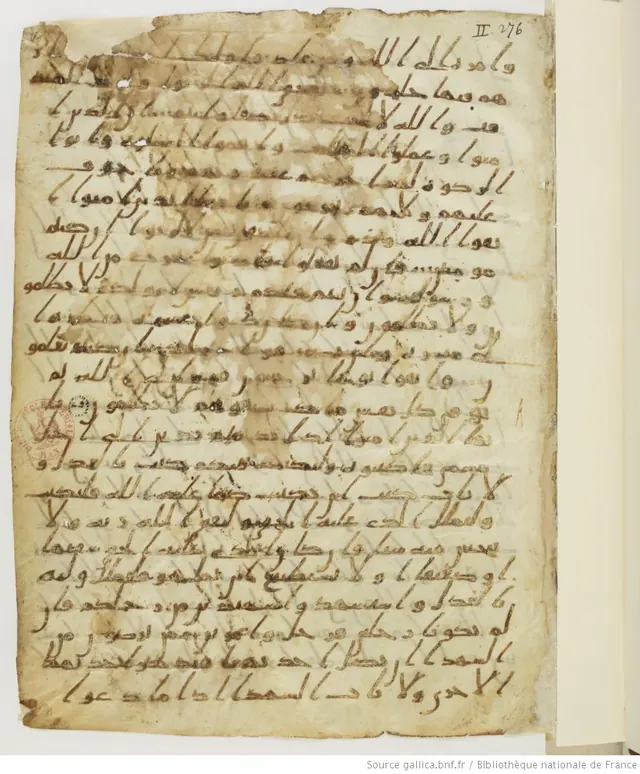
Codex Parisino-petropolitanus, c. late 7th–early 8th century
Codex Parisino-petropolitanus, c. late 7th–early 8th century · credit
items
214201 original · 13 proposed
verses covered
3616% of 6,236
suras
43of 114
cite a source
100%0 cite none
Browse by category

The old site's categories

Each item is filed under one category from the old site's list (its most specific one); the other categories it carries still show as tags.

All category tags

What the questions are about

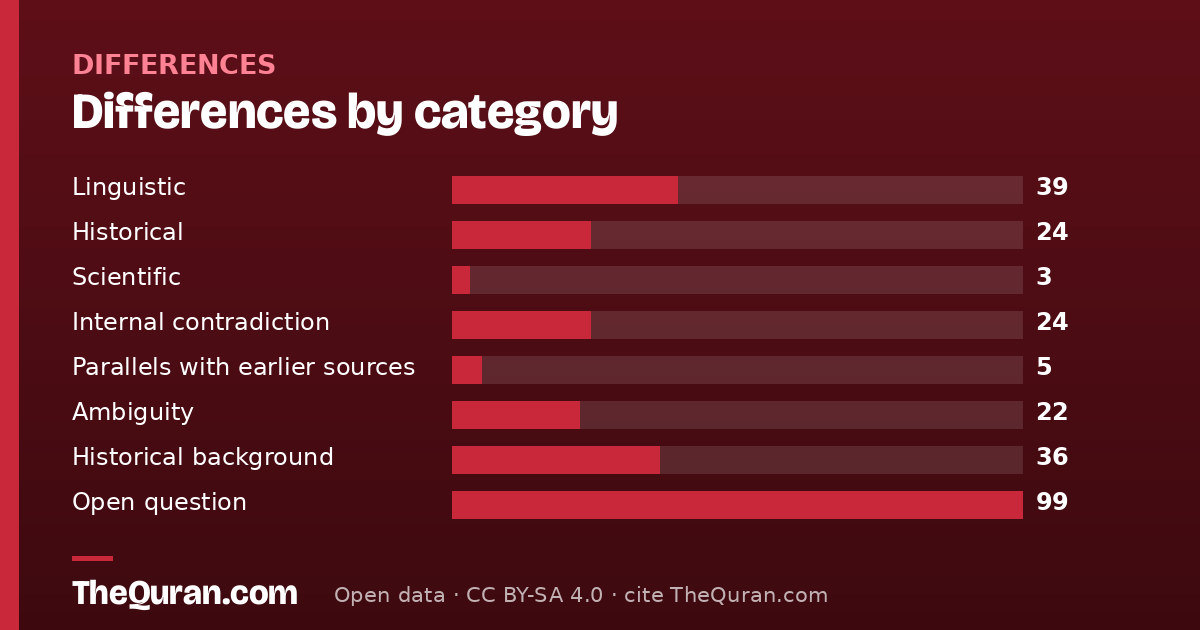
  1. Open question · old label “Question” 105 49%
  2. Linguistic 42 20%
  3. Historical background · old label “Historical Background” 39 18%
  4. Historical 31 14%
  5. Internal contradiction · old label “Quranic Contradiction” 29 14%
  6. Ambiguity 25 12%
  7. Parallels with earlier sources · old label “Copied from other sources” 7 3%
  8. Scientific 4 2%
  9. Numerical 2 1%
  10. Geographical 1 0%

original site proposed · an item can carry more than one category, so the bars sum to more than 214.

Across the Qur'an

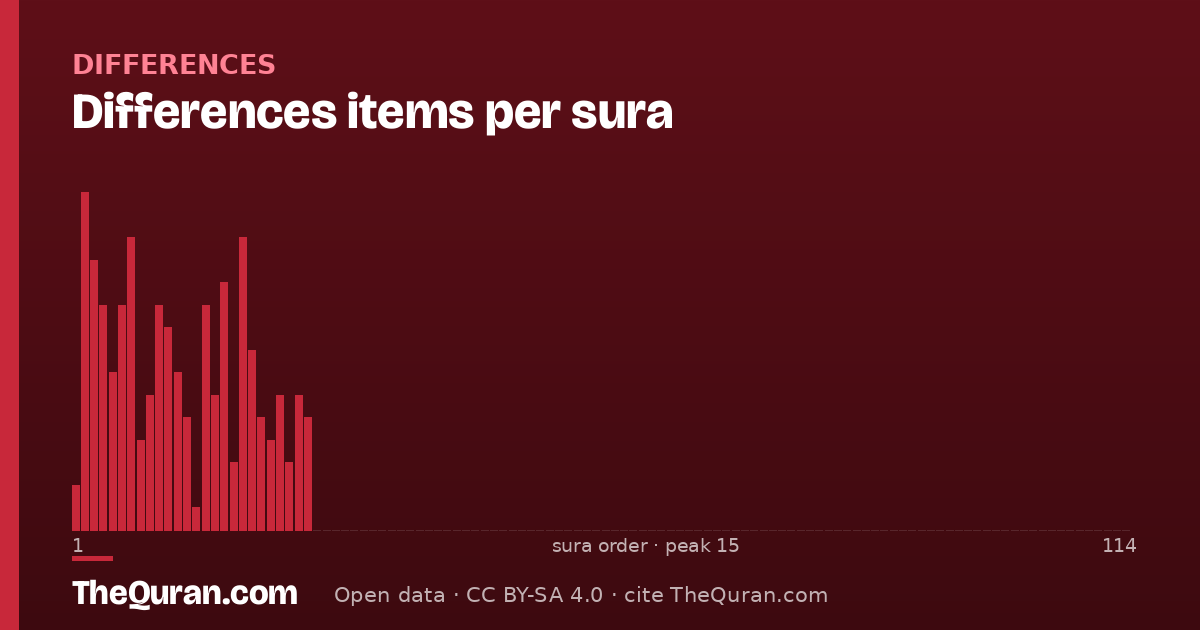
Items per sura

1114sura order · darker = more items · none = blank
8 items · page 1 of 1 Clear
  1. 5:1 Linguistic Historical backgroundOpen question Argument This verse first commands Muslims to keep all their obligations ( compacts, covenants or contracts). Then it adds this declaration: “Lawful for you are brute beasts....” This statement means that these animals, al-an‘ām or “cattl…
  2. 5:6 Linguistic Historical backgroundOpen question Argument This verse points out the causes that would break one’s ablution, including, “if one of you come from the privy, or if ye have touched women...” (Q 5.6). This phrase is also found verbatim in Q 4.43: “...or one of you come from t…
  3. 5:14 Open question Argument This verse tells us that Allah mandated that Christians enter into a covenant with him. Al-Rāzī clarifies that this covenant was the belief in Muhammad; however, when Christians broke the covenant, Allah declared, “...we excited …
  4. 5:15 Historical background Open question Argument This verse addresses both the Jews and Christians, stating that Muhammad had come to them, “to explain to you much of what ye had hidden of the Book.” However, Muhammad did not present or explain the documents that were allegedly…
  5. 5:38 Historical background Open question Argument This verse outlines the punishment of theft as the amputation of the thief’s hand. Most modern Muslims do not know that this punishment was practiced before Islām. In fact, the first person to order this form of punishment was al…
  6. 5:64 Historical background Open question Argument This verse attributes the phrase “God’s hand is fettered” as coming from the Jews. This expression of “tightfistedness” is descriptive of stinginess. Therefore, the verse accuses the Jews of blasphemy because they are calling All…
  7. 5:69 Linguistic Argument In the current Arabic Qur’ān, the word Sabaeans is actually written in its plural nominative form, Sābi’ūn, which should have been in the objective (accusative) form Sābi’īn, as it is written in other verses: “...those who believ…
  8. 69:464 verses Internal contradiction Argument added in review The cut aorta and the false prophet The Qurʾān says that if the Prophet had invented sayings, God would have cut his aorta (al-watīn). It also says God will protect him from the people (5:67). Ḥadīth reports the Prophet saying, as he was dying, that he felt his aor…