TheQuran.com
Differences Analysis · argument tier

Questions raised about the text

Linguistic, historical, scientific and internal-consistency questions, verse by verse. Each item is an argument, with the sources it cites and a place for the responses.

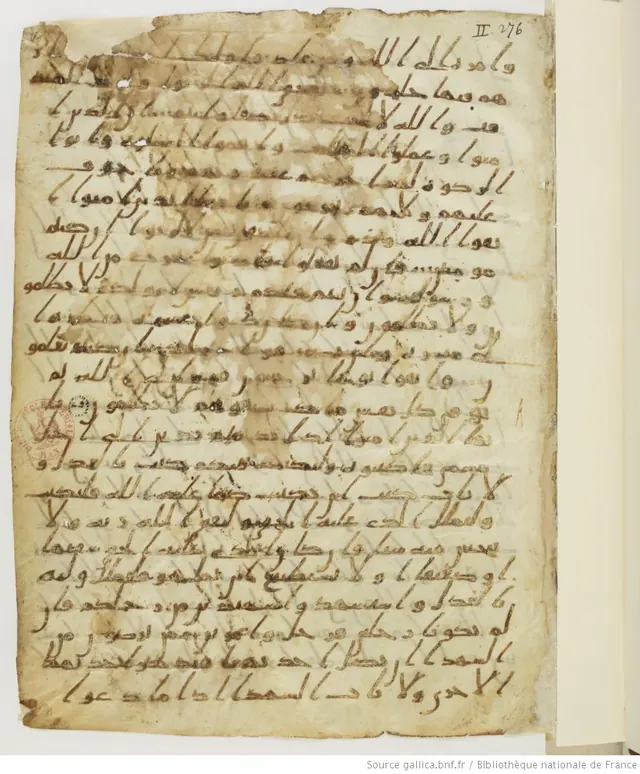
Codex Parisino-petropolitanus, c. late 7th–early 8th century
Codex Parisino-petropolitanus, c. late 7th–early 8th century · credit
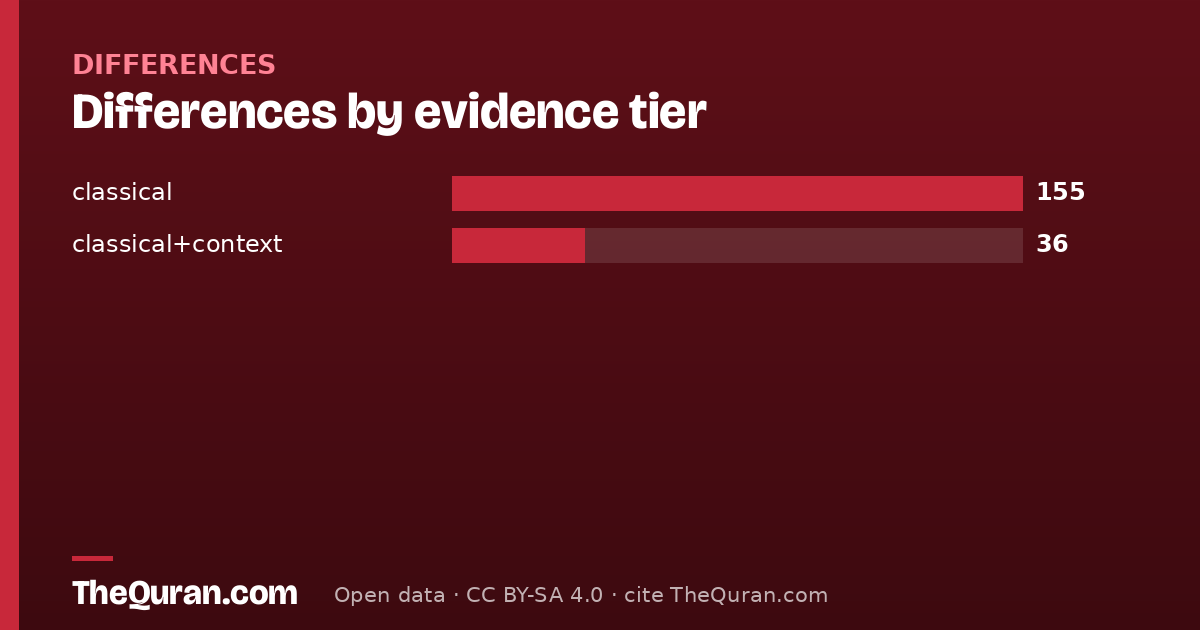
items
214201 original · 13 proposed
verses covered
3616% of 6,236
suras
43of 114
cite a source
100%0 cite none
Browse by category

The old site's categories

Each item is filed under one category from the old site's list (its most specific one); the other categories it carries still show as tags.

All category tags

What the questions are about

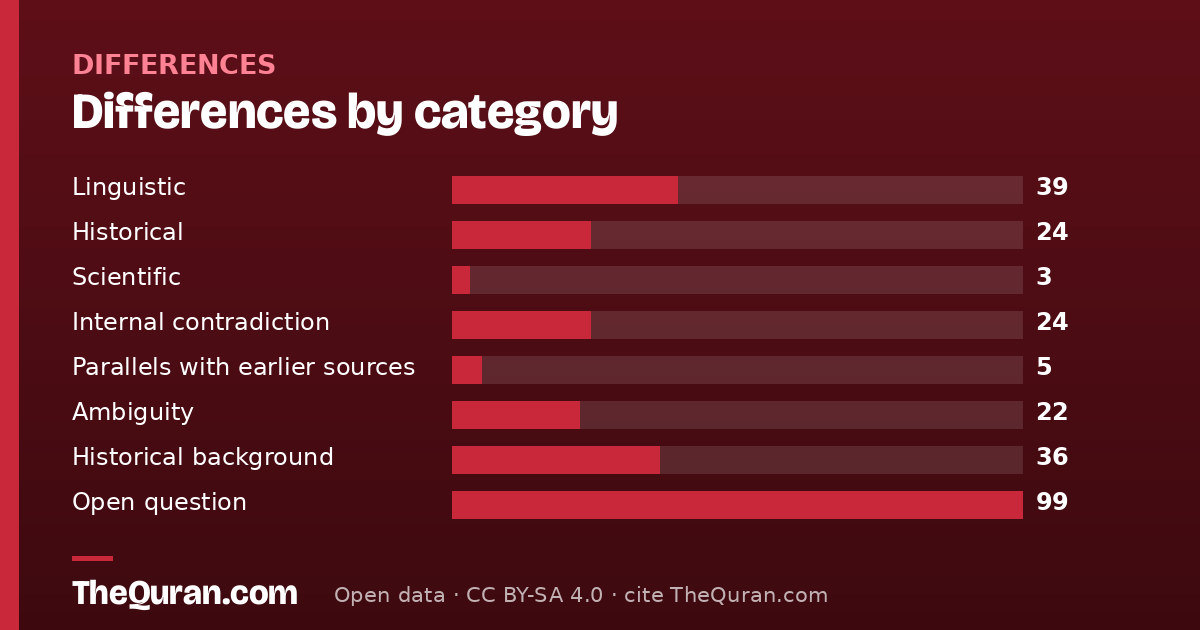
  1. Open question · old label “Question” 105 49%
  2. Linguistic 42 20%
  3. Historical background · old label “Historical Background” 39 18%
  4. Historical 31 14%
  5. Internal contradiction · old label “Quranic Contradiction” 29 14%
  6. Ambiguity 25 12%
  7. Parallels with earlier sources · old label “Copied from other sources” 7 3%
  8. Scientific 4 2%
  9. Numerical 2 1%
  10. Geographical 1 0%

original site proposed · an item can carry more than one category, so the bars sum to more than 214.

Across the Qur'an

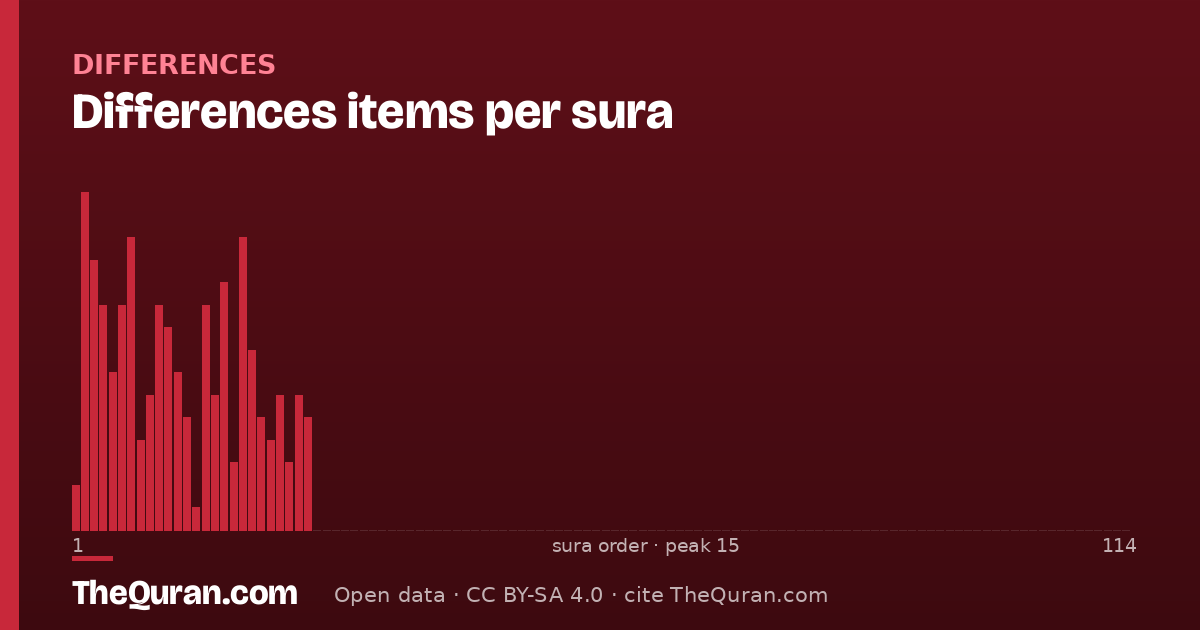
Items per sura

1114sura order · darker = more items · none = blank
11 items · page 1 of 1 Clear
  1. 2:552 verses Historical AmbiguityOpen question Argument This verse describes a scene from Moses’ journey with the Israelites in the wilderness after leaving Egypt. According to al-Tabarī’s commentary, prior to this response from Moses (verse 55), he was with a group of Jewish people w…
  2. 4:22 verses Linguistic Historical backgroundOpen question Argument In the first verse, the Qur’ān warns Muslims against seizing the money of orphans, considering it a great sin (Q 4.2). In the next verse, it tells Muslim men “if ye fear” that they shall not be able to deal justly with orphans, t…
  3. 4:15 Linguistic Argument The verse determines the penalty for women who “commit adultery” by confining them to their houses “until death releases them.” In Arabic, this phrase is more literally translated “until they pass away by death.” Since there is n…
  4. 4:20 Linguistic Ambiguity Argument This verse commands men not to take a woman’s dowry “for a calumny.” The term “calumny” was used in this verse outside of its proper linguistic meaning. Calumny means slander. However, the act of not giving the woman her dowry is…
  5. 4:49 Internal contradiction Historical backgroundOpen question Argument The reports state that the Jews and Christians used to boast, saying, “We are the sons of God and His beloved...” (Q 5.18). So Muammad answered them by saying that it was not permitted for people to praise themselves, and that pr…
  6. 4:512 verses Historical background Open question Argument This verse accuses “those to whom a portion of the Book has been given” that they “believe in Gibt and Taghut.” According to the Arabic concordance al-Qāmūs al-Muhīt., Gibt means idols or other false deities and Tāghūt means the …
  7. 4:782 verses Internal contradiction Argument Contradictions in the Qur’ān usually occur in verses that are apart from each other in the same sūra or in verses from different sūras. However, in this passage, the contradiction occurs in two consecutive verses. Q 4.78 teaches …
  8. 4:136 Linguistic Historical backgroundOpen question Argument This verse demands of Muslims to believe in Allah and his messenger. Linguistic scholars call these forms of speech “clarifying the obvious.” How could a believer be asked to believe? This is why scholars attempted to remove the …
  9. 4:157 Internal contradiction Historical backgroundOpen question Argument This verse recounts a discussion where the Jews said that they were responsible for the crucifixion of Jesus. But Muhammad twisted this declaration in order to enforce his own teachings that Jesus was not crucified. Therefore, he…
  10. 4:158 Internal contradiction Historical backgroundOpen question Argument This verse recounts a discussion where the Jews said that they were responsible for the crucifixion of Jesus. But Muhammad twisted this declaration in order to enforce his own teachings that Jesus was not crucified. Therefore, he…
  11. 4:1622 verses Linguistic Argument The verse contains a contradiction to Arabic grammatical rules. The verse in Arabic uses the wrong grammatical case: hadhān instead of hadhāīn for “the twain.” ‘Ā’isha, the favorite wife of Muhammad, conceded that human error was…