TheQuran.com
Differences Analysis · argument tier

Questions raised about the text

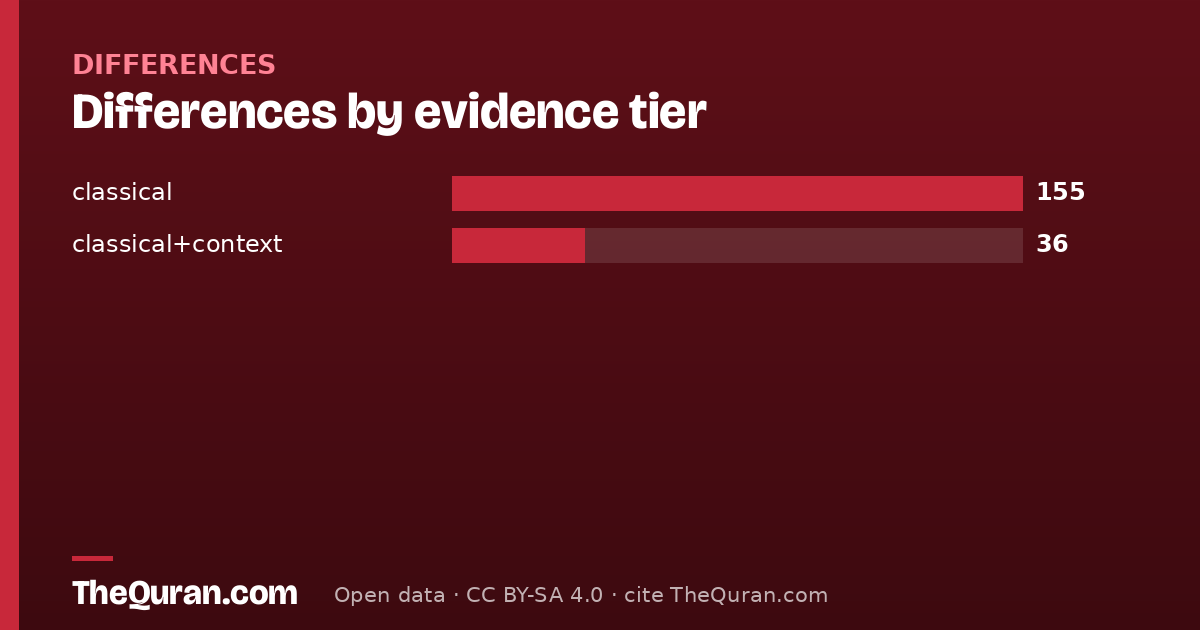
Linguistic, historical, scientific and internal-consistency questions, verse by verse. Each item is an argument, with the sources it cites and a place for the responses.

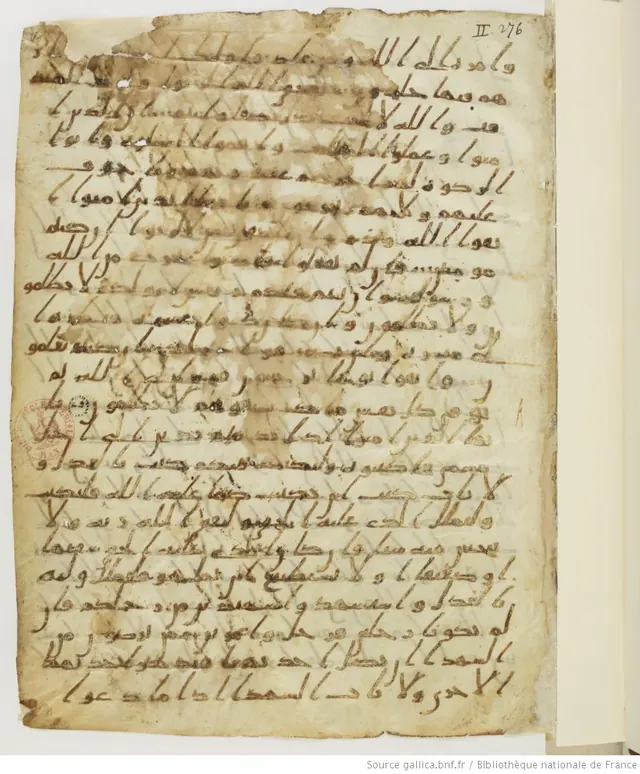
Codex Parisino-petropolitanus, c. late 7th–early 8th century
Codex Parisino-petropolitanus, c. late 7th–early 8th century · credit
items
214201 original · 13 proposed
verses covered
3616% of 6,236
suras
43of 114
cite a source
100%0 cite none
Browse by category

The old site's categories

Each item is filed under one category from the old site's list (its most specific one); the other categories it carries still show as tags.

All category tags

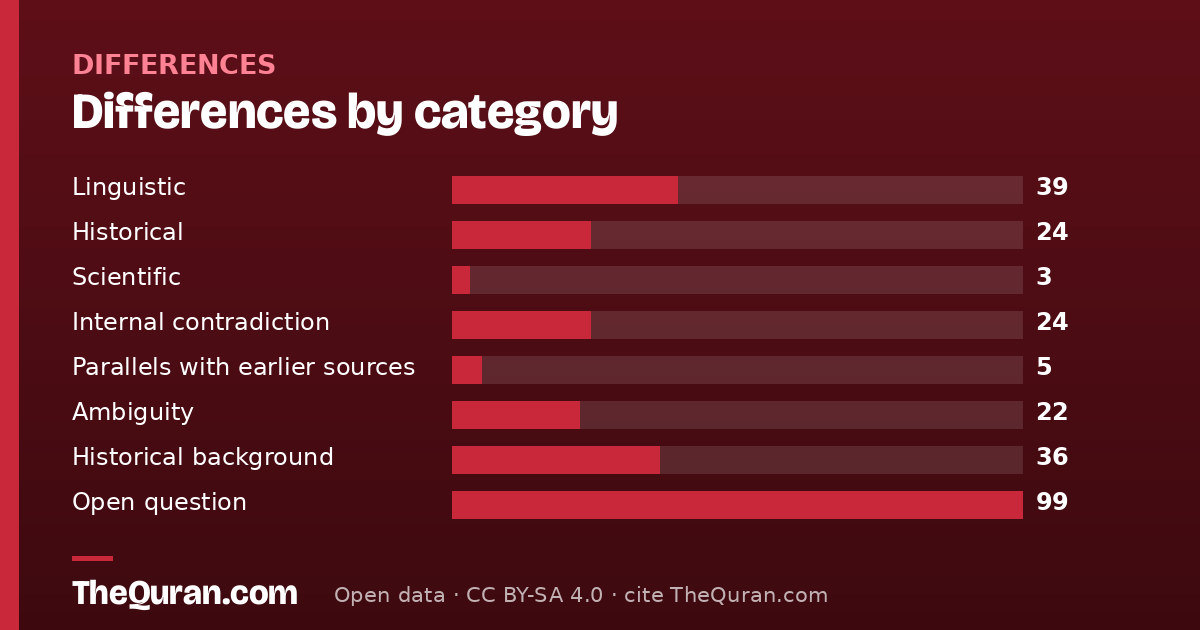
What the questions are about

  1. Open question · old label “Question” 105 49%
  2. Linguistic 42 20%
  3. Historical background · old label “Historical Background” 39 18%
  4. Historical 31 14%
  5. Internal contradiction · old label “Quranic Contradiction” 29 14%
  6. Ambiguity 25 12%
  7. Parallels with earlier sources · old label “Copied from other sources” 7 3%
  8. Scientific 4 2%
  9. Numerical 2 1%
  10. Geographical 1 0%

original site proposed · an item can carry more than one category, so the bars sum to more than 214.

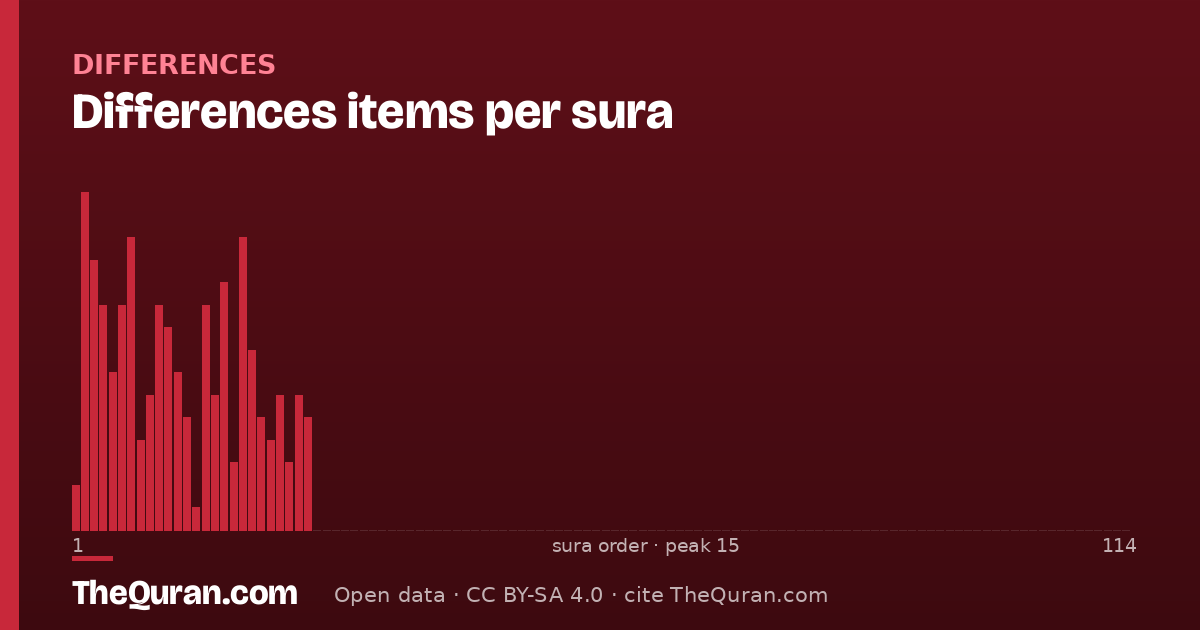
Across the Qur'an

Items per sura

1114sura order · darker = more items · none = blank
6 items · page 1 of 1 Clear
  1. 23:6 Open question Argument The verse permits sexual intercourse between Muslim men and their female slaves, an act that is not counted as a sin for any Muslim man because the slave woman has no right to protect her body. (See the section Female Slaves in t…
  2. 23:14 Historical background Argument Allah is described in two locations as “the best of creators” (Q 23.14 and Q 37.125). The meaning of this description of Allah has become a source of contention among Islamic scholars, leading some to say that this description me…
  3. 23:17 Linguistic Argument Commentators interpret the word Tar'ek ("Roads, Tracts or Paths'') as "Heavens". Such interpretation is supported as follows: Heavens is Tra'ek in the sense of "layers of clothing" Heavens is Tra'ek in the sense of "trajectories …
  4. 23:97 Open question Argument Muslim exegetes explain that the phrase “the incitings of the devils” means their insinuations and whispers. They also state that Muhammad was commanded to seek refuge in Allah from their effects in his life and decisions. This v…
  5. 23:99 Linguistic Argument The text in this verse presents two issues: Grammatical inconsistencies The verse begins with a singular address to Allah (“he says, ‘My Lord!’”) but changes to a plural address, arji‘ūni (“send ye me back”). The word arji‘ūni is…
  6. 23:101 Internal contradiction Argument In Arabic, the verse states that on the Day of Judgment people will not question each other. (The closest English translation is found in Arberry: “For when the Trumpet is blown, that day there shall be no kinship any more betwee…