TheQuran.com
Differences Analysis · argument tier

Questions raised about the text

Linguistic, historical, scientific and internal-consistency questions, verse by verse. Each item is an argument, with the sources it cites and a place for the responses.

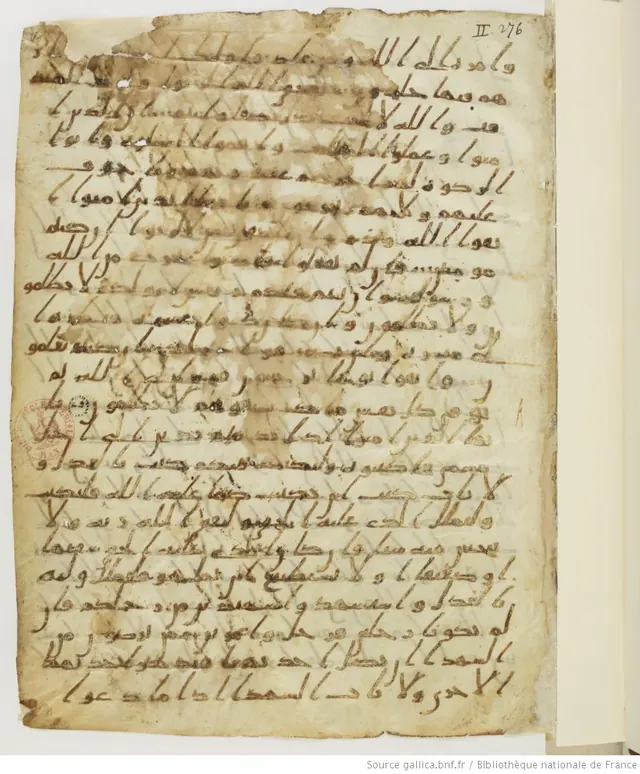
Codex Parisino-petropolitanus, c. late 7th–early 8th century
Codex Parisino-petropolitanus, c. late 7th–early 8th century · credit
items
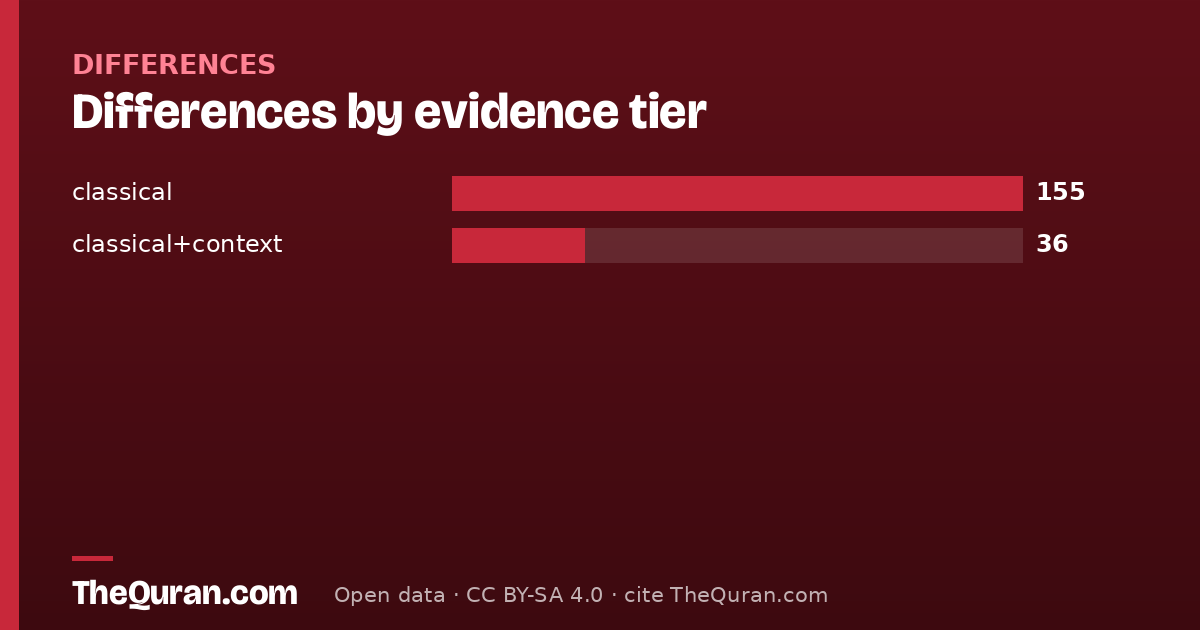
214201 original · 13 proposed
verses covered
3616% of 6,236
suras
43of 114
cite a source
100%0 cite none
Browse by category

The old site's categories

Each item is filed under one category from the old site's list (its most specific one); the other categories it carries still show as tags.

All category tags

What the questions are about

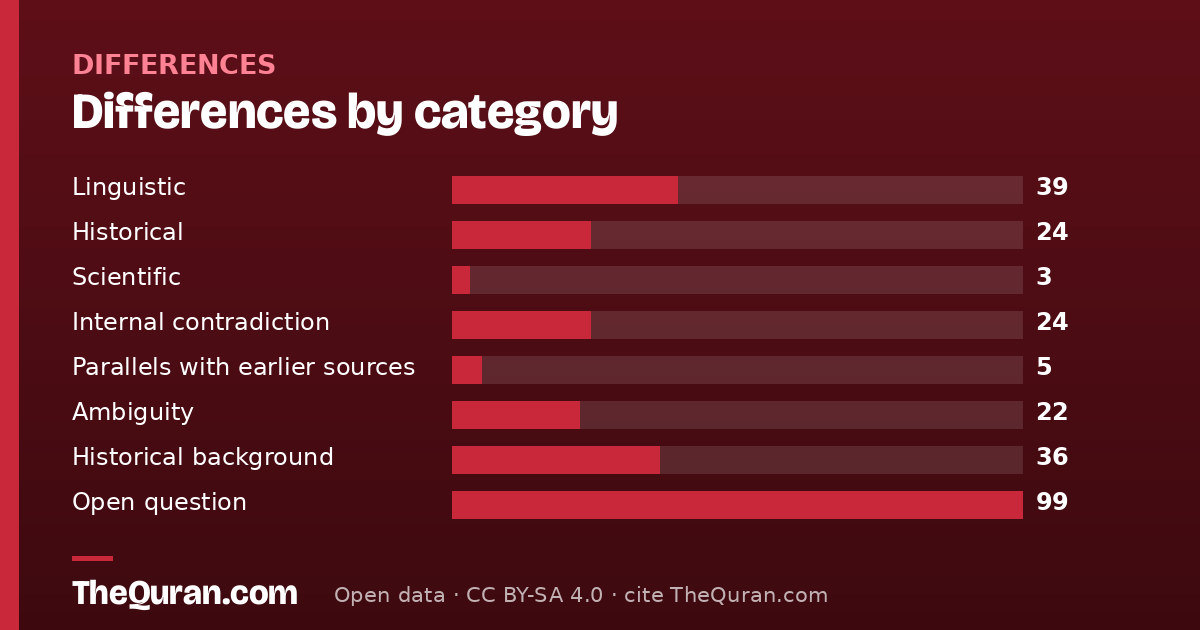
  1. Open question · old label “Question” 105 49%
  2. Linguistic 42 20%
  3. Historical background · old label “Historical Background” 39 18%
  4. Historical 31 14%
  5. Internal contradiction · old label “Quranic Contradiction” 29 14%
  6. Ambiguity 25 12%
  7. Parallels with earlier sources · old label “Copied from other sources” 7 3%
  8. Scientific 4 2%
  9. Numerical 2 1%
  10. Geographical 1 0%

original site proposed · an item can carry more than one category, so the bars sum to more than 214.

Across the Qur'an

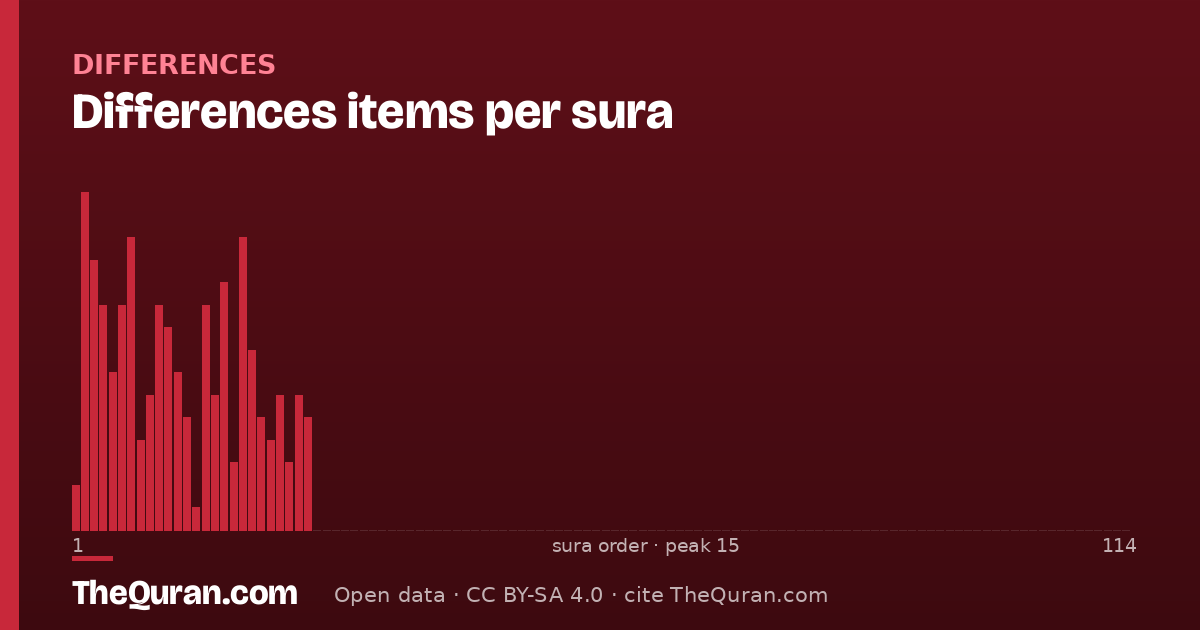
Items per sura

1114sura order · darker = more items · none = blank
14 items · page 1 of 1 Clear
  1. 19:16 Ambiguity Argument This text mentions the details of Mary’s distancing herself from her family by going toward an eastern region. Some Islamic commentators have stated that the location is east of Jerusalem. Others believe that she went into seclus…
  2. 19:17 Ambiguity Argument The verse states that Allah sent his “spirit” to Mary. Muslim exegetes explain that the spirit is Jibrīl, who appeared to her as a human. It is said that Jibrīl is called the “spirit” “figuratively, out of love for him”. On the o…
  3. 19:18 Linguistic Argument When the angel appears to Mary, she says, “Verily, I take refuge in the Merciful One from thee, if thou art pious.” There is a contradiction in her words. One does not seek refuge in God from a pious person. Qur’ānic critics have…
  4. 19:24 Open question Argument Muslim exegetes disagree concerning the identity of the one who “called to her”: was it Jesus or Jibrīl? Some hold that it was Jibrīl and claim that “from beneath her'' means between her hands. Others state that it was Jesus and …
  5. 19:26 Ambiguity Argument The verse states that Mary was asked to say that she vowed to fast. Muslim exegetes agree that the intended fast is silence. For this reason, some of the readers read the word as samtan (“silence”). Some also read it as sawman sa…
  6. 19:272 verses Open question Argument The name Mary in English is actually Miriam in Hebrew. Thus, the Hebrew name for the mother of Jesus is Miriam. The Arabic form of Miriam is Maryam. The name Maryam is used in the Qur’ān to identify both Mary, the mother of Jesus…
  7. 19:30 Open question Argument This verse states that Jesus—the infant—was made to speak by Allah, declaring himself a “servant of God” (‘Abd Allah). The clear intention behind making Jesus speak as an infant in the cradle is to refute the Christian doctrine o…
  8. 19:36 Linguistic Argument Concerning the speaker in the verse who says, “God is my Lord,” al-Rāzī mentions two opinions: The speaker is Muhammad. The speaker is Jesus, as the verse starts with “and” following “Verily, I am a servant of God; He has brought…
  9. 19:49 Historical Open question Argument The verse states that God granted Abraham son Isaac and grandson Jacob but does not mention the rest of Abraham’s children or descendants, most prominently Ishmael, son of Abraham and slave woman Hagar. It is not clear why Ishmae…
  10. 19:56 Historical Argument The verse mentions the name Idrīs, a name that is not mentioned in ancient histories. Muslim exegetes say that he was a prophet who was lifted up to heaven. This description points to Enoch as the one called Idrīs in the Qur’ān. …
  11. 19:61 Linguistic Argument The Arabic verb translated by Palmer as “comes to pass” is ma’tiyan. In Arabic, the verb is actually in the passive voice—“made to pass”—instead of the active. The intended meaning requires the active voice as Palmer correctly tr…
  12. 19:63 Open question Argument The verse promises al-Janna (“Paradise”) to the pious worshippers, “our servants who are pious.” Question: How can there be a pious worshipper and a worshipper who is not pious? Though the Islamic commentaries ignore this issue, …
  13. 19:82 Open question Argument In this verse, the antecedent to the pronoun “they” (“They shall deny...”) is not clearly discernible. Does this pronoun refer to the worshippers or those who are being worshipped? Some Islamic scholars suggest that Allah will ra…
  14. 19:83 Open question Argument The verse discusses Allah’s granting Satan the power to lure people and lead them to deviance. (The same issue is addressed in another sura. See the critical analysis of Q 17.64).