TheQuran.com
Differences Analysis · argument tier

Questions raised about the text

Linguistic, historical, scientific and internal-consistency questions, verse by verse. Each item is an argument, with the sources it cites and a place for the responses.

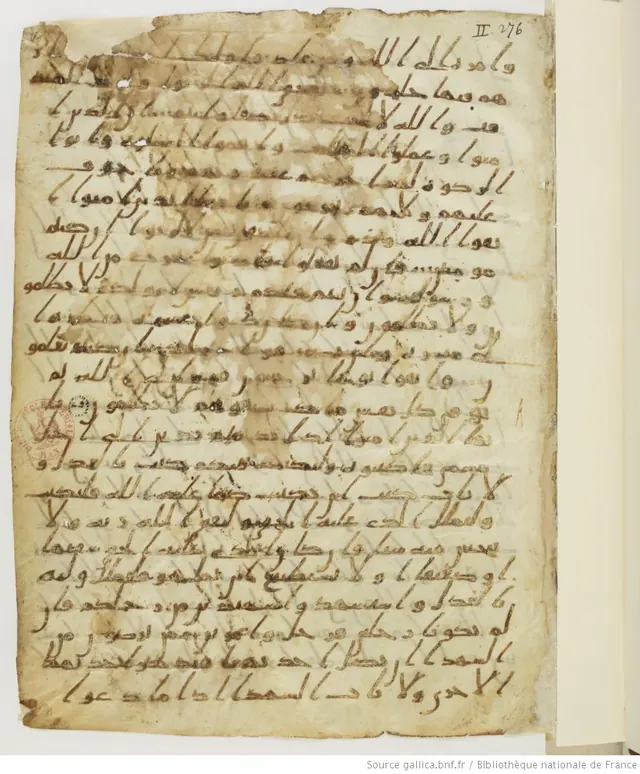
Codex Parisino-petropolitanus, c. late 7th–early 8th century
Codex Parisino-petropolitanus, c. late 7th–early 8th century · credit
items
214201 original · 13 proposed
verses covered
3616% of 6,236
suras
43of 114
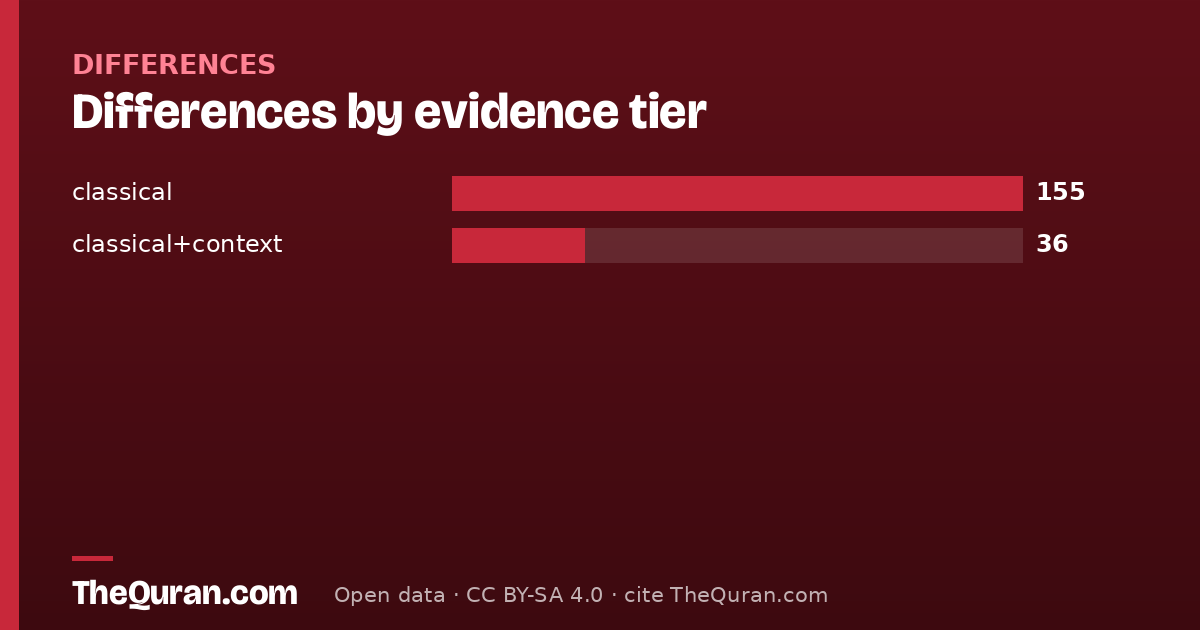
cite a source
100%0 cite none
Browse by category

The old site's categories

Each item is filed under one category from the old site's list (its most specific one); the other categories it carries still show as tags.

All category tags

What the questions are about

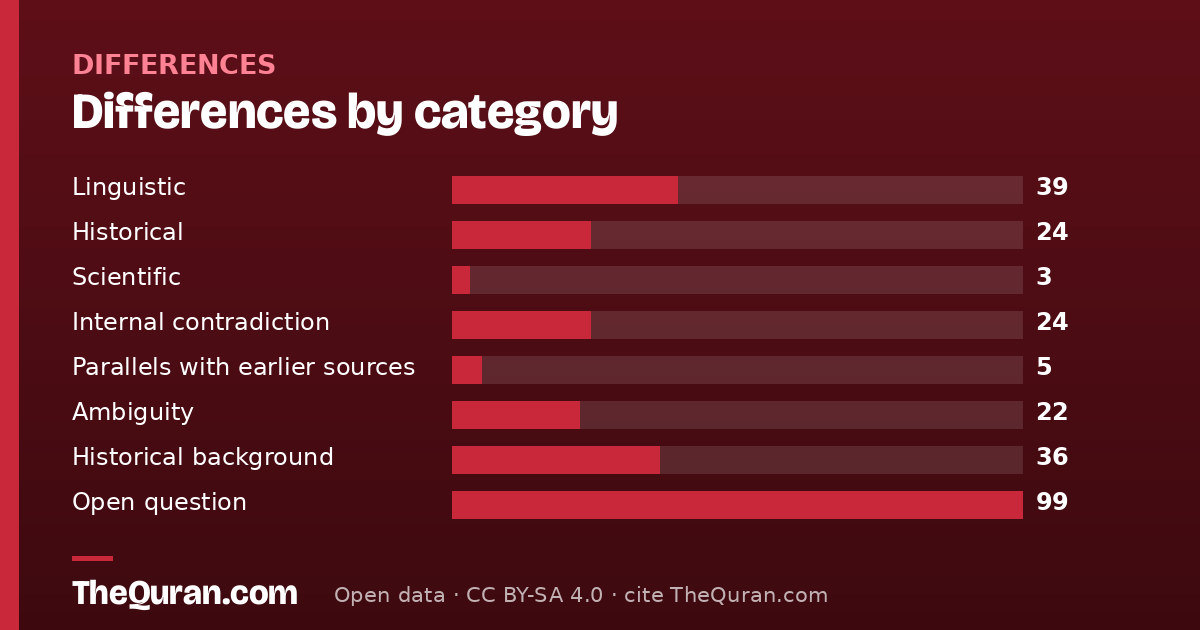
  1. Open question · old label “Question” 105 49%
  2. Linguistic 42 20%
  3. Historical background · old label “Historical Background” 39 18%
  4. Historical 31 14%
  5. Internal contradiction · old label “Quranic Contradiction” 29 14%
  6. Ambiguity 25 12%
  7. Parallels with earlier sources · old label “Copied from other sources” 7 3%
  8. Scientific 4 2%
  9. Numerical 2 1%
  10. Geographical 1 0%

original site proposed · an item can carry more than one category, so the bars sum to more than 214.

Across the Qur'an

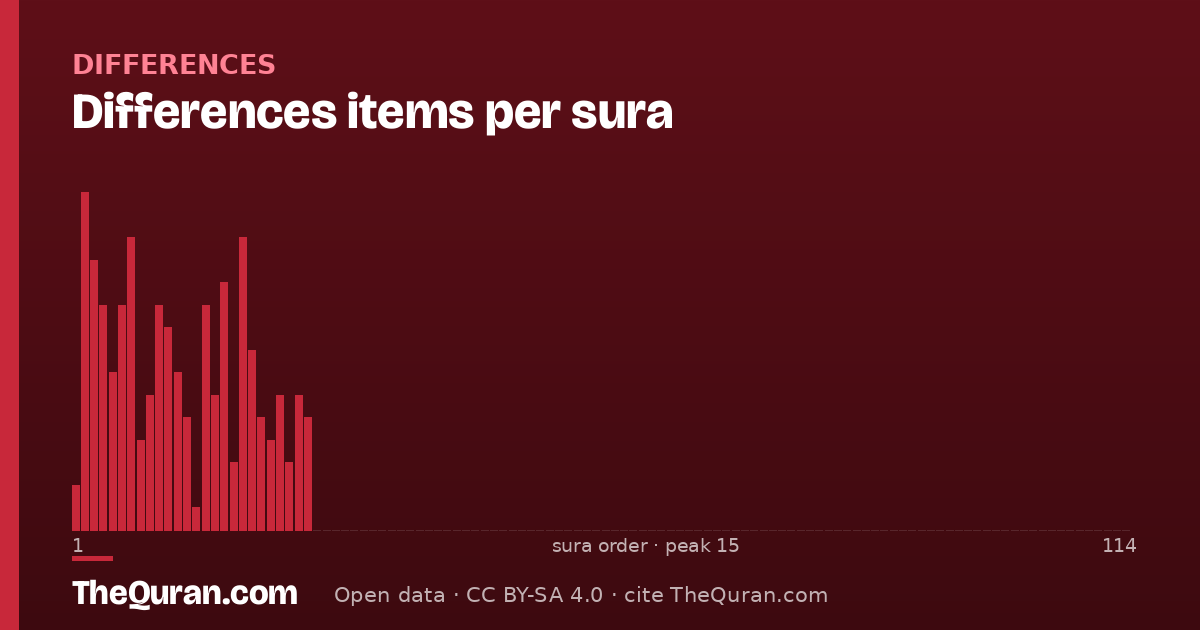
Items per sura

1114sura order · darker = more items · none = blank
8 items · page 1 of 1 Clear
  1. 2:972 verses Internal contradiction Open question Argument This verse states that the angel Gabriel (Jibrīl) is the one who transmitted the Qur’ān to Muhammad. However, another Qur’ānic text states that the Holy Spirit is the one who carried out this task: “Say, ‘The Holy Spirit brought …
  2. 13:33 verses Scientific Open question Argument Islamic commentaries explain rawāsī to mean “steadfast or firm.” Al-Qurţubī explains that the earth is anchored by the mountains and thus made steady. Islamic commentator Ibn Kathīr presents a theory adopted by the commentators c…
  3. 16:21 Open question Argument This verse presents two issues: Redundant prose The verse describes the idols as “[d]ead, not living.” The word “dead” would have been sufficient in Arabic to describe their state. Why does the verse add “not living”? What manner…
  4. 16:24 Historical background Argument The verse informs the reader that the Quraysh accused Muhammad of reciting Qur’ānic verses to his Companions that were not revelations from God but merely stories taken from prior books, or “‘Old folks’ tales!’” (See the critical…
  5. 16:26 Open question Argument The Qur’ānic story in this verse does not clearly identify the mentioned group of people nor provides any clues to help the reader. To resolve this problem, Islamic commentators suggest that the verse is speaking about Nimrod and…
  6. 16:76 Open question Argument In trying to clarify the incapability of idols, Islamic commentators suggest that this verse compares an idol to a mute man. Al-Ţabarī explains that just as a mute man is a burden to his family, so is the idol a burden to his own…
  7. 16:843 verses Internal contradiction Argument Verse 84 states that “those who misbelieve not be allowed (to excuse themselves).” But, two verses later (Q 16.86) the Qur’ān states that they (misbelievers) will speak: “And when those who join their partners with God say, ‘Our …
  8. 16:100 Linguistic Argument The problem with this verse is not as clearly seen as it is in other translations: “His authority is only over those who befriend him and those who associate others with Him” (Shakir trans.; emphasis added). To whom does the seco…