TheQuran.com
Differences Analysis · argument tier

Questions raised about the text

Linguistic, historical, scientific and internal-consistency questions, verse by verse. Each item is an argument, with the sources it cites and a place for the responses.

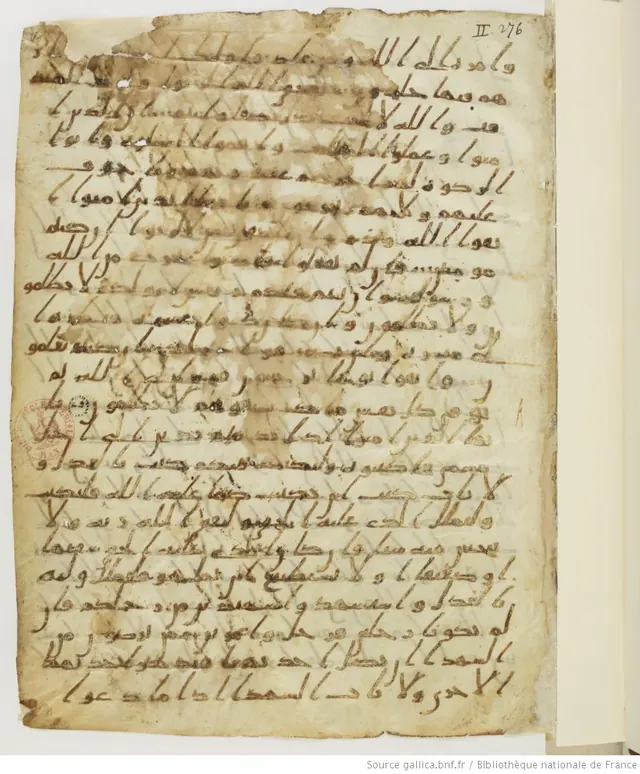
Codex Parisino-petropolitanus, c. late 7th–early 8th century
Codex Parisino-petropolitanus, c. late 7th–early 8th century · credit
items
214201 original · 13 proposed
verses covered
3616% of 6,236
suras
43of 114
cite a source
100%0 cite none
Browse by category

The old site's categories

Each item is filed under one category from the old site's list (its most specific one); the other categories it carries still show as tags.

All category tags

What the questions are about

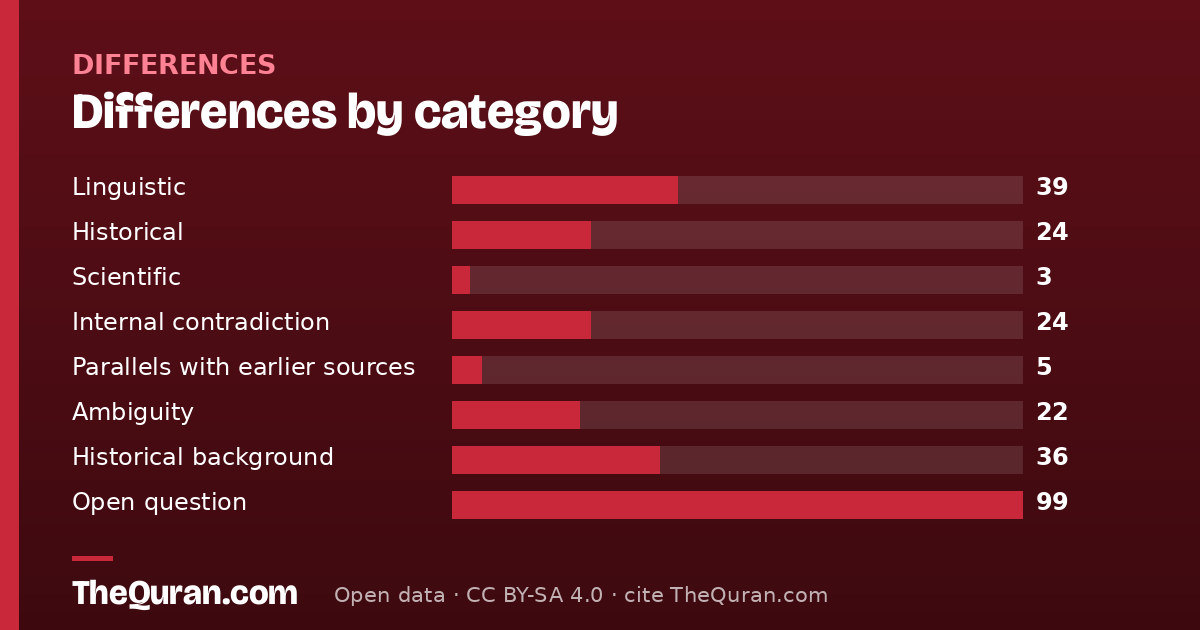
  1. Open question · old label “Question” 105 49%
  2. Linguistic 42 20%
  3. Historical background · old label “Historical Background” 39 18%
  4. Historical 31 14%
  5. Internal contradiction · old label “Quranic Contradiction” 29 14%
  6. Ambiguity 25 12%
  7. Parallels with earlier sources · old label “Copied from other sources” 7 3%
  8. Scientific 4 2%
  9. Numerical 2 1%
  10. Geographical 1 0%

original site proposed · an item can carry more than one category, so the bars sum to more than 214.

Across the Qur'an

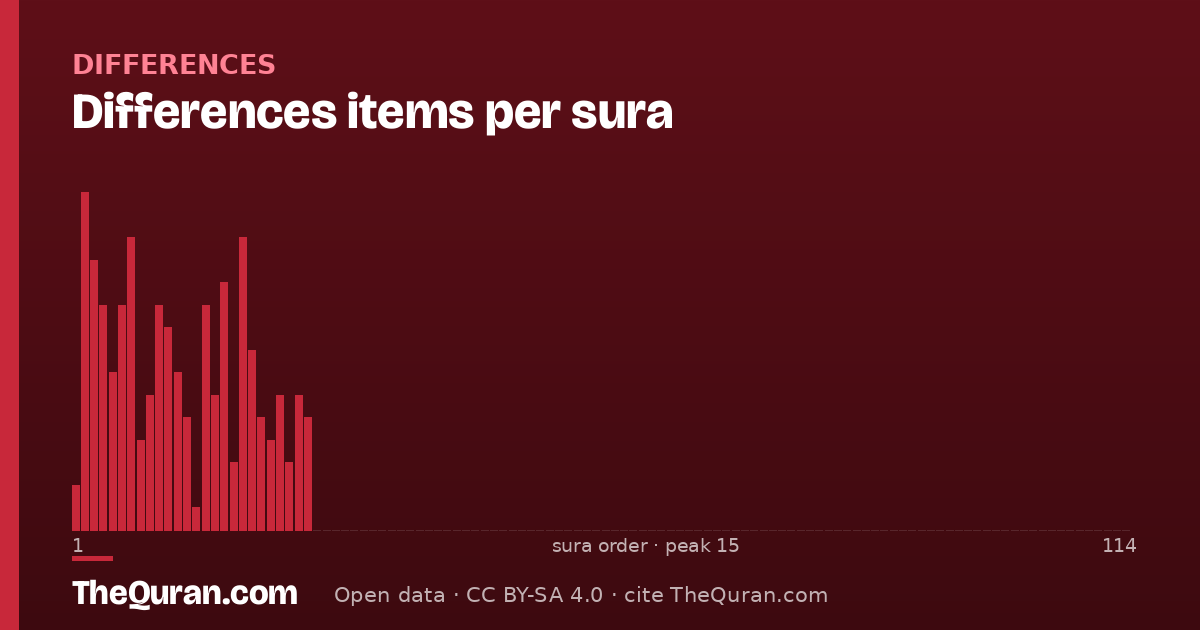
Items per sura

1114sura order · darker = more items · none = blank
10 items · page 1 of 1 Clear
  1. 11:12 Open question Argument This verse describes Muḥammad’s hesitancy towards his people about dropping parts of the Qur’ān that displease them. It is as if the verse is asking, “Muḥammad, are you thinking about hiding parts of the verses of the Qur’ān? Are…
  2. 11:34 Open question Argument In this verse, Noah declares his inability to convince his people to believe if Allah’s will is to lead them into sin. Based on this verse, al-Qurṭubī rejects the opinion of some Muslim scholars who believe that humans are free t…
  3. 11:40 Open question Argument The verse states that the Flood was preceded by the eruption of tannūr, which normally means “oven.” However, Muslim scholars disagree about this word’s meaning here in this verse and offer the following opinions: Tannūr refers t…
  4. 11:44 Historical Argument According to the Islamic narrative, the journey’s end for Noah’s boat occurs when it settles on a mountain called “Gûdî.” The choice of this mountain for landing, according to Islamic commentators, is mentioned in two of the earl…
  5. 11:5010 verses Historical Open question Argument Islamic commentators mention that Hūd is the son of ‘Abd Allah Ibn Rabāh Ibn al-Julūd Ibn ‘Ād Ibn ‘Aws Ibn Irm Ibn Sam Ibn Noah. They also state that Hūd was sent as a messenger to ‘Ād, a pagan tribe in the region of Hadramout in…
  6. 11:702 verses Open question Argument Regarding the story’s elements and sequence, this verse has two issues: Alternate versions The text of Q 11.70 states that when the guests of Ibrāhīm (Abraham) did not eat of his food, “he could not understand them, and harboured…
  7. 11:83 Linguistic Argument The word ba‘īdin (“far”) in the verse is masculine. It should have been feminine as it is the adjective of hiya (“she”), translated as “these” in the verse. Proper grammar was sacrificed to keep the rhyme (al-fāṣila) of the verse.
  8. 11:105 Open question Argument The verse states that no one will be allowed to speak on the Day of Judgment except by Allah’s permission. However, the Qur’ān states in Q 16.111, “On the day every soul will come to wrangle for itself.” The Qur’ān also states in…
  9. 11:1182 verses Open question Argument The verse states that Allah created people to be different. What is understood from the context is that the difference is a “difference in religions,” an opinion held by the majority of Islamic commentators. However, another opin…
  10. 11:123 Linguistic Argument In the second part of this verse, the understood subject (“you”) or addressee in the verse is written in Arabic in the second person (“you”) but in the masculine singular form, where the words (verbs “serve,” “rely,” and possessi…